
Adherence to a Supplemented Mediterranean Diet Drives Changes in the Gut Microbiota of HIV-1-Infected Individuals
Objective: The health effects of a supplemented Mediterranean diet (SMD) with extra-virgin olive oil (EVOO) and nuts are well documented in non-HIV-infected individuals. We hypothesised that the benefits of an SMD could be mediated by changes in the gut microbiota, even in those with an altered intestinal microbiota such as people living with HIV.
Design: Individuals living with HIV (n = 102) were randomised to receive an SMD with 50 g/day of EVOO and 30 g/day of walnuts (SMD group) or continue with their regular diet (control group) for 12 weeks.
Methods: Adherence to the Mediterranean diet was assessed using the validated 14-item MD-Adherence-Screener (MEDAS) from the PREDIMED study. A sub-study classifying the participants according to their MEDAS scores was performed.
Results: The lipid profile was improved in the SMD group vs. that in the control group (delta-total cholesterol and delta-B-lipoprotein). The immune activation (CD4+HLADR+CD38+ and CD8+HLADR+CD38+ cells) and IFN-γ-producing T-cells significantly decreased at week 12 compared to the baseline in the SMD group but not in the control group. The gut microbiota in those from the high-adherence group presented significantly high diversity and richness at the end of the intervention. Succinivibrio and Bifidobacterium abundances were influenced by the adherence to the MD and significantly correlated with Treg cells.
Conclusion: The Mediterranean diet improved metabolic parameters, immune activation, Treg function, and the gut microbiota composition in HIV-1-infected individuals. Further, Mediterranean diet increased the Bifidobacterium abundances after the intervention, and it was associated to a beneficial profile.
https://doi.org/10.3390/nu13041141

Antioxidant Properties of Pecan Shell Bioactive Components of Different Cultivars and Extraction Methods
Pecan shells are a rich source of various bioactive compounds with potential antioxidant and antimicrobial properties. This study investigated the effect of pecan variety and method extraction on the antioxidant property of shell extracts. Twenty different varieties of pecan shells were subjected to either aqueous or ethanolic extraction and were examined for total phenolics and antiradical activity. The phenolic content and antiradical activity of shell extracts were significantly (p < 0.05) varied with different pecan cultivars. The total phenolic content of ethanol extracts ranged from 304.2 (Caddo) to 153.54 (Cherokee) mg GAE/g of dry extract and was significantly greater (p < 0.05) than those obtained by aqueous extraction. The antiradical activity of ethanol extracts ranged from 840.6 (Maramec) to 526.74 (Caper Fear) mg TEg-1, while aqueous extracts ranged from 934.9 (Curtis) to 468.3 (Elliot) mg TEg-1. Chemical profiling of the crude and acid hydrolyzed extracts was performed by reverse phase high performance liquid chromatography and flow injection electrospray ionization mass spectrometry. Lignin degradation products such as lignols, dilignols, trilignols, and oligolignols were found to be the major components of tested extracts. Phenolic content and antiradical activity of pecan shell extracts are significantly varied with cultivars and methods of extraction.
https://doi.org/10.3390/foods10040713
Plant Prebiotics and Their Role in the Amelioration of Diseases
Prebiotics are either natural or synthetic non-digestible (non-)carbohydrate substances that boost the proliferation of gut microbes. Undigested fructooligosaccharides in the large intestine are utilised by the beneficial microorganisms for the synthesis of short-chain fatty acids for their own growth. Although various food products are now recognized as having prebiotic properties, several others, such as almonds, artichoke, barley, chia seeds, chicory, dandelion greens, flaxseeds, garlic, and oats, are being explored and used as functional foods. Considering the benefits of these prebiotics in mineral absorption, metabolite production, gut microbiota modulation, and in various diseases such as diabetes, allergy, metabolic disorders, and necrotising enterocolitis, increasing attention has been focused on their applications in both food and pharmaceutical industries, although some of these food products are actually used as food supplements. This review aims to highlight the potential and need of these prebiotics in the diet and also discusses data related to the distinct types, sources, modes of action, and health benefits.
Studying the Evaluation Model of the Nutritional Quality of Edible Vegetable Oil Based on Dietary Nutrient Reference Intake
Edible vegetable oils can provide most of the fatty acids, vitamin E, and certain phytochemicals necessary in the daily human diet to facilitate the required physiological activities. However, there are many types of edible vegetable oils on the market, and evaluating their nutritional quality is a matter of significant interest to consumers and producers. Most of the existing research studies that comparatively analyze and qualitatively describe the type, content, and proportion of nutrients in edible vegetable oil lack a comprehensive method for evaluating the nutritional quality of edible vegetable oil. Based on the physical and chemical analysis of fatty acids, vitamins, and phytochemicals in edible vegetable oil, this study aims to establish a model for a comprehensive evaluation of the nutritional quality of edible vegetable oils. The characteristic nutrients in edible vegetable oil were screened as the evaluation index, while the 2013 China Dietary Reference Intake and French Population Reference Intakes For Fatty Acids was considered the evaluation threshold. When each evaluation index in the edible vegetable oil reached the range stipulated by the reference intake of dietary nutrients, the index will get 1 point. The total score of each index was accumulated to evaluate the nutritional quality of the edible vegetable oils comprehensively. In this study, 13 edible vegetable oils, including low erucic acid rapeseed oil (in America, people usually call it canola oil), soybean oil, peanut oil, sunflower seed oil, flaxseed oil, edible blend oil, olive oil, palm oil, corn oil, camellia oil, peony seed oil, sacha inchi oil, and sesame oil, were selected as the evaluation objects because they are very common in China. Seven evaluation indexes were found for total saturated fatty acids (SFAs), atherogenic fatty acids (SFAs with 12, 14, and 16 carbon chains), monounsaturated fatty acids, polyunsaturated fatty acids like linoleic acid and α-linolenic acid, vitamin E, and phytosterol. When the evaluation index met the evaluation threshold, it was scored 1 point. Scores ranged from 2 to 6. The highest scores were obtained from peony seed oil, flaxseed oil, low erucic acid rapeseed oil, and edible blend oil all of which were 6 points. The lowest score belonged to palm oil at 2 points. The higher the score, the higher the degree of satisfaction between the various nutrients in the edible vegetable oil and the dietary reference intake of this model is. This paper establishes a new method for the nutritional evaluation of edible vegetable oils, which is convenient for comparing the overall nutritional quality of different kinds of edible vegetable oils while providing a new technique for the extensive evaluation of edible vegetable oil.
https://doi.org/10.1021/acsomega.0c05544
Industry Leaders' Outlook for Nuts & Dried Fruits: A Year Since COVID-19
Thank you to all of our sponsors!
 |
|
|
 |

INC 3D Online Conference
This conference will be highlighted by the introduction of a new 3D virtual platform. Participants of the conference will be able to create a customized avatar and explore the event. Users can walk around, interact with other attendees, and visit the exhibition hall, auditorium for sessions, coffee corners to network, and rewatch all of the sessions by using Nutflix! Moreover, you can visit any part of the platform by accessing the map and selecting where you would like to go. It will be the best way to connect with professionals from the nut and dried fruit industry in a virtual manner. Stay tuned for registration and more information on the conference!
COVID-19 Update: April 7, 2021
On April 5, the United Nations (UN) Secretary-General António Guterres said in a message that the pandemic is highlighting growing inequalities among nations, also pointing out that the vast majority of vaccine doses administered so far have been confined to “a few wealthy countries”, or those producing the shots cleared for distribution.
UN
Moreover, the report says that immediate action is needed to address increasing global inequalities, with countries adopting measures such as reducing harmful tax competition and modernizing the labor market and fiscal policies. Additionally, the report also advocated for a global reporting framework to hold companies accountable for their social and environmental impact and incorporate climate risks into financial regulation.
UNECE
Ms. Olga Algayerova, UNECE Executive Secretary, said: “As COVID-19 continues to spread, its disruptive impact is becoming more pronounced, posing unprecedented challenges for enterprises across the globe. The speed with which the pandemic-induced economic crisis unfolded took MSMEs by surprise, and many did not have crisis response plans. Others realized that their plans were simply too rigid. Standards can play a decisive role in the recovery. This self-paced training course helps MSMEs select and implement international standards that equip them with the required skill sets and production capacities to withstand a crisis and engage with transnational corporations.”
UNESCO
Since the beginning of the pandemic, the complete or partial closures of schools worldwide have disrupted education efforts for an average of 25 weeks, says the report, with the highest learning losses projected to be in the Latin America and Caribbean region, and in Central and Southern Asia.
WHO
In a recent joint statement, International Civil Aviation Organization (ICAO), International Labour Organization (ILO), International Maritime Organization (IMO), International Organization for Migration (IOM) and the WHO called on governments to prioritize seafarers and aircrew in their national COVID-19 vaccination programs.
WTO
On a recent meeting of the Committee on Sanitary and Phytosanitary (SPS) Measures, the WTO Secretariat provided updates on COVID-19 and SPS issues, reporting a total of 86 SPS notifications and other communications related to COVID-19 submitted by members. During the meeting, it was pointed out that assessments by the Food and Agriculture Organization (FAO), WHO and other bodies found no evidence that food could be a source of COVID-19.
Australia
Brazil
According to a recent publication by the New Scientist magazine, the Brazilian health system currently is being pressured by high numbers of hospitalizations, as well as a relatively slow vaccination rollout.
On March 30, Reuters reported that producer prices in Brazil rose in February at their fastest rate since 2014, further mounting pressure on the country’s economy. The increase was mainly driven by mining costs, however food price inflation contributed to more than a quarter of the overall rise.
Chile
According to a news release published by the New York Times, on March 28 Chile’s President Sebastián Piñera asked the Congress to delay for five weeks the election of an assembly to write a new constitution.
China
Since April 1, COVID-19 restrictions were eased with pools and beaches allowed to reopen to the public. Entertainment venues, such as cinemas and amusement parks, will be allowed to fill up to 75% of capacity.
EU
On March 26, the Regulation (EU) 2021/522, establishing the EU4Health program, entered into force. The program will make available around €5.1 billion to strengthen the resilience of health systems and promote innovation in the health sector. According to a press release published by the Commission, the funding will contribute to the post-COVID-19 recovery.
On March 30, the European Commission reported that it had disbursed €13 billion to six EU Member States in the sixth installment of financial support, under the European instrument for temporary Support to mitigate Unemployment Risks in an Emergency (SURE). With the latest tranche of loans, 17 EU Member States have received a total of €75.5 billion −out of €100 billion− under the SURE instrument in back-to-back loans.
“The crisis is tough on many workers, who fear for their jobs. This is why we have created SURE, to mobilise €100 billion in loans to finance short-time work schemes across the EU. Today we are disbursing a new tranche of €13 billion under SURE, supporting workers and companies in six Member States. This helps protect jobs and enables economies to recover faster from the crisis,” said the European Commission President Ursula von der Leyen.
On March 31, the European Commission proposed €4.5 million, from the European Globalisation Adjustment Fund (EGF), to support tourism workers and self-employed in Estonia who lost their jobs as a consequence of COVID-19. Due to the pandemic, Estonia’s labor market has been heavily impacted. The unemployment rate increased significantly during 2020 to around 7%. In December 2020, some 49,000 people were unemployed in the country.
France
On March 31, French President Emmanuel Macron announced a nationwide lockdown. New restrictions include an overnight curfew, closure of all schools and non-essential shops, as well as a domestic travel ban between regions, unless motivated by an essential reason.
Italy
Netherlands
Spain
India
On April 1, the country announced it will extend its vaccination program to people above 45. So far, around 64 million jabs have been administered.
Japan
For the first time, the new measures will allow local leaders more freedom to enforce targeted measures in specific neighborhoods, towns and districts within their jurisdiction. The new restrictions include shorter business hours and a ban on large gatherings.
South Korea
Turkey
So far, Turkey has administered about 13 million vaccine doses. Nearly 8 million people have received a first shot and around 5 million a second dose of the vaccine developed by the Chinese pharmaceutical company Sinovac Biotech.
United Kingdom
Since March 29, the step 1 of the government’s “roadmap out of lockdown” concluded with the end of the “stay at home rule”, thus allowing up to six people or two different households to meet outside.
On March 30, the Office of National Statistic (ONS) published a Coronavirus Infection Survey estimating that around 50% of UK’s population would have tested positive for antibodies against the coronavirus. According to the survey, recent data show a reduction in antibody positivity rates among older individuals, highlighting the positive effects of the vaccination campaign.
United States
To date, around one in four Americans have received at least one dose of the COVID-19 vaccine, at a ratio of more than 2.4 million doses administered every day. More than 46 million people have been fully vaccinated.
The information above is a review of actions the INC has compiled from government sources, international organizations and press media. This news article is not intended to be exhaustive and it does not reflect the opinions of the INC. While the publishers believe that all information contained in this publication was correct at the time of publishing, they can accept no liability for any inaccuracies that may appear or loss suffered directly or indirectly by any reader as a result of any advertisement, editorial, photographs or other materials published in this news article.
COVID-19 Update: April 7, 2021
On April 5, the United Nations (UN) Secretary-General António Guterres said in a message that the pandemic is highlighting growing inequalities among nations, also pointing out that the vast majority of vaccine doses administered so far have been confined to “a few wealthy countries”, or those producing the shots cleared for distribution.
UN
Moreover, the report says that immediate action is needed to address increasing global inequalities, with countries adopting measures such as reducing harmful tax competition and modernizing the labor market and fiscal policies. Additionally, the report also advocated for a global reporting framework to hold companies accountable for their social and environmental impact and incorporate climate risks into financial regulation.
UNECE
Ms. Olga Algayerova, UNECE Executive Secretary, said: “As COVID-19 continues to spread, its disruptive impact is becoming more pronounced, posing unprecedented challenges for enterprises across the globe. The speed with which the pandemic-induced economic crisis unfolded took MSMEs by surprise, and many did not have crisis response plans. Others realized that their plans were simply too rigid. Standards can play a decisive role in the recovery. This self-paced training course helps MSMEs select and implement international standards that equip them with the required skill sets and production capacities to withstand a crisis and engage with transnational corporations.”
UNESCO
Since the beginning of the pandemic, the complete or partial closures of schools worldwide have disrupted education efforts for an average of 25 weeks, says the report, with the highest learning losses projected to be in the Latin America and Caribbean region, and in Central and Southern Asia.
WHO
In a recent joint statement, International Civil Aviation Organization (ICAO), International Labour Organization (ILO), International Maritime Organization (IMO), International Organization for Migration (IOM) and the WHO called on governments to prioritize seafarers and aircrew in their national COVID-19 vaccination programs.
WTO
On a recent meeting of the Committee on Sanitary and Phytosanitary (SPS) Measures, the WTO Secretariat provided updates on COVID-19 and SPS issues, reporting a total of 86 SPS notifications and other communications related to COVID-19 submitted by members. During the meeting, it was pointed out that assessments by the Food and Agriculture Organization (FAO), WHO and other bodies found no evidence that food could be a source of COVID-19.
Australia
Brazil
According to a recent publication by the New Scientist magazine, the Brazilian health system currently is being pressured by high numbers of hospitalizations, as well as a relatively slow vaccination rollout.
On March 30, Reuters reported that producer prices in Brazil rose in February at their fastest rate since 2014, further mounting pressure on the country’s economy. The increase was mainly driven by mining costs, however food price inflation contributed to more than a quarter of the overall rise.
Chile
According to a news release published by the New York Times, on March 28 Chile’s President Sebastián Piñera asked the Congress to delay for five weeks the election of an assembly to write a new constitution.
China
Since April 1, COVID-19 restrictions were eased with pools and beaches allowed to reopen to the public. Entertainment venues, such as cinemas and amusement parks, will be allowed to fill up to 75% of capacity.
EU
On March 26, the Regulation (EU) 2021/522, establishing the EU4Health program, entered into force. The program will make available around €5.1 billion to strengthen the resilience of health systems and promote innovation in the health sector. According to a press release published by the Commission, the funding will contribute to the post-COVID-19 recovery.
On March 30, the European Commission reported that it had disbursed €13 billion to six EU Member States in the sixth installment of financial support, under the European instrument for temporary Support to mitigate Unemployment Risks in an Emergency (SURE). With the latest tranche of loans, 17 EU Member States have received a total of €75.5 billion −out of €100 billion− under the SURE instrument in back-to-back loans.
“The crisis is tough on many workers, who fear for their jobs. This is why we have created SURE, to mobilise €100 billion in loans to finance short-time work schemes across the EU. Today we are disbursing a new tranche of €13 billion under SURE, supporting workers and companies in six Member States. This helps protect jobs and enables economies to recover faster from the crisis,” said the European Commission President Ursula von der Leyen.
On March 31, the European Commission proposed €4.5 million, from the European Globalisation Adjustment Fund (EGF), to support tourism workers and self-employed in Estonia who lost their jobs as a consequence of COVID-19. Due to the pandemic, Estonia’s labor market has been heavily impacted. The unemployment rate increased significantly during 2020 to around 7%. In December 2020, some 49,000 people were unemployed in the country.
France
On March 31, French President Emmanuel Macron announced a nationwide lockdown. New restrictions include an overnight curfew, closure of all schools and non-essential shops, as well as a domestic travel ban between regions, unless motivated by an essential reason.
Italy
Netherlands
Spain
India
On April 1, the country announced it will extend its vaccination program to people above 45. So far, around 64 million jabs have been administered.
Japan
For the first time, the new measures will allow local leaders more freedom to enforce targeted measures in specific neighborhoods, towns and districts within their jurisdiction. The new restrictions include shorter business hours and a ban on large gatherings.
South Korea
Turkey
So far, Turkey has administered about 13 million vaccine doses. Nearly 8 million people have received a first shot and around 5 million a second dose of the vaccine developed by the Chinese pharmaceutical company Sinovac Biotech.
United Kingdom
Since March 29, the step 1 of the government’s “roadmap out of lockdown” concluded with the end of the “stay at home rule”, thus allowing up to six people or two different households to meet outside.
On March 30, the Office of National Statistic (ONS) published a Coronavirus Infection Survey estimating that around 50% of UK’s population would have tested positive for antibodies against the coronavirus. According to the survey, recent data show a reduction in antibody positivity rates among older individuals, highlighting the positive effects of the vaccination campaign.
United States
To date, around one in four Americans have received at least one dose of the COVID-19 vaccine, at a ratio of more than 2.4 million doses administered every day. More than 46 million people have been fully vaccinated.
The information above is a review of actions the INC has compiled from government sources, international organizations and press media. This news article is not intended to be exhaustive and it does not reflect the opinions of the INC. While the publishers believe that all information contained in this publication was correct at the time of publishing, they can accept no liability for any inaccuracies that may appear or loss suffered directly or indirectly by any reader as a result of any advertisement, editorial, photographs or other materials published in this news article.
Health Benefits of Walnuts
Nutrition Research
Cardiovascular Health
Cognitive Function
This plays an important role in the aging process, mild cognitive impairment (MCI), Alzheimer's disease (AD), and other brain disorders.
Additional Health Benefits of Walnuts

References
2. Regulation (EC) No 1924/2006 of the European Parliament and of the Council of 20 December 2006 on nutrition and health claims made on foods.
3. Guasch-Ferré, M., Hernández-Alonso, P., Drouin-Chartier, J. P., Ruiz-Canela, M., Razquin, C., Toledo, E., ... & Salas-Salvadó, J. (2020). Walnut Consumption, Plasma Metabolomics, and Risk of Type 2 Diabetes and Cardiovascular Disease. The Journal of Nutrition.
4. Bishop, N. J., & Zuniga, K. E. (2020). Investigating walnut consumption and cognitive trajectories in a representative sample of older US adults. Public Health Nutrition, 1-12.
5. Holscher, H. D., Guetterman, H. M., Swanson, K. S., An, R., Matthan, N. R., Lichtenstein, A. H., ... & Baer, D. J. (2018). Walnut consumption alters the gastrointestinal microbiota, microbially derived secondary bile acids, and health markers in healthy adults: a randomized controlled trial. The Journal of nutrition, 148(6), 861-867.
6. Arab, L., Dhaliwal, S. K., Martin, C. J., Larios, A. D., Jackson, N. J., & Elashoff, D. (2018). Association between walnut consumption and diabetes risk in NHANES. Diabetes/metabolism research and reviews, 34(7), e3031.
7. Stevenson, J. L., Paton, C. M., & Cooper, J. A. (2017). Hunger and satiety responses to highfat meals after a high polyunsaturated fat diet: a randomized trial. Nutrition, 41, 14-23.
8. Hardman, W. E. (2014). Walnuts have potential for cancer prevention and treatment in mice. The Journal of nutrition, 144(4), 555S-560S.
9. Guasch-Ferré, M., Hernández-Alonso, P., Drouin-Chartier, J. P., Ruiz-Canela, M., Razquin, C., Toledo, E., ... & Salas-Salvadó, J. (2020). Walnut Consumption, Plasma Metabolomics, and Risk of Type 2 Diabetes and Cardiovascular Disease. The Journal of Nutrition.
10. Bishop, N. J., & Zuniga, K. E. (2020). Investigating walnut consumption and cognitive trajectories in a representative sample of older US adults. Public Health Nutrition, 1-12.
11. Chauhan, A., & Chauhan, V. (2020). Beneficial Effects of Walnuts on Cognition and Brain Health. Nutrients, 12(2), 550.
12. Arab, L., Dhaliwal, S. K., Martin, C. J., Larios, A. D., Jackson, N. J., & Elashoff, D. (2018). Association between walnut consumption and diabetes risk in NHANES. Diabetes/metabolism research and reviews, 34(7), e3031.
13. Brennan, A. M., Sweeney, L. L., Liu, X., & Mantzoros, C. S. (2010). Walnut consumption increases satiation but has no effect on insulin resistance or the metabolic profile over a 4-day period. Obesity, 18(6), 1176-1182.
14. Hardman, W. E., Ion, G., Akinsete, J. A., & Witte, T. R. (2011). Dietary walnut suppressed mammary gland tumorigenesis in the C (3) 1 TAg mouse. Nutrition and cancer, 63(6), 960-970.
15. Nakanishi, M., Chen, Y., Qendro, V., Miyamoto, S., Weinstock, E.,Weinstock, G. M., & Rosenberg, D. W. (2016). Effects of walnut consumption on colon carcinogenesis and microbial community structure. Cancer Prevention Research, 9(8), 692-703.
16. Sánchez-González, C., Izquierdo-Pulido, M., & Noé, V. (2016). Urolithin A causes p21 up-regulation in prostate cancer cells. European journal of nutrition, 55(3), 1099-1112.
17. Holscher, H. D., Guetterman, H. M., Swanson, K. S., An, R., Matthan, N. R., Lichtenstein, A. H., ...& Baer, D. J. (2018). Walnut consumption alters the gastrointestinal microbiota, microbially derived secondary bile acids, and health markers in healthy adults: a randomized controlled trial. The Journal of nutrition, 148(6), 861-867.
18. Byerley, L. O., Samuelson, D., Blanchard IV, E., Luo, M., Lorenzen, B. N., Banks, S., ... & Taylor, C. M. (2017). Changes in the gut microbial communities following addition of walnuts to the diet. The Journal of nutritional biochemistry, 48, 94-102.
New Product Launches: Walnuts
As more uses of walnuts are explored, and the health benefits continue to be promising, we can expect many companies around the world to further research in product development. Below are some products that have been launch from various regions of the world.


Emile Noël’s Organic Virgin Walnut Oil (France): 100% organic virgin walnut oil. Walnut oil is rich in alpha-linolenic acid (Omega 3), which is not very common but is essential for the body. This first cold-pressed oil enhances the taste of your vegetables at the end of cooking and will give a sweet and light taste to your salads. https://www.emilenoel.com/en/produits-2/noshuilesbiologiques/noshuiles-selection/huile-denoix-vierge-bio/

King Valley Walnuts’ Pickled Walnuts (Australia): An old English favorite being re-discovered by today’s chefs. The young green walnut fruits are pickled in sweet vinegar and spice mix in our farm kitchen. Great as an antipasto or with biscuits and cheese. Use the spiced vinegar for a salad dressing base or add a special flavor to a beef casserole. https://kingvalleywalnuts.com.au/product/pickled/
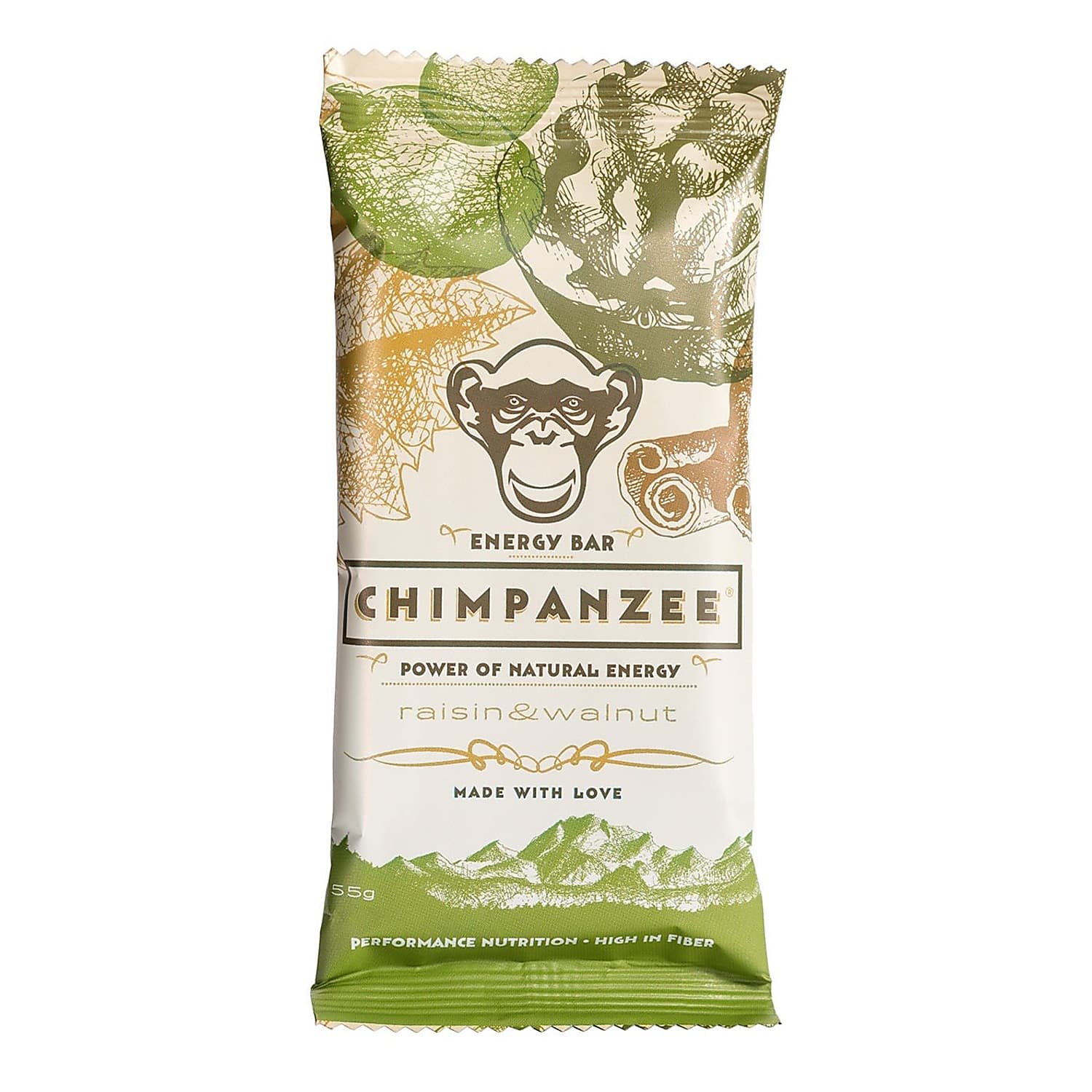
Chimpanzee’s Raisin & Walnut Energy Bar (Czech Republic): An old-fashioned delight full of surprises. Treat yourself to a great-tasting energy bar full of walnut chunks and whole raisins. The Chimpanzee Energy Bar Raisin & Walnut contains protein and fiber and is a great source of natural energy. https://www.chimpanzeebar.com/product-page/raisinwalnut