
Strategies for the Valorization of Date Fruit and Its Co-Products: A New Ingredient in the Development of Value-Added Foods
Date palm trees (Phoenix dactylifera L.) are traditionally cultivated in South-West Asia and North Africa for date fruit consumption, although in recent years, its consumption has increased worldwide, and its cultivation has spread to other areas of America, sub-Saharan Africa, Oceania, and Southern Europe. During date fruit processing, several types of by-products are generated, such as low-quality dates or seeds, which along with date fruit, represent an excellent source of dietary fiber and bioactive compounds such as flavonoids, tannins, carotenoids, tocopherols, and tocotrienols. Therefore, this review provides information on the processing of dates fruit and the value-added by-products generated from them as well as their applications in different types of foods for the development of foods with an enhanced nutritional and functional profile. The incorporation of date fruit and their co-products in food formulations will help to cover the current consumer demands for foods made with ingredients of natural origin and with health properties beyond the merely nutritional. https://doi.org/10.3390/foods12071456

INC Outreach Visit to China
INC co-founder spoke at two major events and toured multiple industrial facilities
The INC traveled to China last month for an outreach visit that included a high-profile presence at two important industry events and tours of multiple industrial facilities. The trip served to consolidate ties with China’s nut and dried fruit industry and cement the INC’s position as the worldwide umbrella organization for the sector.
On April 12, Pino Calcagni, a co-founder of the INC and chair of the Statistics and Sustainability, Scientific & Government Affairs Committees, participated in the China Snacks and Bakery Food Forum, an event held in parallel with the 108th China Food and Drinks Fair in Chengdu. This edition of the China Food and Drinks Fair welcomed approximately 4,000 exhibitors from China and across the globe, making it one of the country’s largest and most influential trade fairs.
Organized by the China Chamber of Commerce for Import and Export of Foodstuffs, Native Produce & Animal By-Products (CCCFNA) the event brought together experts and scholars from across the globe to analyze trends in China’s baking and snack food industry. At the event, Mr. Calcagni delivered a keynote speech before an audience of 250 importers, processors and exporters of nuts. In his talk, Mr. Calcagni provided a statistical overview of global production, trade and consumption, highlighted the INC’s ongoing dissemination campaign targeting Gen Z consumers in China, and encouraged audience members to join the INC and attend the INC Congress in London.
The INC then traveled to Hefei for the 16th Food Exhibition & Conference for China Nuts, Roasted Seeds and Dried Fruits, an event organized by the Specialized Committee for Nuts and Roasted Seeds of the China National Food Industry Association that ran from April 18-22. Before an audience of 550 people, Mr. Calcagni gave a keynote talk and INC Chairman Michael Waring participated remotely via video address. In his remarks, Mr. Waring began by providing an overview of the INC’s mission and main activities and highlighting China’s strength as a producer of tree nuts. He then turned his attention to China’s potential as a market for nuts and dried fruits and described the INC’s efforts to boost consumption in the country.
During the visit, the facilities of two major players in the Chinese market were toured, Three Squirrels and ChaCha, both respected members of the INC. The INC visited the 140,000 m2 Three Squirrels plant in Sichuan province as well as a ChaCha factory in Anhui province. These visits confirmed that the Chinese industry is moving towards higher standards, automation and high-tech equipment. It was also apparent that the major players in the Chinese industry have embraced innovative product concepts such as nut-based drinks, flavored nut kernels, in-shell roasted pine nuts and laser-cut in-shell macadamias.
Mr. Calcagni noted that the Chinese economy is poised for a fundamental transformation of international business over the next decade. Chinese companies are clearly working hard to achieve new targets in industrialization and reach consumers through online methodologies and new models of retail sales. In short, the visit reaffirmed the INC’s pride in its Chinese members and we look forward to welcoming them at the upcoming INC Congress in London.
The INC would like to express their gratitude for the hospitality and welcome shown by all especially thanking INC Board of Trustees members Mr. Cao Derong, Mrs. Chen Ying, Mrs. Christina Qi and Mr. Cheng Hung Kay.
April 2023 News Brief
INC Confirms Speakers for Congress in London
The speaker line-up for the INC Congress in London is shaping up nicely. Our two keynote speakers will be Virginia Stagni, Head of Business Development at the Financial Times, and mountaineer Edurne Pasaban, the first woman to summit all 14 eight-thousanders. The guest speakers at the Nutrition Research Seminar will be Dr. Marta Guasch-Ferré, Associate Professor in the Department of Public Health and Novo Nordisk Foundation Center for Basic Metabolic Research at the University of Copenhagen in Denmark, and Prof. Gideon Lack, Professor of Pediatric Allergy at King’s College London in the United Kingdom. Finally, the guest speaker at the Sustainability Seminar will be Dr. Rachael Garrett, Moran Professor of Conservation and Development at the University of Cambridge in the United Kingdom. For further details, see the INC Congress program.
INC Awards Recognize Excellence in Several Categories
The winners will receive their awards at the INC Congress in London
This year’s Golden Nut Award, the maximum international recognition of excellence in the sector, will be awarded to INC Executive Director Goretti Guasch for her 25 years of service to the industry. The Corporate Golden Nut Award will go to Voicevale, an importer and distributor of nuts, dried fruits, seeds and coffee to industries around the world. The winner of the Award for Excellence in Research is Gideon Lack, Professor of Pediatric Allergy at King’s College London. The Award for Excellence in Gastronomy will go to Michel Roux Jr., chef patron of the iconic two-Michelin-star restaurant Le Gavroche in London. The winner of the Innovation Award will be selected by popular vote at the INC Congress. Finally, the recipient of the Award for Excellence in Sustainability will be chosen by a panel of experts in the field of sustainability and announced at the INC Congress. [Read more]
Announce Your INC Congress Attendance with Style
Share the marketing materials through your social networks!

Let everyone know you're attending the INC Congress London with our awesome new video, countdown and more... Share it on your social media! The video highlights all of the great aspects of the INC Congress and all the posts you will find in this folder are an excellent way to let people know you'll be there! Don't forget to use #NutfruitCongress when you share all the materials on social networks.
Save Your Spot for the Gala Dinner & Ball

The traditional Gala Dinner and Ball will be held in one of London’s most striking venues: the Great Room at JW Marriott Grosvenor House. As ever, we will bid farewell to the INC Congress with delicious food, fine wine and a splendid atmosphere, capped off with an evening of music and dancing. The Gala Dinner & Ball will take place in the Great Room from 6:30 pm – 11:00 pm on May 24, and you MUST reserve your spot. Each table accommodates 10 guests, and will only be confirmed once all 10 names have been received, so please check to make sure none of your guests have already been included in another table reservation. Save your spot for the Gala Dinner. [Reservations are now open!]
INC Outreach Visit to China
INC co-founder spoke at two major events and toured multiple industrial facilities
The INC traveled to China last month for an outreach visit that included a high-profile presence at two important industry events and tours of multiple industrial facilities. The trip served to consolidate ties with China’s nut and dried fruit industry and cement the INC’s position as the worldwide umbrella organization for the sector. On April 12, Pino Calcagni, a co-founder of the INC and chair of the… [Read more]
Two Studies Highlight Benefits of Preloading Major Meals with Almonds
A small premeal serving of almonds may help to delay or control conversion to diabetes
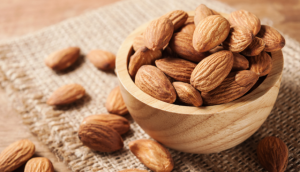
A recent study published in the European Journal of Clinical Nutrition examined whether preloading major meals with almonds would decrease overall glycemia and postprandial hyperglycemia in participants with prediabetes. The study had 60 participants and consisted of two phases: 1) a crossover randomized control study based on an oral glucose tolerance test (OGTT), in which the effect of a single premeal almond load (20 g) given before OGTT was evaluated; and… [Read more]
Regular Walnut Consumption May Improve Sustained Attention, Fluid Intelligence and ADHD Symptoms
Participants with the highest adherence to the intervention saw the most improvement
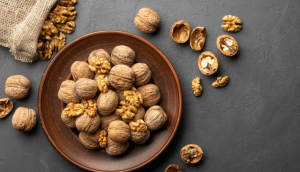
A new study in eClinicalMedicine, a member of the Lancet family of journals, assessed whether walnut consumption has beneficial effects on the neuropsychological and behavioral development of adolescents. A six-month randomized controlled nutrition intervention trial was carried out in 12 high schools in Barcelona, Spain. A total of 771 healthy teenagers between 11 and 16 years of age were randomized into two groups. The intervention group received 30 g/day of raw walnut kernels… [Read more]
Study Identifies Vascular Health Benefits of Peanut Intake
Regular consumption of peanuts and peanut butter could improve vascular biomarkers in healthy young adults
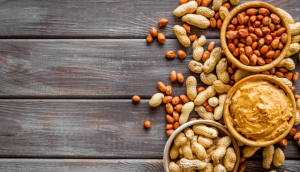
A recent study published in Antioxidants evaluated the association of urinary phenolic metabolites with vascular biomarkers after peanut product consumption. The study was a three-arm parallel-group randomized controlled trial conducted in 63 healthy young adults. Participants were instructed to consume either 25 g/day of skin roasted peanuts, 32 g/day of peanut butter or 32 g/day of a control butter for six months. Urinary phenolic metabolites were analyzed by liquid chromatography… [Read more]
INC Monitors Sustainability News

In the latest INC sustainability update, you can read about the European Union’s proposal for a directive on green claims, the European Commission’s proposal for a regulation on packaging and packaging waste, and the publication of the final part of the Sixth Assessment Report by the Intergovernmental Panel on Climate Change. [Read more]
International Trade News Shared by INC

The INC’s latest trade update covers the agreements signed by Spain and China allowing Spanish almonds to be exported to China, as well as the free trade agreements signed by Costa Rica and Ecuador and by Israel and the United Arab Emirates. [Read more]
INC Compiles Latest Food Safety News

The INC’s latest installment of food safety news includes an update on the Codex Alimentarius, China’s adoption of a new food safety standard and an update on maximum residue levels (MRLs) in the European Union. [Read more]
Labeling Update Shared by INC

The INC’s latest labeling update focuses on a bill introduced in the Italian Parliament on the naming of food products containing vegetable proteins. [Read more]
INC Provides Updates on Marketing Orders
The INC’s latest update on marketing orders includes a rule increasing the assessment rate for California prunes for the 2022-23 crop year and a proposed rule amending Marketing Order No. 984, which regulates the handling of walnuts grown in California. [Read more]
Cranberries for preventing urinary tract infections
Background: Cranberries contain proanthocyanidins (PACs), which inhibit the adherence of p‐fimbriated Escherichia coli to the urothelial cells lining the bladder. Cranberry products have been used widely for several decades to prevent urinary tract infections (UTIs). This is the fifth update of a review first published in 1998 and updated in 2003, 2004, 2008, and 2012. Objectives: To assess the effectiveness of cranberry products in preventing UTIs in susceptible populations. Search methods: We searched the Cochrane Kidney and Transplant Specialized Register up to 13 March 2023 through contact with the Information Specialist using search terms relevant to this review. Studies in the Register are identified through searches of CENTRAL, MEDLINE, and EMBASE, conference proceedings, the International Clinical Trials Register Search Portal (ICTRP) and ClinicalTrials.gov. Selection criteria: All randomized controlled trials (RCTs) or quasi‐RCTs of cranberry products compared with placebo, no specific treatment or other intervention (antibiotics, probiotics) for the prevention of UTIs were included. Data collection and analysis: Two authors independently assessed and extracted data. Information was collected on methods, participants, interventions and outcomes (incidence of symptomatic UTIs, positive culture results, side effects, adherence to therapy). Risk ratios (RR) with 95% confidence intervals (CI) were calculated where appropriate. Study quality was assessed using the Cochrane risk of bias assessment tool. Confidence in the evidence was assessed using the Grading of Recommendations Assessment, Development and Evaluation (GRADE) approach. Main results: For this update 26 new studies were added, bringing the total number of included studies to 50 (8857 randomized participants). The risk of bias for sequence generation and allocation concealment was low for 29 and 28 studies, respectively. Thirty‐six studies were at low risk of performance bias, and 23 studies were at low risk of detection bias. Twenty‐seven, 41, and 17 studies were at low risk of attrition bias, reporting bias and other bias, respectively. Forty‐five studies compared cranberry products with placebo or no specific treatment in six different groups of participants. Twenty‐six of these 45 studies could be meta‐analyzed for the outcome of symptomatic, culture‐verified UTIs. In moderate certainty evidence, cranberry products reduced the risk of UTIs (6211 participants: RR 0.70, 95% CI 0.58 to 0.84; I² = 69%). When studies were divided into groups according to the treatment indication, cranberry products probably reduced the risk of symptomatic, culture‐verified UTIs in women with recurrent UTIs (8 studies, 1555 participants: RR 0.74, 95% CI 0.55 to 0.99; I² = 54%), in children (5 studies, 504 participants: RR 0.46, 95% CI 0.32 to 0.68; I² = 21%) and in people with a susceptibility to UTIs due to an intervention (6 studies, 1434 participants: RR 0.47, 95% CI 0.37 to 0.61; I² = 0%). However, in low certainty evidence, there may be little or no benefit in elderly institutionalized men and women (3 studies, 1489 participants: RR 0.93, 95% CI 0.67 to 1.30; I² = 9%), pregnant women (3 studies, 765 participants: RR 1.06, 95% CI 0.75 to 1.50; I² = 3%), or adults with neuromuscular bladder dysfunction with incomplete bladder emptying (3 studies, 464 participants: RR 0.97, 95% CI 0.78 to 1.19; I² = 0%). Other comparisons were cranberry products with probiotics (three studies) or antibiotics (six studies), cranberry tablets with cranberry liquid (one study), and different doses of PACs (two studies). Compared to antibiotics, cranberry products may make little or no difference to the risk of symptomatic, culture‐verified UTIs (2 studies, 385 participants: RR 1.03, 95% CI 0.80 to 1.33; I² = 0%) or the risk of clinical symptoms without culture (2 studies, 336 participants: RR 1.30, 95% CI 0.79 to 2.14; I² = 68%). Compared to probiotics, cranberry products may reduce the risk of symptomatic, culture‐verified UTIs (3 studies, 215 participants: RR 0.39, 95% CI 0.27 to 0.56; I = 0%). It is unclear whether efficacy differs between cranberry juice and tablets or between different doses of PACs as the certainty of the evidence was very low. The number of participants with gastrointestinal side effects probably does not differ between those taking cranberry products and those receiving placebo or no specific treatment (10 studies, 2166 participants: RR 1.33, 95% CI 1.00 to 1.77; I² = 0%; moderate certainty evidence). There was no clear relationship between compliance with therapy and the risk for repeat UTIs. No difference in the risk for UTIs could be demonstrated between low, moderate and high doses of PACs. https://doi.org/10.1002/14651858.cd001321.pub6
Composition of Nuts and Their Potential Health Benefits—An Overview.
The possibility that nuts intake may defend human health is an interesting point of view and has been investigated worldwide. Consequently, nuts are commonly promoted as healthy. In recent decades, the number of investigations proposing a correlation between nut consumption and a decrease in the risk of key chronic diseases has continued to increase. Nuts are a source of intake of fiber, and dietary fiber is associated with a reduced occurrence of obesity and cardiovascular diseases. Nuts likewise provide minerals and vitamins to the diet and supply phytochemicals that function as antioxidant, anti-inflammatory, and phytoestrogens agents and other protective mechanisms. Therefore, the main goal of this overview is to summarize current information and to describe the utmost new investigation concerning the health benefits of certain nuts. https://doi.org/10.3390/foods12050942
Dietary intake of pistachios or mixed nuts results in higher systemic antioxidant capacity with minimal effects on bone in adolescent male rats.
Nutrition is a key determinant of bone health and attainment of peak bone mass. Excess oxidative stress induces bone loss while increasing antioxidant capacity promotes protective effects on bone. Nuts are rich in antioxidants; therefore, we tested the hypothesis that compared to a control diet high in fat (40 % energy) and cholesterol, diets containing isocaloric amounts of pistachios (8·1 % g/g) or mixed nuts (7·5 % g/g) for 8 weeks would result in greater bone health in male adolescent (3 weeks; a state of continued skeletal growth) Sprague-Dawley rats. We found no difference in bone mechanical properties among groups. Tibial apparent density was ~5 % higher in the pistachio and mixed nuts groups v. control (P < 0·05) with no clear difference detected for the femur. Expressions of genes known to impact bone turnover and serum bone turnover biomarkers were unaffected by either diet relative to control. Serum antioxidant capacity was ~2-fold higher in the pistachio and mixed nuts groups compared with control (P < 0·05) but were similar between groups. Therefore, pistachios and mixed nuts may increase tibial density, in part, due to increasing antioxidant capacity. Longer dietary interventions may be necessary to elicit detectable changes in other bones (e.g. femur) and to detect potential mechanisms for the possible bone protective effects of nuts. https://doi.org/10.1017/jns.2022.121
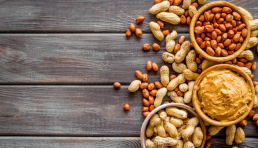
Study Identifies Vascular Health Benefits of Peanut Intake
Regular consumption of peanuts and peanut butter could improve vascular biomarkers in healthy young adults
A recent study published in Antioxidants evaluated the association of urinary phenolic metabolites with vascular biomarkers after peanut product consumption.
The study was a three-arm parallel-group randomized controlled trial conducted in 63 healthy young adults. Participants were instructed to consume either 25 g/day of skin roasted peanuts, 32 g/day of peanut butter or 32 g/day of a control butter for six months. Urinary phenolic metabolites were analyzed by liquid chromatography coupled to mass spectrometry and urinary eicosanoids —prostacyclin I2 (PGI2) and thromboxane A2 (TXA2)— were determined using two competitive enzyme-linked immunosorbent assay kits.
Consumers of skin roasted peanuts and peanut butter presented significantly higher excretion of urinary phenolic metabolites in comparison with the control group. An improvement in PGI2 levels and the TXA2: PGI2 ratio was also observed after the peanut interventions compared to the control group. Urinary phenolic metabolites with significantly higher post-intervention levels were correlated with an improvement in vascular biomarkers.
These findings suggest that urinary phenolic metabolites with higher excretion after peanut product consumption could have a positive impact on vascular health. The study shows for the first time that regular peanut and peanut butter consumption could have a positive impact on vascular biomarkers in healthy young adults.
This study was supported by funding from the Peanut Institute.
Parilli-Moser, I., Domínguez-López, I., Vallverdú-Queralt, A. et al. (2023). Urinary Phenolic Metabolites Associated with Peanut Consumption May Have a Beneficial Impact on Vascular Health Biomarkers. Antioxidants. 2023; 12(3):698.

Regular Walnut Consumption May Improve Sustained Attention, Fluid Intelligence and ADHD Symptoms
Participants with the highest adherence to the intervention saw the most improvement
A new study in eClinicalMedicine, a member of the Lancet family of journals, assessed whether walnut consumption has beneficial effects on the neuropsychological and behavioral development of adolescents.
A six-month randomized controlled nutrition intervention trial was carried out in 12 high schools in Barcelona, Spain. A total of 771 healthy teenagers between 11 and 16 years of age were randomized into two groups. The intervention group received 30 g/day of raw walnut kernels to be incorporated into their diet for six months, while the control group followed their usual diet. Primary endpoints concerning neuropsychological development (working memory, attention, fluid intelligence and executive function) and behavioral development (socio-emotional and attention deficit hyperactivity disorder symptoms) were assessed at baseline and after the intervention. Levels of red blood cell alpha-linolenic acid —an omega-3 fatty acid found in walnuts— were determined at baseline and six months as a measure of compliance.
Although there were no statistically significant differences between the intervention and control groups in intention-to-treat analyses, there were differences in adherence-adjusted analyses. In other words, although being prescribed eating walnuts for six months did not improve neuropsychological function, a number of improvements —including in sustained attention, fluid intelligence and attention deficit hyperactivity disorder symptoms— were observed in the participants who better complied with the walnut intervention. This study provides valuable insights and a basis for future scientific research on the effect of walnuts on adolescent brain development.
The California Walnut Commission (CWC) supported this study by supplying the walnuts for free.
Pinar-Martí, A., Gignac, F., Fernández-Barrés, S. et al. (2023). Effect of walnut consumption on neuropsychological development in healthy adolescents: a multi-school randomised controlled trial. EClinicalMedicine, 59, 101954.
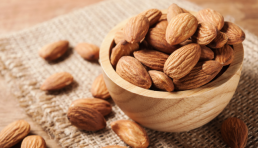
Two Studies Highlight Benefits of Preloading Major Meals with Almonds
A small premeal serving of almonds may help to delay or control conversion to diabetes
A recent study published in the European Journal of Clinical Nutrition examined whether preloading major meals with almonds would decrease overall glycemia and postprandial hyperglycemia in participants with prediabetes.
The study had 60 participants and consisted of two phases: 1) a crossover randomized control study based on an oral glucose tolerance test (OGTT), in which the effect of a single premeal almond load (20 g) given before OGTT was evaluated; and 2) a three-day study based on a continuous glucose monitoring system (CGMS) that included premeal almond loads before three major meals. The second phase was a free-living, crossover randomized control trial.
The findings showed that adopting a simple change—eating 20 g of almonds 30 minutes before each major meal— led to a significant decrease in postprandial blood glucose, insulin, C-peptide and glucagon levels and improved glycemic variability and glycemic control. Adopting such strategies to manage hyperglycemia, especially in a prediabetes state, can be helpful in delaying or controlling conversion to diabetes.
A different study, published in Clinical Nutrition ESPEN, evaluated the effect of a 20 g almond load 30 minutes before major meals on anthropometric, glycemic and metabolic parameters. This three-month, free-living randomized controlled open-label parallel arm study involved 66 participants with prediabetes in the age range of 18-60 years.
The findings showed that preloading major meals with almonds leads to significant improvement in body weight, waist circumference, glycemia and insulin resistance and shows potential for reversal of prediabetes to normal glucose regulation over three months.
Gulati, S., Misra, A., Tiwari, R. et al. (2023). Beneficial effects of premeal almond load on glucose profile on oral glucose tolerance and continuous glucose monitoring: randomized crossover trials in Asian Indians with prediabetes. European Journal of Clinical Nutrition, 10.1038/s41430-023-01263-1. Advance online publication.
Gulati, S., Misra, A., Tiwari, R. et al. (2023). Premeal almond load decreases postprandial glycaemia, adiposity and reversed prediabetes to normoglycemia: A randomized controlled trial. Clinical Nutrition ESPEN, 54, 12–22.
Expression, purification, characterization, and patient IgE reactivity of new macadamia nut iso-allergen.
Structural and functional information about food allergens is essential for understanding the allergenicity of food proteins. All allergens belong to a small number of protein families. Various allergens from different families have been successfully produced recombinantly in E. coli for their characterization and applications in allergy diagnosis and treatment. However, recombinant hexameric 11S seed storage protein has not been reported, although numerous 11S legumins are known to be food allergens, including the recently identified macadamia nut allergen Mac i 2. Here we report the production of a macadamia nut legumin by expressing it in E. coli with a substrate site of HRV 3C protease and cleaving the purified protein with HRV 3C protease. The protease divided the protein into two chains and left a native terminus for the C-terminal chain, resulting in a recombinant hexameric 11S allergen for the first time after the residues upstream to the cleavage site flipped out of the way of the trimer-trimer interaction. The 11S allergens are known to have multiple isoforms in many species. The present study removed an obstacle in obtaining homogeneous allergens needed for studying allergens and mitigating allergenicity. Immunoreactivity of the protein with serum IgE confirmed it to be a new isoform of Mac i 2. https://doi.org/10.1016/j.pep.2022.106211