
The State of Food and Agriculture 2022. Leveraging automation in agriculture for transforming agrifood systems
Automation has been shaping world agriculture since the early twentieth century. Motorized mechanization has brought significant benefits in terms of improved productivity, reduced drudgery and more efficient allocation of labour, but also some negative environmental impacts. More recently, a new generation of digital agricultural automation technologies has appeared, with the potential to further enhance productivity, as well as resilience, while also addressing the environmental sustainability challenges driven by past mechanization. The State of Food and Agriculture 2022 looks into the drivers of agricultural automation, including the more recent digital technologies. Based on 27 case studies, the report analyses the business case for adoption of digital automation technologies in different agricultural production systems across the world. It identifies several barriers preventing inclusive adoption of these technologies, particularly by small-scale producers. Key barriers are low digital literacy and lack of an enabling infrastructure, such as connectivity and access to electricity, in addition to financial constraints. Based on the analysis, the publication suggests policies to ensure that disadvantaged groups in developing regions can benefit from agricultural automation and that automation contributes to sustainable and resilient agrifood systems. https://doi.org/10.4060/cb9479en

Forest-based adaptation: transformational adaptation through forests and trees.
Forest-based adaptation is an ensemble of climate actions that employ forests and trees in support of climate change adaptation and resilience, including sustainable forest management, forest conservation and restoration, reforestation and afforestation. Forest-based adaptation can help address the gaps between current adaptation actions and the adaptation needed for reducing climate-related risks and impacts, while contributing to most of the Sustainable Development Goals and promoting strong synergies with mitigation. This FAO technical paper unpacks the concept of forest-based adaptation and describes policy spheres that could bolster the role of forests and trees in providing adaptation and resilience benefits. It introduces a set of ten principles for using forests and trees to promote transformational adaptation, which were developed with leading experts from the Center for International Forestry Research and World Agroforestry (CIFOR-ICRAF) and other partners. It describes the policy implications of each principle and draws on examples from diverse forest ecosystems and management practices to illustrate their application in practice. https://doi.org/10.4060/cc2886en
Water provisioning increases caged worker bee lifespan and caged worker bees are living half as long as observed 50 years ago.
The high loss rates of honey bee colonies drive research for solutions aimed to mitigate these losses. While honey bee colonies are superorganisms, experiments that measure the response to stressors often use caged individuals to allow for inference in a controlled setting. In an initial experiment, we showed that caged honey bees provisioned with various types of water (deionized, 1%NaCl in deionized, or tap) have greater median lifespans than those that did not. While researching the history of water provisioning in cage studies, we observed that the median lifespan of caged honey bees has been declining in the US since the 1970’s, from an average of 34.3 days to 17.7 days. In response to this, we again turned to historical record and found a relationship between this trend and a decline in the average amount of honey produced per colony per year in the US over the last 5 decades. To understand the relationship between individual bee lifespan and colony success we used an established honey bee population model (BEEHAVE) to simulate the predicted effects of decreased worker lifespans. Declines in downstream measures of colony population, overall honey production, and colony lifespan resulted from reduced worker bee lifespans. Modeled colony lifespans allowed us to estimate colony loss rates in a beekeeping operation where lost colonies are replaced annually. Resulting loss rates were reflective of what beekeepers’ experience today, which suggests the average lifespan of individual bees plays an important role in colony success. https://doi.org/10.1038/s41598-022-21401-2
Mixed Tree Nuts, Cognition, and Gut Microbiota: A 4-Week, Placebo-Controlled, Randomized Crossover Trial in Healthy Nonelderly Adults.
November 2022 News Brief
Check out the Highlight Video from SIAL

The INC Pavilion at SIAL Paris 2022 was undoubtedly a success, transforming into the heart and center of the nut and dried fruit industry. The pavilion served as a meeting point for INC Members and the co-exhibitors were able to grow their business with new contacts through high visibility. The INC Cocktail which took place on October 16 was the best place to meet the industry in a relaxed atmosphere. Check out the highlight video and pictures! [Highlight Video] [Pictures]
NUTS 2022 Highlights the Importance of Increasing Consumption
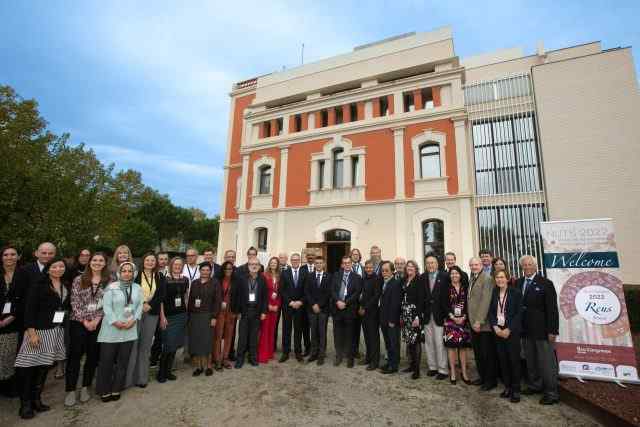
The NUTS 2022 event, held from October 20-21 at the INC headquarters served as a central meeting point for the world's top researchers regarding the health benefits of nuts and dried fruits. Key takeaways from the meeting include the need to increase the consumption of nuts and dried fruits worldwide to better public health, and the need to be able to accurately share the health message with consumers. The INC has invested in spreading the message from NUTS 2022 to a worldwide audience with press releases translated into Spanish, Chinese, Hindi, and other key market languages. Check out the images! [Pictures] [Read more]
Enroll in the INC Academia with Early Bird Rates until December 15
 As the year winds down, take advantage of the Early Bird Rates for the INC Academia before December 15 and enroll yourself or your team in the industry's premier educational program. INC Members will receive a special 20% discount, so don't miss this fantastic opportunity to increase your or your team's knowledge of the nut and dried fruit industry! The INC Academia offers premium online programs on the basics of the industry, as well as more advanced topics. If you have employees new to the industry or an experienced team, there is always something to learn with the INC Academia! Plus, as INC Members, you can partake in the Full Advanced Program which includes an On-Site portion for hands-on learning and networking! [More Information]
Gulfood 2023 Enables INC to Bring the Industry Together in Dubai
 The INC Pavilion is scheduled to come to Dubai at Gulfood from February 20-24, 2023. This will be the sixth edition of the INC Pavilion in the Middle East and with more than 4,000 companies from over 125 countries, Gulfood represents one of the best opportunities to connect with business partners from all over the globe. The INC will host 18 co-exhibitors and serve as a central meeting point for the entire nut and dried fruit industry. Co-exhibitors will be able to take advantage of the good location and foot traffic of the INC Pavilion to improve their brand visibility. Don't forget to come and say hello! [More information]
62nd International Dried Grape Conference
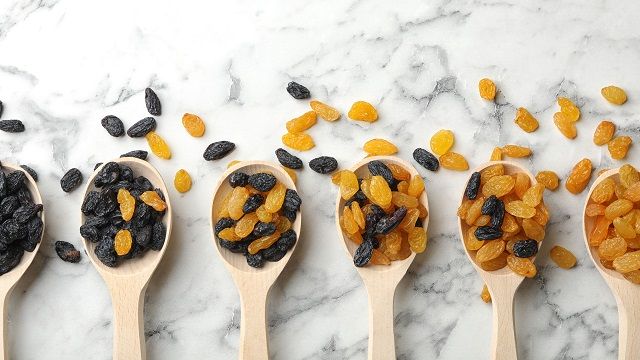 Delegations from Argentina, Australia, Chile, Greece, Iran, South Africa, Türkiye, and the United States participated in the third online meeting of the International Seedless Dried Grape Producing Countries Conference. The statistical analysis undertaken at the Conference showed that the total availability of Thompson Seedless Raisin and Sultanas, decreased by 7% as world stocks carried into the new season and new crop production dropped. This was mainly driven by adverse weather conditions across various production origins. [Read more]
Dates Global Statistical Review
The global cli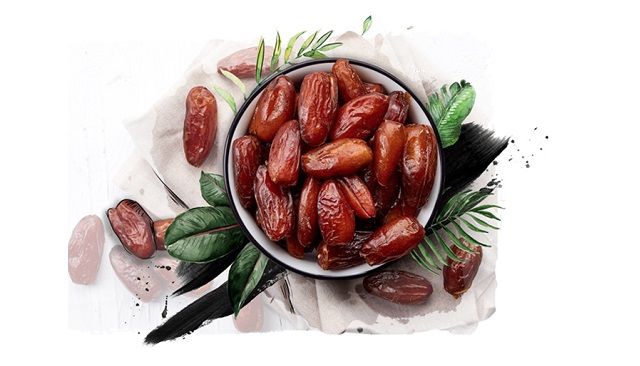 matic conditions –mostly high temperatures– have had an impact on the 2022/23 date production. However, world production has remained practically stable, owing to the gradual entering into production of the new plantations that were carried out in the majority of the producing countries. Exporters are preparing to meet the needs for the period of large consumption of table dates: the end-of-year celebrations for the Mediterranean countries of southern Europe and Ramadan for South-East Asia. [Read more]
Prunes Global Statistical Review
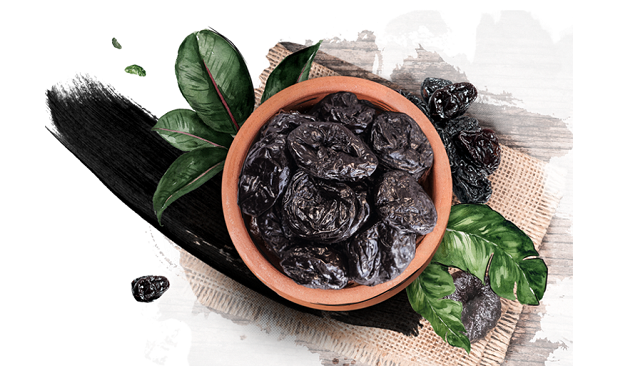 As reported by the California Prune Board, this year’s growing season, farmers have managed to navigate the challenges of early frosts and multiple heat waves. As harvest grew near, it was apparent the weather had taken some toll on overall tonnage, albeit a good crop with above-average sugars and excellent dry ratios. At the time of this writing, this year’s crop was estimated at ~62,000 MT. Supplies continue to be tight as strong demand outpaces production and the global industry finds itself in relative balance compared to a few years ago. [Read more]
The Impact of Nut Consumption on Adolescents’ Academic Performance
Th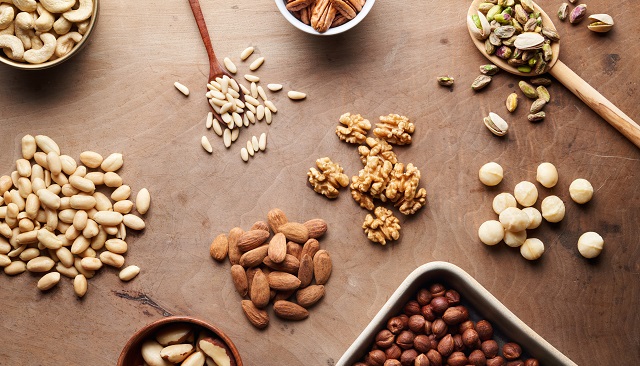 ere is strong scientific evidence that regular nut intake is associated with several health benefits in adults, such as a reduced risk of cardiovascular diseases, obesity, hypertension, and diabetes, among other health conditions. These benefits have been attributed to their particular nutritional composition, as nuts are nutrient and energy-dense foods, sources of essential nutrients and bioactive compounds, such as ‘healthy’ fats, plant protein, fiber, vitamins, minerals and antioxidant molecules. [Read more]
Nut Consumption and Cardiovascular Health in Young Adults

A study has been published in the journal Nutrition, Metabolism and Cardiovascular Diseases, that examines the long-term association of walnut, other nut, and no nut consumption with cardiovascular disease (CVD). The researchers analyzed a total of 3,092 young adults who were enrolled in the Coronary Artery Risk Development in Young Adults (CARDIA) study. In the CARDIA study, dietary intake including walnuts and other nuts was assessed 3 times over 20 years and CVD risk factors were also...[Read more]
Peanuts May Help Improve Gut Health
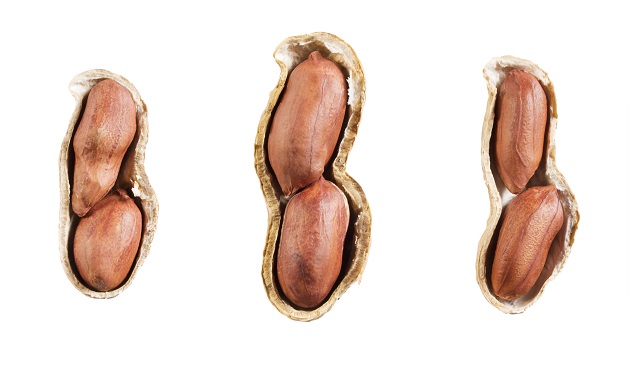
The journal, Clinical Nutrition has published a study that examined how peanuts as a nighttime snack may be beneficial to gut health. While tree nuts influence gut microbiota composition, the effect of peanut consumption had not been investigated yet. The aim of the study was to analyze the effect of consuming 28 g/d of peanuts for 6 weeks, compared to an isocaloric lower-fat higher-carbohydrate (LFHC) snack on the gut microbiota composition [Read more]
The Effect of Walnut Consumption on Lipids
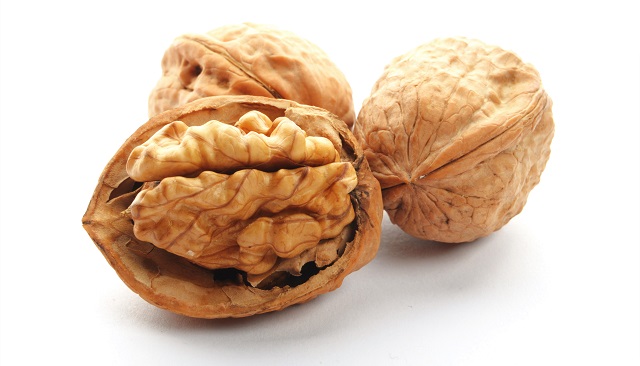 A recently published study in Nutrients aimed to see how walnut consumption affects the lipid profile of consumers. A systematic review and meta-analysis of randomized controlled trials from 2010 to 2022 were conducted by researchers in order to look at how walnut consumption affects the lipid profile. In total, 13 trials from the US, Europe, and Asia were included in the study. The results showed that walnut consumption was associated with a significant reduction in...[Read more]
INC Shares Latest Sustainability News
 The INC’s latest sustainability update covers the FAO’s most recent session of the Committee on Forestry, an FAO report on the role of governments in halting deforestation, the Green Partnership between the European Union and Morocco, and the European Commission's work program for 2023. Moreover, the update discusses a new sustainability standard for prunes in Chile, an effort by the Global Reporting Initiative (GRI) to reach organizations in China with a Chinese language version, and an EU resolution stating that free trade agreements involving the Union should respect environmental, labor, and human rights.[Read more]
International Trade News Monitored by INC
 See the most recent updates on international trade with information on a free trade agreement between Cambodia and the Republic of Korea, the official start of a framework agreement between the European Union and Australia, and the addition of 44 pine nut geographical indications to the Annexes 10-A and 10-B of the free trade agreement between the European Union and Korea. Furthermore, read about a USDA GAIN report on recently made updates by the GACC to the list of products subject to Decree 248 for select food product imports into China. [Read more]
Food Safety Updates Gathered by INC
 In the INC’s food safety update for November, you can read about an update to the Codex Alimentarius General Standard for Food Additives, the World Health Organization’s Global Strategy for Food Safety 2022-2030, discussions on extending the use of glyphosate in the EU, and regulation from the EU regarding walnuts originating in Moldova to longer be considered high-risk plants. Moreover, China’s National Health Commission has released an updated Catalogue of National Food Safety Standards, [Read more]
Labeling Updates and Marketing Orders Shared by INC
 For labeling updates, see information on how South Africa has notified the World Trade Organization on new proposed regulations to set minimum quality standards for the grading of dried fruit. Regarding marketing orders, the INC has shared a new proposed rule by the U.S. Department of Agriculture for amendments to Marketing Order 984 which regulates the handling of walnuts grown in California. [Read Labeling Updates] [Read Marketing Orders]
62nd International Dried Grape Conference
Delegations from Argentina, Australia, Chile, Greece, Iran, South Africa, Türkiye, and the United States participated in the third online meeting of the International Seedless Dried Grape Producing Countries Conference.
Mr. Osman Oz from Türkiye was elected chairman, Mr. Mark King from Australia was elected deputy chairman, and Mrs. Ece Tırkaz from Türkiye was elected secretary respectively for the conference.
The statistical analysis undertaken at the Conference showed that the total availability of Thompson Seedless Raisin and Sultanas, decreased by 7% as world stocks carried into the new season and new crop production dropped. This was mainly driven by adverse weather conditions across various production origins.
Carryover stocks are down 27.75%, but it will be possible to supply normal market demands. Regarding the supply situation for currants, it was noted that 20.000 tons of Greek crop currants is expected. And total supply of Greek currants will be 22.500 with 2.500 carryover stock.
It was confirmed that the next conference will be held in Türkiye, October 13-14, 2023.
See the Press Release and the 2022 Seedless Dried Grape Production Estimates
Novel peanut-specific human IgE monoclonal antibodies enable screens for inhibitors of the effector phase in food allergy.
Background: 10% of US residents have food allergies, including 2% with peanut allergy. Mast cell mediators released during the allergy effector phase drive allergic reactions. Therefore, targeting sensitized mast cells may prevent food allergy symptoms. Objective: We used novel, human, allergen-specific, IgE monoclonal antibodies (mAbs) created using human hybridoma techniques to design an in vitro system to evaluate potential therapeutics targeting sensitized effector cells. Methods: Two human IgE mAbs specific for peanut, generated through human hybridoma techniques, were used to sensitize rat basophilic leukemia (RBL) SX-38 cells expressing the human IgE receptor (FcϵRI). Beta-hexosaminidase release (a marker of degranulation), cytokine production, and phosphorylation of signal transduction proteins downstream of FcϵRI were measured after stimulation with peanut. Degranulation was also measured after engaging inhibitory receptors CD300a and Siglec-8. Results: Peanut-specific human IgE mAbs bound FcϵRI, triggering degranulation after stimulation with peanut in RBL SX-38 cells. Sensitized RBL SX-38 cells stimulated with peanut increased levels of phosphorylated SYK and ERK, signal transduction proteins downstream of FcϵRI. Engaging inhibitory cell surface receptors CD300a or Siglec-8 blunted peanut-specific activation. Conclusion: Allergen-specific human IgE mAbs, expressed from human hybridomas and specific for a clinically relevant food allergen, passively sensitize allergy effector cells central to the in vitro models of the effector phase of food allergy. Peanut reproducibly activates and induces degranulation of RBL SX-38 cells sensitized with peanut-specific human IgE mAbs. This system provides a unique screening tool to assess the efficacy of therapeutics that target allergy effector cells and inhibit food allergen-induced effector cell activation. https://doi.org/10.3389/fimmu.2022.974374
Cytometric analysis reveals an association between allergen-responsive natural killer cells and human peanut allergy.
Food allergies are a leading cause of anaphylaxis, and allergen-specific immune responses in both the innate and the adaptive immune system play key roles in its pathogenesis. We conducted a comprehensive phenotypic and functional investigation of immune cell responses from nonallergic (NA) and peanut allergic (PA) participants cultured with media alone or peanut protein and found, surprisingly, that NK cell activation was strongly associated with the immune response to allergen in PA participants. Peanut-responsive NK cells manifested a distinct expression pattern in PA participants compared with NA participants. Allergen-activated NK cells expressed both Th2 and immune regulatory cytokines, hinting at a potential functional role in mediating and regulating the Th2 allergic response. Depletion of CD3+ T cells attenuated the response of NK cells to peanut-allergen stimulation, suggesting that peanut-responsive NK cells are T cell dependent. We also showed that oral immune therapy was associated with decreased NK responses to peanut allergen stimulation in vitro. These results demonstrate that NK cells are associated with the food-allergic immune response, and the magnitude of this mobilized cell population suggests that they play a functional role in allergic immunity. https://doi.org/10.1172/JCI157962
Macadamia nut-specific IgE levels for predicting anaphylaxis.
Background: Despite the high risk of anaphylaxis in patients with a macadamia nut allergy (MdA), little is known about the significance of macadamia nut-specific immunoglobulin E (Md-sIgE). Thus, this study aimed to investigate the utility of Md-sIgE for predicting anaphylaxis. Methods: Children with suspected MdA who visited our hospital were included. MdA was defined as either failing the 3-g macadamia nut (Md) oral food challenge (OFC) or confirming obvious immediate symptoms following Md ingestion. Non-MdA was defined as passing the 3-g Md OFC. Results: A total of 41 children (29 [71%] males) with a median age of 7.7 years were included. The median Md-sIgE level was 2.23 kUA /L. Among the 21 children diagnosed with MdA, eight and 13 children did (An group) and did not (non-An group) develop anaphylaxis. Twenty children were included in the non-MdA group. The Md-sIgE level was significantly higher in the An group relative to the others (7.97 vs. 1.92 kUA /L, p < .001). Furthermore, the Md-sIgE level was significantly higher in the An group than in the non-An group (7.97 vs. 1.92 kUA /L, p = .02). However, there was no significant difference in the Md-sIgE between the non-An and non-MdA groups (1.92 vs. 1.90 kUA /L, p > .99). The area under the curve for predicting anaphylaxis in Md-sIgE was 0.92 (95% CI: 0.83-1.00), and the optimal cut-off value was 3.76 kUA /L. Conclusion: Md-sIgE levels were useful in predicting anaphylaxis. Above the cut-off value, we emphasize paying careful attention to the risk of anaphylaxis. https://doi.org/10.1111/pai.13852
INFOGEST Digestion Assay of Raw and Roasted Hazelnuts and Its Impact on Allergens and Their IgE Binding Activity.
Most of the food allergens sensitized via the gastrointestinal tract resist thermal treatments and digestion, particularly digestion by pepsin. Roasted hazelnuts are more commonly consumed than raw ones. Since no studies have characterized gastric digestion protein fragments of raw and roasted hazelnuts nor their IgE binding properties, we compared these aspects of raw and roasted hazelnuts' gastric digesta obtained by INFOGEST protocol. Their electrophoretically resolved profiles were probed with hazelnut allergic patients' sera in 1D and 2D immunoblots. Electrophoretic profiles demonstrated pepsin digestion of all hazelnut allergens to varying extents. While 2D immunoblots indicated that roasting slightly reduced allergenicity, IgE ELISA with the pool of sera showed a slight significant (10%) increase in IgE binding in both gastric digesta. Cor a 9 isolated from the raw and roasted hazelnuts, characterized by far and near CD, remained stable after roasting, with preserved IgE reactivity. Its immunoreactivity contribution by inhibitory ELISA was noticeable in raw and roasted hazelnut digesta; its activity was slightly stronger in the roasted preparations. Roasting has a visible impact on proteins; however, it did not affect overall IgE reactivity. Gastric digestion slightly increases the overall IgE reactivity in raw and roasted hazelnuts, and may therefore impact the profiles of allergens and their fragments available to interact with the immune system in the small intestine. https://doi.org/10.3390/foods11182914