
Salinity of irrigation water selects distinct bacterial communities associated with date palm (Phoenix dactylifera L.) root.
Saline water irrigation has been used in date palm (Phoenix dactylifera L.) agriculture as an alternative to non-saline water due to water scarcity in hyper-arid environments. However, the knowledge pertaining to saline water irrigation impact on the root-associated bacterial communities of arid agroecosystems is scarce. In this study, we investigated the effect of irrigation sources (non-saline freshwater vs saline groundwater) on date palm root-associated bacterial communities using 16S rDNA metabarcoding. The bacterial richness, Shannon diversity and evenness didn't differ significantly between the irrigation sources. Soil electrical conductivity (EC) and irrigation water pH were negatively related to Shannon diversity and evenness respectively, while soil organic matter displayed a positive correlation with Shannon diversity. 40.5% of total Operational Taxonomic Units were unique to non-saline freshwater irrigation, while 26% were unique to saline groundwater irrigation. The multivariate analyses displayed strong structuring of bacterial communities according to irrigation sources, and both soil EC and irrigation water pH were the major factors affecting bacterial communities. The genera Bacillus, Micromonospora and Mycobacterium were dominated while saline water irrigation whereas contrasting pattern was observed for Rhizobium, Streptomyces and Acidibacter. Taken together, we suggest that date-palm roots select specific bacterial taxa under saline groundwater irrigation, which possibly help in alleviating salinity stress and promote growth of the host plant. https://doi.org/10.1038/s41598-022-16869-x

October 2022 News Brief
INC Reaches Chinese Consumers with Dissemination Plan

In July the INC launched its multi-country campaign kicking off with China. The campaign is focused on targeting a Gen-Z audience and is run across China's most popular social networks WeChat, Weibo, and Douyin (TikTok) as well as counting on the impact of KOLs (influencers). To date, the campaign has reached over 4 million Gen-Zs in China and is set to reach over 20 million in the coming months. On TikTok, videos have gained nearly half a million plays and generated a number of comments asking about nuts and dried fruits. As of today, KOLs have also joined the campaign reaching over 2 million people and gaining many interactions (likes, comments, and shares) on their posts. The campaign will continue into next year sharing consumption moments, health benefits and debunking myths about nuts and dried fruits all with the aim to help boost consumption.
Another Successful INC Pavilion at SIAL Wraps Up

The INC has officially returned from SIAL Paris, and the pavilion was without a doubt a major success, bringing together the global nut and dried fruit industry under the INC umbrella. Co-exhibitors were able to connect with new and existing clients alike and take advantage of everything that the INC Pavilion has to offer. Moreover, the Cocktail on Sunday, October 16 created an excellent relaxed environment for co-exhibitors and INC Members to do business and network. [Pictures] [Video]
INC Hosts NUTS 2022 at Headquarters
 From October 20-21, 2022, the world’s leading researchers gathered for NUTS 2022 to discuss the current and future of health research on nuts and dried fruits. It took place in Reus, Spain, at the Headquarters of the International Nut and Dried Fruit Council (INC). Chaired by Prof. Jordi Salas-Salvadó, Chairman of the INC World Forum for Nutrition Research and Dissemination and Distinguished Professor of Nutrition and ICREA-Acadèmia Researcher at Universitat Rovira i Virgili, NUTS 2022 is a historic gathering of the brightest minds in the field of nutrition research on nuts and dried fruits. This event is designed to summarize all of the current evidence related to the health benefits of nuts and dried fruits, and then take a look toward the future by defining gaps, topics, needs, and opportunities for research. [Read more]
INC Launches New Industry Website
 The INC website helps build our brand and with a new design, it becomes more user-friendly and provides a clearer picture of the INC. The new website features an updated menu showcasing the INC's activities, a restructuring of key content exclusive to members, and a more operational members area where you can find all your usual content. And don't forget to reset your password to access the member's area of the new web! Visit the INC web now! [New Website]
INC Funded Health Study Published
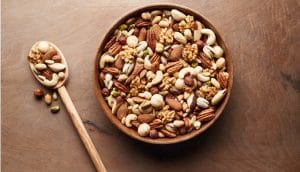 We are pleased to announce that an INC-funded study, ‘Effects of daily tree nut consumption on cognitive function, metabolomics and intestinal microbiota’ has been published in the Journal of Nutrition. This research was one of the recipients of the 2017 INC Call for Research Projects. The study showed that after 4 weeks of consumption of nuts in healthy adults, there are positive effects on cognitive function as well as microbial taxa associated with gut health. [See Study]
INC Shares Update on Almond Crops
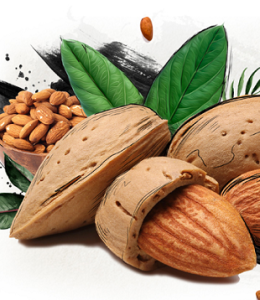 The second Almond Board of California Position Report of the 2022/23 crop year (August 2022-July 2023) showed receipts of 978.5 million pounds (approx. 443,850 metric tons) of kernel weight through September 30, 2022, 8% lower than in 2021. Shipments were strong in August while in September, total shipments lagged as compared to 2021. Export shipments in September amounted to about 137 million lbs. (≈62,000 MT), down 16% from the prior year. On a year-to-date basis, helped by the August record, exports added up to nearly 300 million lbs. (≈136,000 MT) through September, just about -1.6% vs. 2021. Domestic shipments in September (52 million lbs./23,500 MT) were down 19% and below 10% YTD (117 million lbs./53,000 MT) vs. 2021. [Read more]
Update on Pistachio Crops Disseminated by the INC
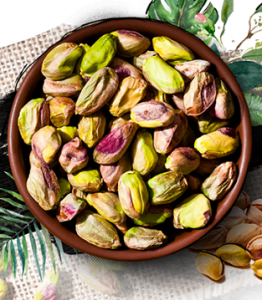 As the California 2022/23 harvest was ramping up towards the end, early indications were projecting a smaller crop of around 363-409,000 metric tons (800-900 million pounds). High heat and drought conditions are expected to negatively impact quality, with harvest indicating increased closed shells and additional staining. Global demand is anticipated to remain strong, with US shipments the past crop year over 379,000 MT (837 million lbs.) driven by strong exports, a 17% increase from the year before. As reported by the Iran Pistachio Association, the 2022 pre‐harvest forecast amounted to 115,000 MT of dried in‐shell pistachios. Total exports for the 2021/22 marketing year stood at 105,000 MT (in-shell equivalent), 31% below the past four years average, and accounted for 75% of the marketable inventory. [Read more]
INC Highlights Walnut Crop Update
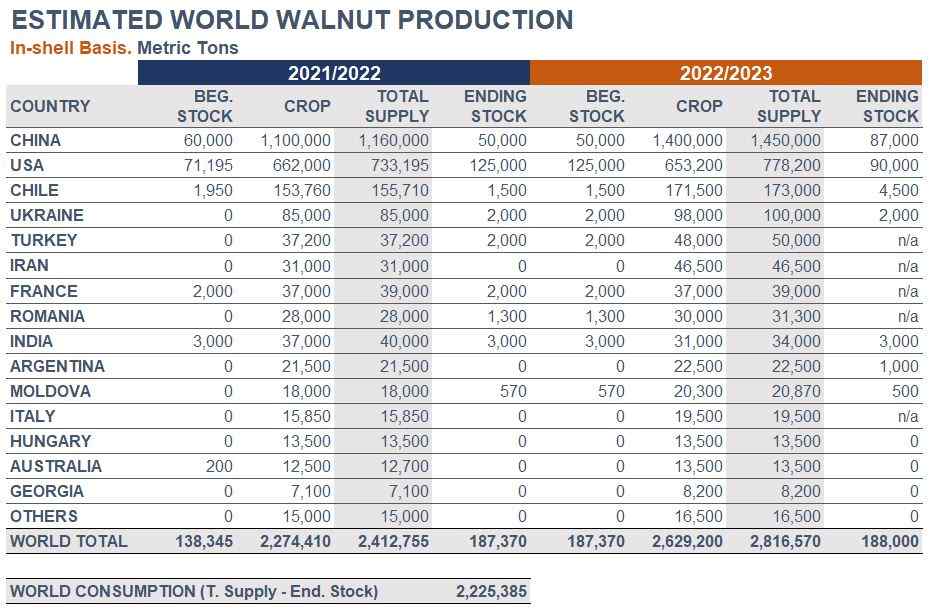
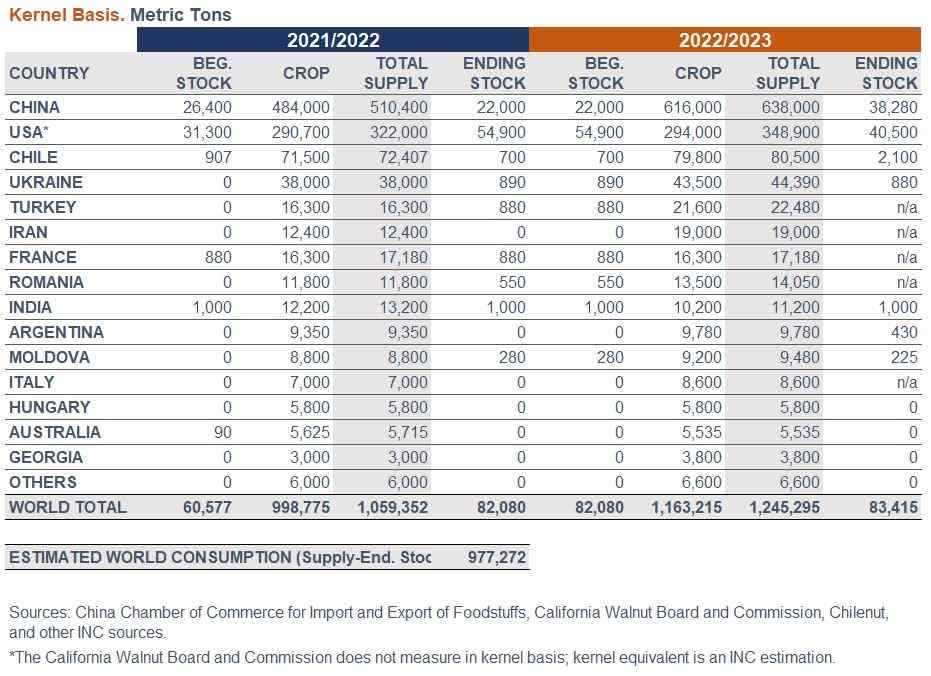
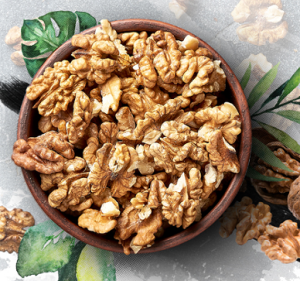 Chinese crop, forecasted at 1.4 million metric tons (in-shell basis) is reported above average from all origins except Yunnan, where the harvest was delayed due to unfavorable weather. In the rest of the producing regions harvest started normally, with smaller sizes but higher yields. The COVID-19 periodical mass quarantine has caused harvest, processing, logistic, consumption and export to slow down. As reported by the California Walnut Board and Commission, 2022 production is forecasted at 720,000 short tons in-shell basis (≈653,200 metric tons), down 1% from 2021's crop. The 2022 Chilean crop ended up in line with the original Chilenut estimation of 170,000 MT. Quality was similar to previous years; 92% is extra light and light color and size 30+, yield is up to 49.9% for Chandler. [Read more]
INC Shares Update on Cashew Crops
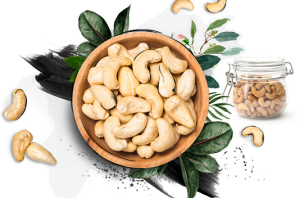 As reported by industry sources, weather conditions (La Niña) caused a visible negative impact on the northern hemisphere crop yields as well as on the kernel outturn, especially in India, Vietnam and Cambodia. La Niña established again for the 2022/2023 boreal winter; and may affect the upcoming harvest in the northern hemisphere, as well as the ongoing harvest in the southern hemisphere, Brazil and Indonesia in particular. [Read more]
Update on Hazelnut Crops Disseminated by the INC
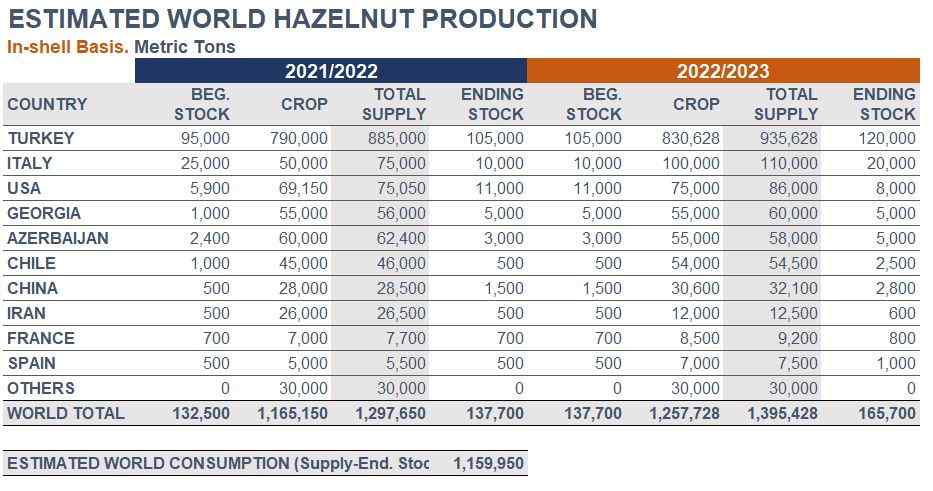
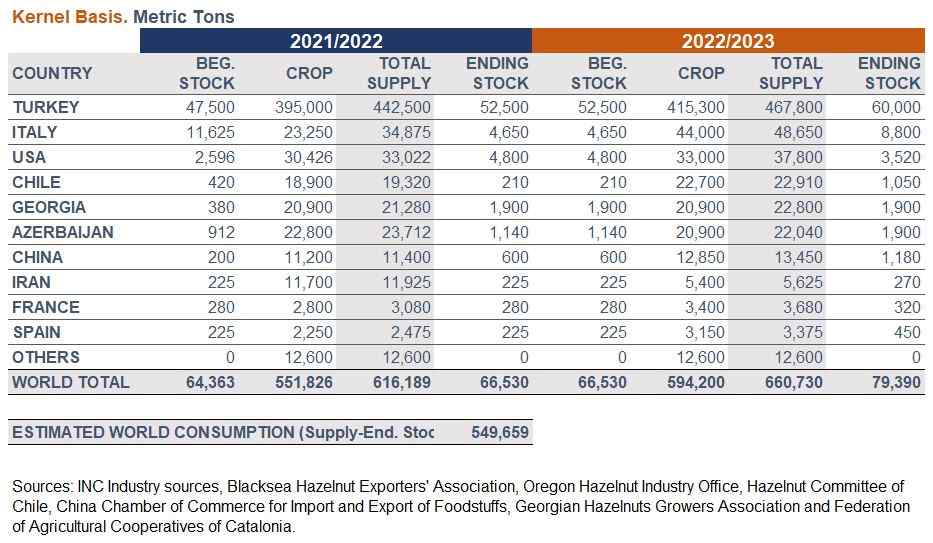
 The Blacksea Exporters’ Association Turkish hazelnut crop estimation of 830,628 metric tons (in-shell basis) is expected to remain valid. The first indications of kernel size distribution and yield performances are optimum. The Italian crop was revised down to around 100,000 MT, mainly due to the drought and rainfall during harvest that has impacted the final quality. New bearing acres continue to come online in Oregon, resulting in what will likely be another record crop of around 75,000 MT, according to industry sources. [Read more]
INC Highlights Pecan Crop Update
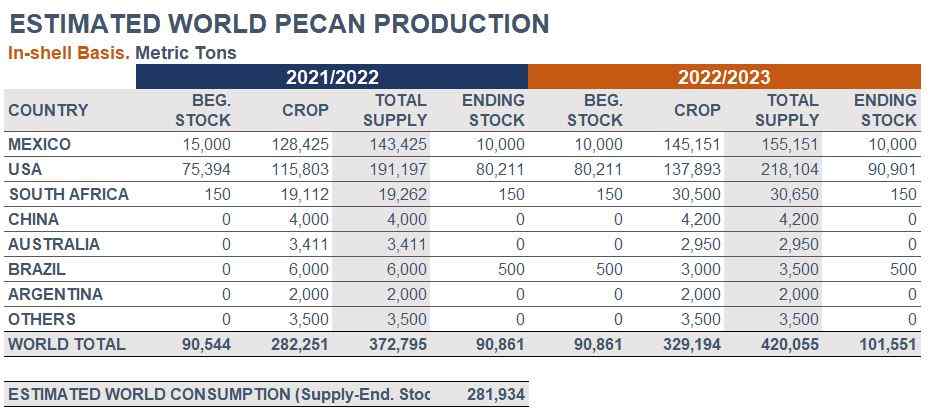
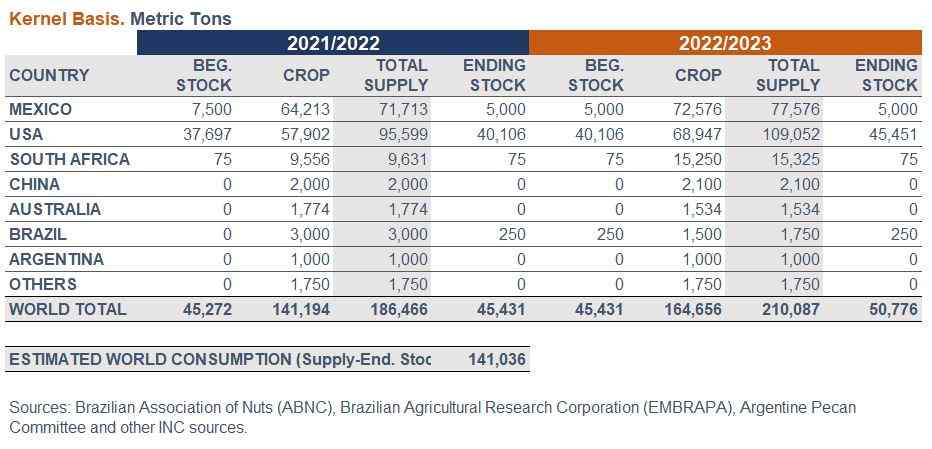
 According to COMENUEZ, the Mexican 2022 crop is forecasted at 145,151 MT, 12% more than in 2021. The US National Pecan Sheller’s Association, forecasted a 2022 crop of 137,893 MT. While the industry is forecasting a slightly larger supply than in 2021, increased fertilizer, fuel, finance, labor and transportation costs should prevent a significant change in current market prices. Kernel quality is expected to be good for both origins. [Read more]
INC Chairman Presents at the 2022 Australian Almond Conference
 On October 12, INC Chairman, Michael Waring presented a snapshot of the nut industry during the 2022 Australian Almond Conference. Mr. Waring was invited to represent the International Nut and Dried Fruit Council, as the official voice of the global nut and dried fruit industry.
Mr. Waring's presentation highlighted the world tree nut production and consumption, Chinese demand, Indian imports, and other emerging markets like LATAM. The presentation then touched on the Gen Z consumer and their importance, and how that is driving the INC's multi-year dissemination campaign. Lastly, Mr. Waring discussed the INC's Sustainability Projects. [Read more]
INC Executive Director Speaks at Spanish Almond Board Event
 INC Executive Director, Goretti Guasch was invited to speak at the VII Almond and Hazelnut Meeting organized in Spain by the Spanish Almond Board on October 3.
During Mrs. Guasch's presentation, she touched on the global supply and demand of nuts and dried fruits as well as the challenges currently facing the industry. She then moved on to the results of consumer research on Gen Z carried out by the INC and explained how Gen Z is a powerful consumer group for nuts and dried fruits as we move forward. And finally, she discussed the INC's plans to launch regional marketing campaigns in China, India, and Latin America. [Read more]
INC Sends Position Letter to European Commission
 On September 21, 2022, the Expert Group for Agricultural Markets of the European Commission Directorate-General for Agriculture and Rural Development (DG AGRI) discussed the revision of the Commission Implementing Regulation (EU) No 543/2011. This regulation lays down detailed rules for the application of the Council Regulation (EC) No 1234/2007 in respect to the fruit, vegetables and processed fruit sectors. The INC has sent a position letter to the European Commission, as there is concern that such revision might impact the nut and dried fruit industry. [Read more]
INC Shares FDA Proposed Rule on Food Labeling
 On September 28, 2022, the U.S. Food and Drug Administration (FDA) issued a proposed rule to update the definition for the implied nutrient content claim “healthy”, which was set in 1994. This rule, if approved, will revise the requirements for when the term “healthy” can be used as an implied claim in food labeling.
INC Provides Insights on Study of Nuts and Cardiovascular Health
 A recent study published in the journal Cardiovascular Diabetology set out to examine in more detail how nut consumption affects those at high risk for cardiovascular disease. The study took a deeper look at advanced measures of lipoprotein atherogenicity by nuclear magnetic resonance (NMR) spectroscopy and insulin resistance in older individuals with high cardiovascular risk.
INC Disseminates New Research on Kilojoules from Nuts
 Research from Australia’s University of Wollongong has found that nuts may provide up to 26% less kilojoules than what was previously thought. The study explores flaws in how kilojoules are counted for tree nuts and peanuts. The research included a systematic literature review (SLR) of 13 controlled, feeding trials, where participants were followed on either a control diet or a diet including nuts.
INC Shares Latest Sustainability News
 The latest sustainability update from the INC highlights the recently published UN Global Compact China strategy which aims to maximize China's contribution to the Sustainable Development Goals, an EU ban of products made with forced labor within the EU market, the new EU common agricultural policy, environmental law implementation, and new rules on recycled plastic in food packaging in the EU. Additionally, the highlight mentions Spain's new nutritional and sustainable dietary guidelines. [Sustainability Update]
International Trade News Monitored by INC
 Read the most recent news on international trade from around the globe including Brazil, Egypt, Georgia, Malaysia, Uganda, and the United States. Updates cover transit tolls for the Suez Canal, a new program in Georgia to boost agricultural exports, opportunities for US exports in Malaysia, new standards for cashews and dried fruits in Uganda, and the first-ever agricultural trade mission by the USA in Spain and Portugal. [International Trade News]
Food Safety and Labeling Updates Shared by INC
 The food safety update includes news on new draft MRLs in the European Union, proposed changes to increase import controls and emergency measures in the United Kingdom, and established pesticide tolerances for glufosinate in multiple commodities including dried figs. On the labeling side, updates include front-of-pack nutrition labeling news in the European Union and an update on food labeling guidance in the United Kingdom. [Foody Safety] [Labeling Update]
Effects of High-Pressure Carbon Dioxide on the Sensory and Chemical Properties of Dried Dates and Its Toxicity against Galleria mellonella (L.) and Plodia interpunctella (Hübner).
Abstract: The use of chemical pesticides can have many detrimental side effects, including environmental pollution, and be a threat to human health. Carbon dioxide (CO2) treatment, a relatively new method for storage pest management, can replace harmful chemicals. Dates, an important food worldwide, contains many minerals, fiber, and a variety of vitamins and are an important dried fruit export from Iran annually. Thus, control of the pests of dried dates by using eco-friendly agents that do not affect quality features are critical. In this study, larval mortality of the Indian meal moth (Plodia interpunctella (Hübner)) and the greater wax moth (Galleria mellonella (L.)), two key pests of stored products, especially dried dates, was studied after exposure to different CO2 pressures within 24 h. Mortality percentages of the third-instar larvae of both pests were increased with an increase in CO2 pressure. Sensory tests on the qualitative characteristics of the dates revealed that CO2 pressures did not affect their aroma, color, sweetness, sourness, crispness, firmness, and overall acceptance. The highest tested pressure (33.4 mol%) of CO2 also had no significant effects on the chemical properties of the date samples, including moisture content, pH, acidity, Brix value, reducing sugar, and total sugar. We conclude that atmospheric CO2 gas can provide a cost-effective and environmentally friendly method for controlling the insect pests of dried dates in addition to preserving their sensory and quality properties. https://doi.org/10.4315/JFP-22-067
Seasonal variability in physiology and behavior affect the impact of fungicide exposure on honey bee
Honey bee pollination services are of tremendous agricultural and economic importance. Despite this, honey bees and other pollinators face ongoing perils, including population declines due to a variety of environmental stressors. Fungicides may be particularly insidious stressors for pollinators due to their environmental ubiquity and widespread approval for application during crop bloom. The mechanisms by which fungicides affect honey bees are poorly understood and any seasonal variations in their impact are unknown. Here we assess the effects on honey bee colonies of four-week exposure (the approximate duration of the almond pollination season) of a fungicide, Pristine® (25.2% boscalid, 12.8% pyraclostrobin), that has been commonly used for almonds. We exposed colonies to Pristine® in pollen patties placed into the hive, in either summer or fall, and assessed colony brood and worker populations, colony pollen collection and consumption, and worker age of first foraging and longevity. During the summer, Pristine® exposure induced precocious foraging, and reduced worker longevity resulting in smaller colonies. During the fall, Pristine® exposure induced precocious foraging but otherwise had no significant measured effects. During the fall, adult and brood population levels, and pollen consumption and collection, were all much lower, likely due to preparations for winter. Fungicides and other pesticides may often have reduced effects on honey bees during seasons of suppressed colony growth due to bees consuming less pollen and pesticide. https://doi.org/10.1016/j.envpol.2022.120010
International Experts Recommend Nuts and Dried Fruits as Part of a Healthy Diet
INC hosts historic first meeting of health researchers from around the world, where diabetes was defined as a topic of focus for future investigation in nut and dried fruit research.
From October 20-21, 2022, the world’s leading researchers gathered for NUTS 2022 to discuss the current and future of health research on nuts and dried fruits. NUTS 2022 was a historic gathering of the brightest minds in the field of nutrition research on nuts and dried fruits. Twenty-five researchers and professors from universities in Australia, Brazil, Canada, France, Iran, Italy, Norway, Spain, Türkiye, UK and USA, summarized the latest evidence related to the health benefits of nuts and dried fruits, and then discussed and defined gaps, new topics, needs and opportunities in research for the future.
Chaired by Prof. Jordi Salas-Salvadó, Chairman of the INC Nutrition Research Committee and Distinguished Professor at Universitat Rovira i Virgili, the meeting included highly-esteemed researchers like Dr. Frank Hu, Chair of the Department of Nutrition at Harvard T.H. Chan School of Public Health, Dr. David Jenkins, professor at the University of Toronto, Department of Nutritional Sciences, Dr. Joan Sabaté, professor of Nutrition and Epidemiology at Loma Linda University, and Dr. Penny Kris-Etherton, Distinguished Professor of Nutrition at Penn State University, among others.
The effects of nut and dried fruit consumption have gained traction over the last years, and supported by growing scientific evidence they have been associated with a myriad of health benefits, from cardiovascular health to insulin resistance and diabetes, weight management, lipoproteins and dyslipidemia, inflammation and oxidation, gut health, aging and cognition, and some forms of cancer. More recently, other lines of research have included fertility and nuts and dried fruits as part of sustainable diets. While some areas of research have been put into focus more than others, there is irrefutable evidence that they are nutrient-dense foods with an interesting nutritional composition.
At the meeting, it was highlighted how a joint effort must be made to help bring awareness to the importance of including nuts and dried fruits as part of a healthy diet. The benefits of nuts are wide-ranging and include a variety of nutrients, mono- and polyunsaturated fats, fiber, vitamins, minerals, polyphenols and antioxidants, all which have a beneficial effect on health, and dried fruits contain essential nutrients and health-promoting bioactive compounds such as antioxidants, which may help reduce cell damage.
Among the future lines of research discussed in the meeting, participants highlighted the potential role of nuts and dried fruits in the prevention of diabetes, which is of particular relevance in today’s world. According to the International Diabetes Federation, there are currently 537 million people worldwide with diabetes, and this number is projected to reach 700 million people by 2045. Prevalence is increasing worldwide, leading to over 4 million deaths every year, and in countries such as China and India, the number of deaths attributable to diabetes are extremely high: 1.4 million and 648,000 people, respectively. Lifestyle measures and a healthy diet have been shown to be effective in preventing or delaying type 2 diabetes, which is the most common type of diabetes.
The proceedings from NUTS 2022 will be published in a special issue of the prestigious scientific journal Nutrients.
See the pictures from NUTS2022
See the Official Press Release
Almonds Global Statistical Review
USA (California)
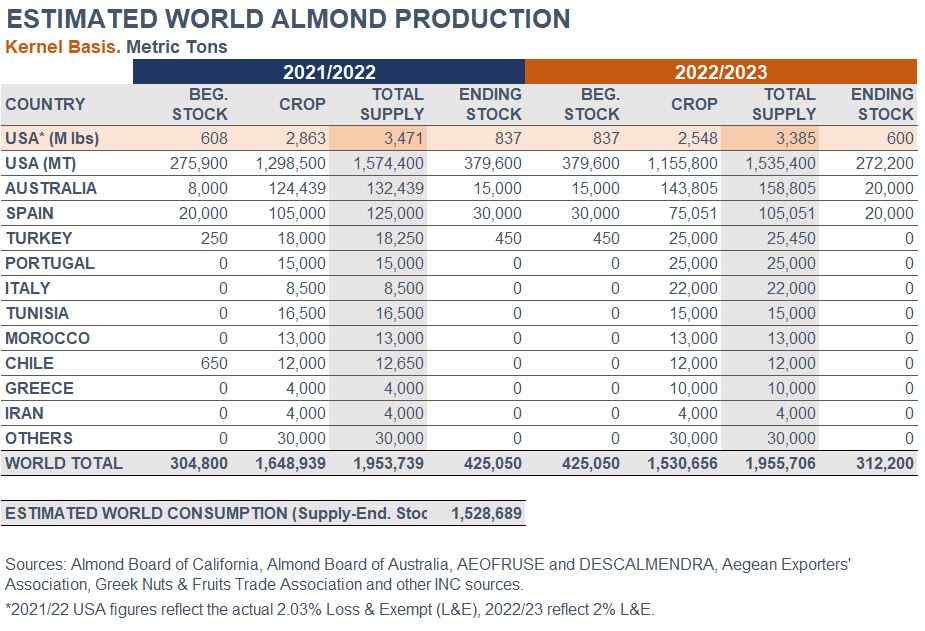
The second Almond Board of California Position Report of the 2022/2023 crop year (August 2022-July 2023) showed receipts of 978.5 million pounds (approx. 443,850 metric tons) of kernel weight through September 30, 2022, 8% lower than in 2021. However, at the time of writing this report, it is still too early to determine if the estimated 2.6 billion lbs. crop (1.180 million MT) forecasted by the USDA would be realized, it will depend on the actual receipts as the remaining months of harvest, hulling and shelling progress.
Overall shipments in 2021/22 were the second largest in history at 2.634 billion lbs. (≈1.195 million MT) even amidst the logistical issues. Nonetheless, as reported by industry sources, demand has been sluggish during summer. Buyers were discouraged by the large carryover and the strong US dollar. From the seller's standpoint, prices could not keep up with the rising cost of water, energy and agrochemicals Pricing remained fairly stable during September as the dollar kept strengthening and inputs costs continued on the rise.
Shipments were strong in August —assisted by the significant carryover, numerous cargoes of the old crop were shipped— while in September, with the smaller crop being harvested, total shipments lagged as compared to 2021. Export shipments in September amounted to about 137 million lbs. (≈62,000 MT), down 16% from the prior year. On a year-to-date basis, helped by the August record, exports added up to nearly 300 million lbs. (≈136,000 MT) through September, just about -1.6% vs. 2021. Export markets in the Middle East/Africa and Europe started the new marketing year strongly, with gains of 103% and 6%, respectively. Domestic shipments in September (52 million lbs./23,500 MT) were down 19% and below 10% YTD (117 million lbs./53,000 MT) vs. 2021.
With carryout at 837 million lbs. (≈ 380,000 MT), total supply for 2022/23 is estimated to be 3.385 billion lbs. (≈ 1.535 million MT), slightly below 2021/22.
Australia
According to the Almond Board of Australia, the latest crop estimate for 2022 is 143,805 MT, slightly down on the pre-season estimate of 145,000 MT, but 3.7% up on the June estimate. The wet weather has hampered the harvest, hulling, and shelling operations, but the latest figure indicates that processors have still managed to salvage a crop that has defied mid-year concerns of a reduced volume of saleable product. In-shell volumes were significantly down in India (55%) because of the lack of product available due to the wet weather and the premium paid by China for the same product. China sales are 23% up in the first five months of the season on last year, while Europe is up 4% and Middle East 29%. Overall export and domestic sales are down 7% despite prices at 10-year lows.
The crop potential for 2023 was hampered by a varroa mite incursion on commercial beehives in northern NSW in June, which restricted beehive movements on the eastern coast and resulted in some orchards in Victoria not receiving their desired hive stocking rates during bloom. The impact on the yield remains unclear. Growers continue to face high input costs and exporters are still dealing with sea freight costs well above pre-COVID-19 levels, which further erodes farmgate returns.
Spain
A spring frost event, poor pollination and the torrid summer seemed to have impacted volumes and sizes. Most of the almond-producing regions had completed the harvest by mid-September; and the remaining areas were over 85% harvested. Cleaning and drying started while waiting for a better price positioning. Demand in Europe was slow, summer sales were weak and there is some concern regarding Christmas sales.
Pistachios Global Statistical Review
USA
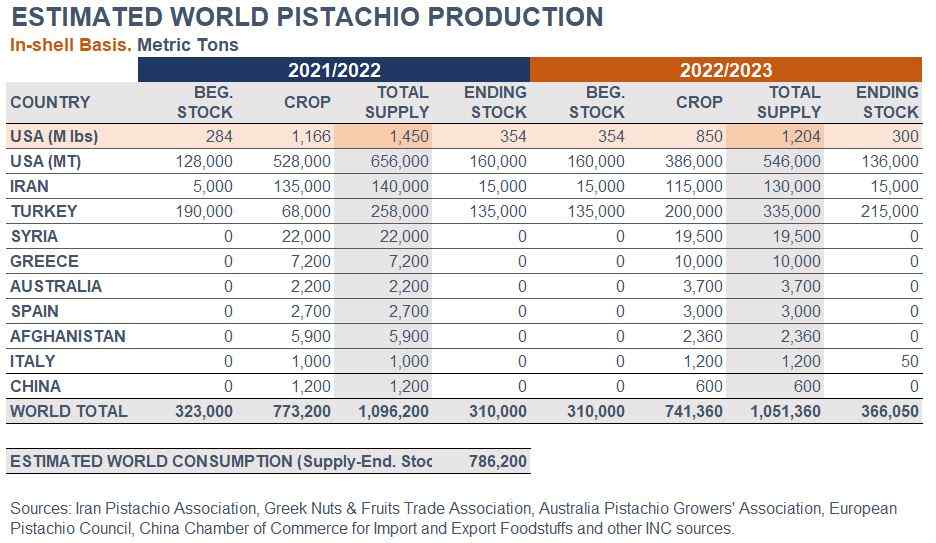
As the California 2022/23 harvest was slowly ramping up towards the end of September, early indications were projecting a significantly smaller crop of around 363-409,000 metric tons (800-900 million pounds). High heat and drought conditions are expected to negatively impact quality, with harvest indicating increased closed shells and additional staining.
Global demand is anticipated to remain strong, with US shipments the past crop year over 379,000 MT (837 million lbs.) driven by strong exports, a 17% increase from the year before. As processors got ready for the Mid-Autumn Festival and Chinese New Year, the Chinese market started to picked up.
Several factors affecting sales last year are continuing to be challenges this year: additional tariffs between China and US with increased quality requirements, and shipment and logistic issues creating delays and near-term shortages.
Iran
As reported by the Iran Pistachio Association, total exports for the 2021/22 marketing year amounted to 105,000 MT (in-shell equivalent), 31% below the past four years average, and accounted for 75% of the marketable inventory. Year-to-date kernels and green kernels export shipments amounted to 16% (24% including closed shell as raw material for kernels) of this year’s share, against 11% for the same period last year. Domestic consumption was estimated at 20,000 MT, around 14% of the total inventory.
The higher than previously expected remaining inventory (15,000 MT) was due to a sluggish supply, resulting from a spring frost in southern provinces and government control over the official exchange rate against the US dollar during the second half of the MY.
IPA’s 2022 pre‐harvest forecast stands at 115,000 MT of dried in‐shell pistachios. The post-harvest estimate will be published in November. Long varieties are expected to account for 65% of the new crop, as a higher share of it is coming from new producing regions, where the long varieties are dominant.
Global demand has been under pressure due to the price disparity between domestic and global markets. This disparity is decreasing for the new crop to move to global markets. Worldwide demand for natural pistachio kernels remains strong due to their quality and price competitiveness.
Turkey
At the time of this writing, harvest was ongoing and meeting the initial expectations of a big crop, which is forecasted at 200,000 MT. Pistachio farmers keep investing on quality and post-harvest infrastructure systems. Currently, a running huller station can be found in each big village, allowing growers to harvest early varieties. These new developments have negatively affected the market for processors since the immediate raw material delivery pressure has been lifted off from growers’ shoulders. Currently, the bottleneck for the entire sector is the supply of raw material to the market because of the flexibility that growers have. These developments will support the Turkish pistachio in the long term, but nowadays prices are far away from being competitive as they have reached their summit this season.
Australia
Total domestic demand for the FY2022 (ended June 30) was down 18% over the COVID-19 boom years of FY2020 and FY2021. Winter chill has been adequate for the spring flowering and 2023 is expected to be a good off-crop especially with new orchards coming into production. Further planting occurred over winter.
Spain
The 2022 crop estimate was revised down from the previous forecast, due to blooming and ripening problems, owing to late frosts and drought during late spring and summer seasons.
Prices at the orchard level have dropped down due to higher costs, especially electricity and fuel, at the processing level. The whole value chain seems to be narrowing down its margins.
Walnuts Global Statistical Review
China
The initial crop forecast of 1.4 million MT (in-shell basis) should be deemed as objective. Production is reported above average from all origins except Yunnan, where harvest was delayed by 2-3 weeks due to unfavorable weather. In the rest of the producing regions harvest started normally, with smaller sizes but higher yields. COVID-19 quarantines have slowed down harvest, processing, logistics and consumption. International shipments were slow due to firm pricing during the Mid-Autumn Festival and Golden week holidays, and sharp competition.
USA
As reported by the California Walnut Board/Commission, 2022 production is forecasted at 720,000 short tons in-shell basis (≈653,200 MT). The forecast is based on 400,000 bearing acres (≈161,900 ha), up 3% from 2021. Throughout the growing season, the state experienced hot and dry conditions with water allocations in many areas. Harvest began in early September with an anticipated completion by late October/early November. The late summer heat wave did some damage to the crop with 10% more darker kernels and 2% lower meat yields being reported in most varieties, including Chandler. The final crop size should exceed the initial estimate of 653,200 MT, although the utility of the crop, good kernels and salable product will probably come in under the estimate. With depressed prices, most growers will not be making any second passes to clean up the last remaining nuts in the field after November 1st.
Chile
The 2022 crop ended up in line with the original Chilenut estimation of 170,000 MT. Quality was similar to previous years; 92% extra light and light color, and size 30+. With better results than the last seasons, yield is up to 49.9% for Chandler. Shipments YTD reached 116,000 MT, slightly up from last season.
Pecans Global Statistical Review
Mexico
While the Mexican Government still has not published a final figure for the 2021 crop, based on USDA import figures, it is estimated that the crop was approximately 128,425 metric tons, in-shell basis. Heavy rains over the first half of September have filled local reservoirs and supplied badly needed water during the critical filling period of the nuts. As such, kernel quality is expected to be good. At the conclusion of the industry’s annual meeting, the first week of September, COMENUEZ estimated the 2022 crop to be 145,151 MT, 12% more than in 2021.
USA
The same rains that drenched Northern Mexico dropped significant quantities of rain throughout the pecan belt. While the rains did cause severe flooding in some areas, early indications suggest minimal damage to the crop. Overall, growing conditions continue to be favorable, and barring any natural disasters, quality should be good. At the conclusion of the annual meeting of the National Pecan Sheller’s Association, the organization forecasted a 2022 crop of 137,893 MT. The USDA will publish the first official estimate of the crop in early October. While the industry is forecasting a slightly larger supply than in 2021, increased fertilizer, fuel, finance, labor and transportation costs should prevent a significant change in current market prices
China
This year’s crop year is about 5% up from 2021. Some growing areas are experiencing serious drought, especially alongside the Yangzi River watershed. With about 80,000 hectares, from which 30% are bearing, pecan is grown in nine provinces.
Brazil
The 2022 crop concluded lower than expected, due to the severe drought that affected the entire production zone, along with periods of very high temperatures. The average fruit size was smaller, but with a good kernel yield. Both in-shell and shelled exports continue to grow. For 2023, a better crop, of around 7,000 MT is expected, even with a forecast of below average rainfall for the growing season.
Hazelnuts Global Statistical Review
Turkey
Harvest began in September with approximately two weeks delay and continued with the mid-high altitudes’ orchards throughout October. The Blacksea Exporters’ Association crop estimation of 830,628 metric tons (in-shell basis) is expected to remain valid. The first indications of kernel size distribution and yield performances are optimum. Post-harvest drying conditions will impact supply flow. The Turkish Grain Board (TMO) announced its procurement benchmark price as 52TL/kg for Levant variety, with stricter quality criteria than market, and started the campaign in late August in more than 40 receiving points. As macroeconomic conditions loom in EU markets, demand patterns are watched carefully. TL parity against USD and EUR has continued to be calm, where a weak EUR/USD could keep EUR prices strong.
Italy
The Italian crop, preliminary forecasted at 150,000 MT, was revised down to around 100,000 MT, mainly due to the drought that occurred throughout the country. On top of that, since mid-August persistent rainfall has significantly impacted the final quality. The heavy rain has also hindered the harvesting and made the dried product that fell on the ground to become moldy.
USA
Weather conditions have been ideal for both tree growth as well as crop development. Ample rainfall and extensive irrigation systems ensured large kernel sizing. New bearing acres continue to come online, resulting in what will likely be another record crop. The increased availability of additional stocks of highly blanchable kernels will continue, with many of the new hectares coming into production being of those varieties.
Industry opinions suggest that the 2022 crop size will be 75,000 MT; however, the USDA NASS Objective Yield Survey has published a lower number of 61,700 MT. New-crop supply, paired with a larger-than-normal carry in of 11,000 MT, will result in a record total supply. Given a slightly later-than-normal crop, growers and processors are prepared for an abbreviated shipping window to traditional in-shell markets into Asia.