
A comparison of the nutritional profile and nutrient density of commercially available plant-based and dairy yogurts in the United States
Introduction: Plant-based yogurts are sustainable alternatives to dairy yogurts, but a nutritional comparison of plant-based yogurts within the context of dairy yogurts has not yet been applied to commercially available products in the United States. Dairy yogurts provide significant dietary nutrients, and substituting plant-based yogurts may have unintended nutritional consequences. The objective of this study was to compare the macronutrient and micronutrient values of commercially available plant-based and dairy yogurts launched between 2016 and 2021. Methods: Nutritional information for yogurts were collected through Mintel Global New Products Database, and products were categorized according to their primary ingredient. Regular-style yogurts (n = 612) were included in this study: full-fat dairy (n = 159), low and nonfat dairy (n = 303), coconut (n = 61), almond (n = 44), cashew (n = 30), and oat (n = 15). We utilized the Nutrient Rich Foods (NRF) Index, a comprehensive food guidance system that assigns a score based on the nutrient density of individual foods. This allowed us to compare the nutritional density of the yogurts based on nutrients to encourage (protein, fiber, calcium, iron, potassium, vitamin D) and nutrients to limit (saturated fat, total sugar, sodium). Results: Compared to dairy yogurts, plant-based yogurts contained significantly less total sugar, less sodium, and more fiber. However, plant-based yogurts contained significantly less protein, calcium, and potassium than dairy yogurts. The yogurts were ranked from the highest to lowest nutrient density based on the NRF Index as follows: almond, oat, low and nonfat dairy, full-fat dairy, cashew, and coconut. Almond yogurts scored significantly higher than all other yogurts, indicating the highest nutrient density. Discussion: The highest NRF scores were awarded to almond and oat yogurts, likely a result of their low levels of total sugar, sodium, and saturated fat. By applying the NRF model to plant-based and dairy yogurts, we have identified opportunities for the food industry to improve the formulation and nutritional composition of plant-based yogurts. In particular, fortification is an opportunity to improve plant-based yogurt nutritional properties. https://doi.org/10.3389/fnut.2023.1195045

Longer-term mixed nut consumption improves brain vascular function and memory: a randomized, controlled crossover trial in older adults
Background: Nut consumption may reduce age-related cognitive decline, but underlying mechanisms are unclear. Objective: To investigate in older adults’ longer-term effects of mixed nut consumption on brain vascular function, which may underlie improvements in cognitive performance. Methods: Twenty-eight healthy individuals (age [mean±SD]: 65±3 years; BMI: 27.9±2.3 kg/m2) were included in a randomized, single-blinded, cross-over trial with a 16-week intervention (60 g/d mixed nuts: walnuts, pistachio, cashew, and hazelnuts) and control period (no nuts), separated by 8 weeks of washout. Participants followed the Dutch food-based dietary guidelines. At the end of each period, cerebral blood flow (CBF), a marker of brain vascular function, was quantified using arterial spin labeling magnetic resonance imaging. Effects on endothelial function, arterial stiffness, and the retinal microvasculature were also assessed. Cognitive performance was measured using the Cambridge Neuropsychological Test Automated Battery. Results Body weight remained stable during the study. As compared to the control period, the mixed nut intervention resulted in a higher regional CBF in the right frontal and parietal lobes (treatment effect: 5.0±6.5 mL/100g/min; P<0.001), left frontal lobe (5.4±7.1 mL/100g/min; P<0.001), and bilateral prefrontal cortex (5.6±6.6 mL/100g/min; P<0.001). Carotid artery reactivity (0.7 PP; 95%CI: 0.2 to 1.2; P=0.007), brachial flow-mediated vasodilation (1.6 PP; 95%CI: 1.0 to 2.2; P<0.001) and retinal arteriolar calibers were higher (2 μm; 95%CI: 0 to 3; P=0.037), and carotid-to-femoral pulse wave velocity lower (-0.6 m/s; 95%CI: -1.1 to -0.1; P=0.032). Further, visuospatial memory (-4 errors [16%]; 95%CI: -8 to 0; P=0.045) and verbal memory (+1 correct [16%]; 0 to 2; P=0.035) improved, but executive function and psychomotor speed did not change. Conclusions: Longer-term mixed nut consumption as part of a healthy diet beneficially affected brain vascular function, which may relate to the observed beneficial effects on memory in older adults. Moreover, different characteristics of the peripheral vascular tree also improved. https://doi.org/10.1016/j.clnu.2023.05.025
Nut Consumption Improves Brain and Peripheral Vascular Function, and Memory, New Study Finds
A recent INC-funded study, published in Clinical Nutrition[1], showed that longer-term consumption of nuts as part of a recommended diet significantly improved brain and peripheral vascular function, and memory.
The beneficial effects of nut consumption on vascular function may underlie the improvements in cognitive performance, thereby reducing cognitive decline as a result of aging.
The clinical trial consisted of 28 healthy individuals all in their 60s. The researchers conducted a randomized, single-blinded, cross-over trial involving a 16-week intervention and control period (no nuts), separated by an 8-week washout period. The intervention consisted of 60 g per day of mixed nuts (15 g of walnuts, pistachios, cashews and hazelnuts each). Participants followed the Dutch food-based dietary guidelines.
At the end of each period, brain vascular function was measured using cerebral blood flow (CBF); peripheral vascular function was assessed using validated markers of endothelial function, arterial stiffness and the retinal microvasculature; and cognitive performance was tested in the domains of memory, executive function and psychomotor speed.
The results showed that regional CBF was higher in three areas of the brain located in the right frontal and parietal lobe, the left frontal lobe and the bilateral prefrontal cortex. Nut consumption also improved endothelial function and beneficial effects were observed on aterial stiffness and retinal microvascular calibers. Participants did not gain weight during the study. Lastly, memory was positively affected through improved performance on the paired association learning (visuospatial memory) and verbal world recognition (verbal memory) tasks.
“Based on these results we have concluded that longer-term mixed nut consumption as part of a healthy diet beneficially affected brain and peripheral vascular function in older adults, which may relate to the observed improvements in memory,” states Dr. Peter Joris, principal investigator from Maastricht University, Netherlands.
The study was supported by the INC, International Nut and Dried Fruit Council.
[1] Nijssen KMR, Mensink RP, Plat J, Joris PJ, Longer-term mixed nut consumption improves brain vascular function and memory: a randomized, controlled crossover trial in older adults, Clinical Nutrition, clinicalnutritionjournal.com.
Congress Presentations: Nut and Dried Fruit Production Prospects and Expert Sessions
As discussed by industry leaders during the round tables, world tree nut production for 2023/24 has been forecasted at 5.7 million metric tons (kernel basis, except pistachios in-shell), up by 5% from the previous season. Although it is still very early in the season to anticipate the final outcomes, almond, walnut, cashew, hazelnut and pecan crops are expected to remain mostly flat, or just slightly above the previous season. Pistachios and macadamias are projected to increase by 37% and 9% from 2022/23, respectively, whereas Amazonia (Brazil) nuts and pine nuts foresee lower crops this season.
According to early estimations, world peanut production in 2023/24 is expected to amount to 51 million MT (in-shell basis), up 4% from 2022/23.
Global dried fruit production in 2023/24 has been forecasted at 3.2 million MT, up 7% from 2022/23, as production is expected to increase for dates (22%), prunes (21%) and dried figs (14%).
The need to create demand worldwide through innovative new product concepts was a theme throughout the congress with Gen Z being a key driver of market development.
In keeping with the reoccurring congress theme of Gen Z, keynote speaker Virginia Stagni, Business Development Manager and Talent Director at the Financial Times, discussed ways in which businesses can engage with younger generations both as consumers and industry professionals. Mountaineer Edurne Pasaban, the first woman to summit all 14 eight-thousanders, gave the second keynote speech, which conveyed inspiring messages about achieving goals and building a team with a shared vision.
INC Executive Director Goretti Guasch gave a presentation about hot topics in the nut and dried fruit industry. She also shared the INC’s latest research which looked into the perceptions and consumption habits of Gen Z in India and how they perceive nuts and dried fruits.
The Nutrition Research Seminar featured guest speakers Prof. Gideon Lack, Professor of Pediatric Allergy at King’s College London, who discussed the landmark LEAP study on the prevention of nut allergies, and Dr. Marta Guasch-Ferré, Associate Professor at the University of Copenhagen, who discussed the scientific evidence supporting the health benefits of nuts.
The Sustainability Seminar featured guest speaker Dr. Rachael Garrett, Moran Professor of Conservation and Development at the University of Cambridge, who argued that the nut and dried fruit industry is uniquely poised to position itself as a sustainable agriculture sector.
At a session entitled Global Campaign Strategies, speakers representing several industry associations presented their initiatives to promote consumption of nuts and dried fruits in different parts of the world.
Attendees are invited to check out the INC’s online repository of congress presentations
Videos and slides from the INC XL World Nut and Dried Fruit Congress in London are now available online, exclusively for congress attendees.
To access the INC’s online presentations page, log in to the Meeting Point —the exclusive online space used for networking during the event— using the same username and password you were issued when you registered for the congress. From there, click on the Presentations tab.
The presentations page is organized chronologically by date and congress session. Simply scroll down to the session you wish to revisit, where you will find the corresponding video and slides. To watch a video, just click on the play button to watch the video without leaving the Meeting Point. Alternatively, click on the YouTube logo to watch the video on the YouTube website. To view any slide deck, simply click on the icon to download the PDF file.
Click here to rewatch the INC Congress presentations page!
INC Academia On-site Course in the United Kingdom
This year’s program focused on the industrial side of the nut and dried fruit sector
This year’s INC Academia On-site Course was held in the United Kingdom from May 18-20. From a strategic home base in Stratford, East London, students were treated to multiple visits to industrial facilities for a behind-the-scenes look at how the nut and dried fruit sector operates in this key market.
The three-day program kicked off with a visit to the London-based industrial facilities of Bühler, where participants toured a state-of-the-art assembly line and learned first-hand about optical sorting technologies. After a tasty lunch in the Bühler canteen alongside our knowledgeable hosts, the INC Academia proceeded to its next site visit: Chelmer Foods in Chatteris, north of Cambridge. At this family-owned business, which sources dried fruit, nuts, seeds and pulses from over 25 countries around the world, company representatives facilitated a lively discussion and led participants on a tour of the warehouse grounds. Back in Stratford, the first day ended with a welcome cocktail and dinner on the 12th floor of the Hyatt Regency, complete with panoramic city views.
The following day, the INC Academia set off for the Port of Felixstowe, the UK’s largest and busiest container port, which every year receives around 2,000 ships and handles more than 4 million twenty-foot equivalents (TEUs). Our highly experienced hosts provided an overview of the port’s operations and led INC Academia participants on an enlightening tour that culminated in a visit to the Port Health facility. After a quick lunch at the picturesque Suffolk Food Hall, the INC Academia proceeded to its next stop: LDH (La Doria). Strategically located in Ipswich, this high-tech distribution center is ideally situated to receive goods arriving from the Port of Felixstowe. Students suited up in fluorescent vests and safety boots for a private tour that drew back the curtain on how nuts and dried fruits are distributed in the UK.
On the third and final day, participants donned their walking shoes and hit the streets with David McCormick, head of Besana UK. Under David’s watchful eye, participants toured two of the UK’s top supermarket chains, Marks & Spencer and Waitrose, where they discovered the secrets of how nuts and dried fruits are packaged, positioned and sold to British consumers. After a buffet lunch at the Hyatt, the INC Academia ended on a high note with a hands-on negotiation workshop led by Prof. Kandarp Mehta of IESE Business School. Through an engaging lecture and hands-on group exercises, Prof. Mehta demystified concepts such as the zone of possible agreement and the best alternative to a negotiated agreement.
As a coda to this year’s INC Academia On-site Course, participants who stayed on in London for the INC Congress the following week were invited to attend an exclusive networking session for Academia alumni featuring a stimulating debate session led by Lalo Medina. [See photos]
May 2023 News Brief
1,300 Professionals from 65 Countries Met in London for the 40th World Nut and Dried Fruit Congress
The 40th World Nut and Dried Fruit Congress, the flagship event of the International Nut and Dried Fruit Council (INC), took place in London from May 22-24. Nearly 1,300 attendees from 65 countries gathered at JW Marriott Grosvenor House London to share ideas on market development, the latest findings in health and nut allergy research, and the sustainable growth of the industry. The key points relating to the congress are as follows:
- Gen Z was on the top of the agenda for many as the key target audience for the global promotion of nuts and dried fruits.
- Snacking was a key category of interest for this audience.
- The next INC Congress will be held in Vancouver, Canada, from May 8 to 10, 2024.
Congress Presentations: Nut and Dried Fruit Production Prospects and Expert Sessions
See the presentations from each session
As discussed by industry leaders during the round tables, world tree nut production for 2023/24 has been forecasted at 5.7 million metric tons (kernel basis, except pistachios in-shell), up by 5% from the previous season. Although it is still very early in the season to anticipate the final outcomes, almond, walnut, cashew, hazelnut and pecan crops are expected to remain mostly flat, or just slightly above the previous season. Pistachios and macadamias are projected to increase by 37% and 9% from 2022/23, respectively, whereas Amazonia (Brazil) nuts and pine nuts foresee lower crops this season.
According to early estimations, world peanut production in 2023/24 is expected to amount to 51 million MT (in-shell basis), up 4% from 2022/23.
Global dried fruit production in 2023/24 has been forecasted at 3.2 million MT, up 7% from 2022/23, as production is expected to increase for dates (22%), prunes (21%), and dried figs (14%). [Read More]
Take the chance now to see any session you missed, for congress participants only. [Congress presentations]
Relive the Highlights from London
The 40th World Nut and Dried Fruit Congress was a massive success. The event brought together industry leaders and provided an exclusive experience for networking and meeting with business partners through wonderful social events and meeting areas at the conference center. Take a look at the official collection of images from London and remind the highlights from each day of the INC Congress in London. [See the Congress Photos]
INC Awards Give Recognition to the Best in the Industry
Good work deserves recognition

Mrs. Goretti Guasch
Golden Nut Award

Voicevale
Corporate Golden Nut Award

Prof. Gideon Lack
Excellence in Research

Chef Michel Albert Roux
Excellence in Gastronomy

ofi (Olam Food Ingredients), Creating Collaborative Trails to Sustainable Nuts
Excellence in Sustainability

VKC Nuts, Nutraj Bactopure
Innovation Award
INC Academia On-site Course in the United Kingdom
This year’s program focused on the industrial side of the nut and dried fruit sector
This year’s INC Academia On-site Course was held in the United Kingdom from May 18-20. From a strategic home base in Stratford, East London, students were treated to multiple visits to industrial facilities for a behind-the-scenes look at how the nut and dried fruit sector operates in this key market. The three-day program kicked off with a visit to the London-based industrial facilities of Bühler, where participants toured a state-of-the-art assembly line and learned first-hand about optical sorting technologies. After a tasty lunch in the Bühler canteen alongside our knowledgeable host… [Read more] [See photos]
INC Shares 2022/2023 Annual Report
The INC is pleased to share the 2022/2023 Annual Report. This year's report provides a look at the key highlights from the past year's activity until April 2023 with sections on Who We Are, What We Do, Industry Funding, Marketing and Communication, and Technical Projects. Each chapter of the report provides a snapshot of the INC's activities and gives an exclusive overview of how, over the past year, the INC has redirected its mission, vision, value proposition, and goals for the period of 2022-2026 to address new challenges the industry is facing. [Read more]
The 2022/2023 Statistical Yearbook Is Now Available Online!
As you know, over the last ten years there has been an increase in global tree nut production. The total crop for the 2022/2023 season has been estimated at 5.3 million metric tons (kernel basis, except pistachios in-shell). And dried fruits saw an upward trend in production with the last six seasons surpassing the 3 million MT mark. If you want to find out more, enter the members areas of the INC website and view the Statistical Yearbook now! [View now]
INC Collaborates with Save the Children
From INC we have collaborated with Save the Children to enable all our partners, allies and friends to continue supporting the work of the NGO in Türkiye and Syria in the aftermath of the earthquake. Funding is needed more than ever to rebuild and continue to provide shelter, medical care and protection for children and their families. The INC encourages all its members to give a donation through the collaborative landing page with Save the Children. [I want to make a donation]
New Study Suggests Macadamia Consumption Does Not Lead to Weight Gain
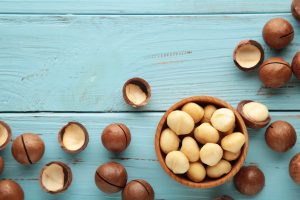
The Journal of Nutritional Science has recently published a study that showed macadamia consumption does not lead to weight gain and may have other positive benefits on cardiometabolic risk factors for overweight and obese adults. The MAC (Macadamia Nut Effects on Adiposity and Cardiovascular Risk Factors) study was a randomized crossover trial led by Dr. Joan Sabaté and conducted by researchers from Loma Linda University in the USA that aimed to analyze how macadamia consumption affects body weight, waist circumference and other cardiometabolic risk factors... [Read more]
Nuts Are Associated with Overall Cardiovascular Disease Risk Reduction
A new study published in Advances in Nutrition set out to examine the relationship between tree nut and peanut consumption and risk factors for cardiovascular disease (CVD) in randomized controlled trials (RCTs). It was the first systematic review and meta-analysis of RCTs to provide a comprehensive picture of whether all or some types of tree nuts and peanuts are preferential for improving CVD risk, and if there is a dose-response relationship. The authors searched the MEDLINE, PubMed, CINAHL and Cochrane Central databases up to September 2021 and included all RCTs that assessed the effects of tree nut... [Read more]
 Data Support the Use of Cranberry Products to Reduce UTI Risk
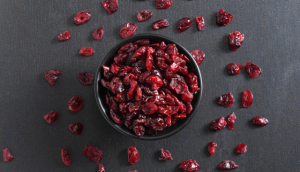
A new study published in the Cochrane Database of Systematic Reviews assessed the effectiveness of cranberry products in preventing urinary tract infections (UTIs) in susceptible populations. The study was the fifth update of a review first published in 1998 and updated in 2003, 2004, 2008 and 2012. The authors searched the Cochrane Kidney and Transplant Register up to March 2023 and included all randomized controlled trials (RCTs) or quasi‐RCTs of cranberry products compared with placebo, no specific treatment or other intervention (antibiotics, probiotics) for the prevention of UTIs... [Read more]
Sustainability News Shared by INC

The INC’s latest sustainability update covers new developments involving the European Union’s Corporate Sustainability Due Diligence (CSDD) proposal, the European Commission’s proposal to revise the existing marketing standards applicable to a number of agri-food products, including nuts and dried fruit, and a recent update to the Nutri-Score algorithm for beverages, which includes the “general foods” and “fats, oils, nuts and seeds” categories. [Read more]
INC Provides Updates on International Trade News

The latest INC trade update covers the new Australia-United Kingdom Free Trade Agreement, the agreement between the United States and the European Union concerning all the tariff-rate quotas (TRQs) included in the EU Schedule CLXXV as a result of the UK’s departure from the EU, and the European Commission’s proposal to renew and broaden the suspension of import duties and quotas on exports from Moldova to the EU for one more year. [Read more]
INC Monitors Latest Food Safety News

In the INC’s latest installment of food safety news, you can read about the agreements reached during the 16th Session of the Codex Committee on Contaminants in Foods, the European Union’s vote to change controls for certain nut and dried fruit products and origins, the re-evaluation of Bisphenol A by the European Food Safety Authority (EFSA), and much more. [Read more]
Labeling Update Shared by INC

The INC’s latest labeling update focuses on the decision by the U.S. Food and Drug Administration (FDA) to extend the public comment period for guidance on plant-based “milk” labels. [Read more]
Marketing Orders: June 2023
USA: Referendum Order for Cranberries Grown in Certain States
This proposed rule by the Agricultural Marketing Service establishes that a referendum will be conducted among eligible cranberry producers to determine whether they favor continuance of the marketing order regulating the handling of cranberries grown in Massachusetts, Rhode Island, Connecticut, New Jersey, Wisconsin, Michigan, Minnesota, Oregon, Washington, and Long Island in New York.
The referendum will be conducted from June 9 through June 30, 2023. Only current producers of cranberries within the production area who also grew cranberries in the production area during the period September 1, 2021, through August 31, 2022, are eligible to vote.

Labeling Update: June 2023
India: Front of the Pack Labeling for Food
According to the Hindustan Times, the Food Safety and Standards Authority of India (FSSAI) is considering the implementation of a front-of-pack label (FOPL) requirement for packaged food products. This FOPL would consist of recognizable symbols indicating the amount of energy, saturated fat, total sugar, sodium, and essential nutrients present per 100 grams or 100 milliliters of the product. While a draft of the regulation was circulated for review and comments in 2022, its progress was halted. However, a new draft of the FOPL regulation might be released in the near future.

Food Safety Update: June 2023
Canada: MRLs Update
| Pesticide | Commodity | MRL (ppm) |
| Florpyrauxifen-benzyl (1) | Hazelnuts | 0.02 |
| Teflubenzuron (2) | Raisins | 1.0 |
(1) Adopted on May 16, 2023. More information
(2) Adopted on May 18, 2023. More information
EU: Mineral Oil Hydrocarbons in Food and Food Contact Materials
The Joint Research Centre (JRC) has released the 2nd edition of the guidance document on sampling, analysis, and data reporting for the monitoring of mineral oil hydrocarbons in food and food contact materials (FCM). The document provides specific recommendations for sampling and analyzing mineral oil saturated hydrocarbons (MOSH) and mineral oil aromatic hydrocarbons (MOAH) in food and FCM, in line with the requirements of Recommendation (EU) 2017/84 for mineral oil monitoring.
The purpose of this guide is to achieve harmonization in the sampling, reporting, integration of MOAH chromatograms, and evaluation of the limit of quantification for MOSH/MOAH content. It also recommends method performance characteristics for MOSH/MOAH analysis and provides relevant literature references.
The acceptance criteria for intermediate precision (also called within‐laboratory precision) when determining MOSH and MOAH in food commodities with different fat content are indicated in the table below. The intermediate precision should be calculated as recommended in the Eurachem guide.
Table. Performance requirements for total MOSH and total MOAH analysis: maximum analytical LOQ (max LOQ) of the method, acceptable ranges for recovery (Rrec) of mineral oil from samples, and relative standard intermediate precision (RSDip):
| Category | Associated foods (#) | Max LOQ [mg/kg] | Rrec range [%] | RSDip [%] |
| Higher fat/oil content
(4% ‐ 50% fat/oil) |
fine bakery ware; confectionery (incl. chocolate) and cocoa; fish meat, fish products (canned fish); oilseeds; pulses; sausages; tree nuts | 1.0 | 80* - 110 | 20 |
(#) In some cases, a shift to another category may be required. This has to be stated and justified for each case.
*Could be lower when applying ALOX for MOSH or EPOX for MOAH.
USA: Organic INTEGRITY Database Trade Partner Module
The U.S. Department of Agriculture (USDA) National Organic Program announced the enhancement of the USDA Organic INTEGRITY Database on May 17, 2023, through the introduction of the Trade Partner Module. This expanded module aims to improve access to reliable data within organic supply chains on a global scale. The database intends to strengthen the safeguarding of the integrity of organic products available in the US.