
Effect of Peanut Paste-based Ready-to-use School Meals With and Without Milk on Fluid Cognition in Northern Ghana: A Randomized Controlled Trial
Background: Few studies have investigated the role of school feeding in low- and middle-income countries as a means of improving childhood cognition. Peanut/milk ready-to-use food (PM-RUF) or cowpea offers an affordable, scalable option that might improve cognition. Objectives: To determine whether micronutrient-fortified PM-RUF or peanut/cowpea ready-to-use food (PC-RUF) would improve fluid cognition as assessed by 4 tests from the National Institutes of Health Toolbox Cognitive Battery when compared with a micronutrient-fortified millet porridge (FP) after a year of school feeding. Methods: An individually randomly assigned, investigator-blinded, controlled clinical trial was conducted at 6 schools in Mion District in rural northern Ghana. Eight hundred seventy-one school children aged 5-12 y were randomly assigned and allocated to receive PM-RUF (n = 282), PC-RUF (n = 292), or FP (n = 297), each providing ∼400 kcal/d. The primary outcomes were 4 fluid cognition test scores: Dimensional Change Card Sort test, Flanker Inhibitory Control and Attention test, Pattern Comparison Processing Speed test, and a modified List Sorting Working Memory test. Secondary outcomes included a composite median ranking of the 4 primary outcomes and anthropometry changes. Results: Among the 871 participants (median age, 8.8 y; 47% female), 795 (91%) completed endline cognitive testing. Median attendance rates exceeded 87% in all groups. PM-RUF group demonstrated better fluid cognition on the Dimensional Change Card Sort test [odds ratio (OR): 1.5; 95% CI: 1.1, 2.0; P = 0.016] and Pattern Comparison Processing Speed test (OR: 1.4; 95% CI: 1.0, 1.9; P = 0.026) than FP, whereas there were no significant differences on Flanker Inhibitory Control and Attention or List Sorting Working Memory tests. PC-RUF group demonstrated no improvement over FP on any cognitive tests. PM-RUF group had superior fluid cognition composite median rankings (OR: 1.5; 95% CI: 1.1, 2.0; P = 0.007). Conclusions: Among rural Ghanaian children aged 5-12 y, PM-RUF compared with FP resulted in superior fluid cognition. This trial was registered at clinicaltrials.gov as NCT04349007.
https://doi.org/10.1016/j.ajcnut.2023.08.001

Yearly attained adherence to Mediterranean diet and incidence of diabetes in a large randomized trial
Background: Several large observational prospective studies have reported a protection by the traditional Mediterranean diet against type 2 diabetes, but none of them used yearly repeated measures of dietary intake. Repeated measurements of dietary intake are able to improve subject classification and to increase the quality of the assessed relationships in nutritional epidemiology. Beyond observational studies, randomized trials provide stronger causal evidence. In the context of a randomized trial of primary cardiovascular prevention, we assessed type 2 diabetes incidence according to yearly repeated measures of compliance with a nutritional intervention based on the traditional Mediterranean diet. Methods: PREDIMED (''PREvención con DIeta MEDiterránea'') was a Spanish trial including 7447 men and women at high cardiovascular risk. We assessed 3541 participants initially free of diabetes and originally randomized to 1 of 3 diets: low-fat diet (n = 1147, control group), Mediterranean diet supplemented with extra virgin olive (n = 1154) or Mediterranean diet supplemented with mixed nuts (n = 1240). As exposure we used actual adherence to Mediterranean diet (cumulative average), yearly assessed with the Mediterranean Diet Adherence Screener (scoring 0 to 14 points), and repeated up to 8 times (baseline and 7 consecutive follow-up years). This score was categorized into four groups: < 8, 8-< 10, 10- < 12, and 12-14 points. The outcome was new-onset type 2 diabetes. Results: Multivariable-adjusted hazard ratios from time-varying Cox models were 0.80 (95% confidence interval, 0.70-0.92) per + 2 points in Mediterranean Diet Adherence Screener (linear trend p = .001), and 0.46 (0.25-0.83) for the highest (12-14 points) versus the lowest (< 8) adherence. This inverse association was maintained after additionally adjusting for the randomized arm. Age- and sex-adjusted analysis of a validated plasma metabolomic signature of the Mediterranean Diet Adherence Screener (constituted of 67 metabolites) in a subset of 889 participants also supported these results. Conclusions: Dietary intervention trials should quantify actual dietary adherence throughout the trial period to enhance the benefits and to assist results interpretation. A rapid dietary assessment tool, yearly repeated as a screener, was able to capture a strong inverse linear relationship between Mediterranean diet and type 2 diabetes. Trial registration ISRCTN35739639. https://doi.org/10.1186/s12933-023-01994-2
Tree Nut and Peanut Consumption and Risk of Cardiovascular Disease: A Systematic Review and Meta-Analysis of Randomized Controlled Trials
Cardiovascular disease (CVD) is the leading cause of death globally. Habitual consumption of tree nuts and peanuts is associated with cardioprotective benefits. Food-based dietary guidelines globally recommend nuts as a key component of a healthy diet. This systematic review and meta-analysis were conducted to examine the relationship between tree nut and peanut consumption and risk factors for CVD in randomized controlled trials (RCTs) (PROSPERO: CRD42022309156). MEDLINE, PubMed, CINAHL, and Cochrane Central databases were searched up to 26 September, 2021. All RCT studies that assessed the effects of tree nut or peanut consumption of any dose on CVD risk factors were included. Review Manager software was used to conduct a random effect meta-analysis for CVD outcomes from RCTs. Forest plots were generated for each outcome, between-study heterogeneity was estimated using the I2 test statistic and funnel plots and Egger's test for outcomes with ≥10 strata. The quality assessment used the Health Canada Quality Appraisal Tool, and the certainty of the evidence was assessed using grading of recommendations assessment, development, and evaluation (GRADE). A total of 153 articles describing 139 studies (81 parallel design and 58 cross-over design) were included in the systematic review, with 129 studies in the meta-analysis. The meta-analysis showed a significant decrease for low-density lipoprotein (LDL) cholesterol, total cholesterol (TC), triglycerides (TG), TC:high-density lipoprotein (HDL) cholesterol, LDL cholesterol:HDL cholesterol, and apolipoprotein B (apoB) following nut consumption. However, the quality of evidence was "low" for only 18 intervention studies. The certainty of the body of evidence for TC:HDL cholesterol, LDL cholesterol:HDL cholesterol, and apoB were "moderate" because of inconsistency, for TG were "low," and for LDL cholesterol and TC were "very low" because of inconsistency and the likelihood of publication bias. The findings of this review provide evidence of a combined effect of tree nuts and peanuts on a range of biomarkers to create an overall CVD risk reduction.
https://doi.org/10.1016/j.advnut.2023.05.004
Perspective: Challenges and Future Directions in Clinical Research with Nuts and Berries
Consumption of nuts and berries are considered part of a healthy eating pattern. Nuts and berries contain a complex nutrient profile consisting of essential vitamins and minerals, fiber, polyunsaturated fatty acids, and phenolics in quantities that improve physiological outcomes. The spectrum of health outcomes that may be impacted by the consumptions of nuts and berries includes cardiovascular, gut microbiome, and cognitive, among others. Recently, new insights regarding the bioactive compounds found in both nuts and berries have reinforced their role for use in precision nutrition efforts. However, challenges exist that can affect the generalizability of outcomes from clinical studies, including inconsistency in study designs, homogeneity of test populations, variability in test products and control foods, and assessing realistic portion sizes. Future research centered on precision nutrition and multi-omics technologies will yield new insights. These and other topics such as funding streams and perceived risk-of-bias were explored at an international nutrition conference focused on the role of nuts and berries in clinical nutrition. Successes, challenges, and future directions with these foods are presented here. https://doi.org/10.1016/j.advnut.2023.07.010
September 2023 News Brief
India’s Removal of Retaliatory Tariffs on US Walnuts Comes into Force
The move comes in parallel with the lifting of retaliatory tariffs on almonds
 According to a recent USDA GAIN report, India’s retaliatory tariffs on US walnuts have been removed as of September 6, 2023. The tariff rate has therefore returned to 100% for in-shell walnuts. Tariffs on shelled walnuts remain unchanged. The agreement to eliminate the retaliatory tariffs was announced by the two countries on June 22, 2023, during Indian Prime Minister Narendra Modi’s official state visit to the United States. The agreement includes the removal of retaliatory tariffs, which India had imposed in June 2019… [Read more]
Promote Your Brand through Sponsorship Opportunities
Discover ways to expose your brand in front of a niche audience!
 Become a sponsor or exhibitor at INC Congress to guarantee your brand receives visibility among numerous professionals in the INC network via pre-event communications, websites, and over 1,300 expected attendees in Vancouver! Take advantage of an environment fully oriented to the nut and dried fruit industry, and don't miss out on this fantastic opportunity. [Sponsorship opportunities]
Don’t Miss the Chance to Enroll in this Year’s INC Academia
The premier industry training programs are just a click away!
 The INC Academia is the best way to get an overview of the nut and dried fruit industry, with courses on many topics ranging from the basics to more advanced. This wonderful opportunity enables you and your employees to get a look into the ins and outs of the nut and dried fruit industry. Until October 15, you can take advantage of early bird prices and improve your or your team's knowledge of the sector! [Discover more] [Enroll now]
INC Sponsors Health Symposium at 14th Asian Congress of Nutrition
Leading experts discussed nut consumption and the prevention of prevalent diseases/conditions
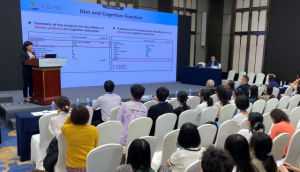
Earlier this month, the INC sponsored a symposium entitled “Nut Consumption and the Prevention of Prevalent Diseases/Conditions” as part of the 14th Asian Congress of Nutrition (ACN). Held in a different Asian city every four years, the ACN is organized by the Federation of Asian Nutrition Societies (FANS) and is one of the region’s most important gatherings of nutrition experts. With a congress theme of “Feeding the Future by Sustainable Nutrition,” this year’s event took place in Chengdu, China, from September 14-17. [Read more]
Nut-Containing Diet Associated with Lower Risk of Heart Disease and Death
Higher intake of six key foods —including nuts— is linked to lower risk of major cardiovascular events and all-cause mortality
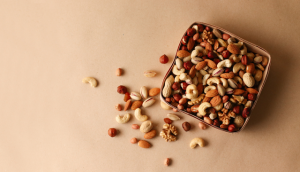 In a recent study published in the European Heart Journal, researchers developed a healthy diet score using data from the Prospective Urban Rural Epidemiology (PURE) study and set out to determine whether this score is consistently associated with better health outcomes across different regions of the world and predictive of outcomes in people both with and without vascular disease or diabetes. The PURE study, which included 147,642 people from 21 countries and had a median follow-up time of 9.3 years, formed the basis of the PURE healthy diet score. Ranging from 0 (worst) to 6 (best) points, the PURE... [Read more]
Nut Consumption Linked to Lower Risk of Death in People with Type 2 Diabetes
Eating nuts was associated with a 18% to 22% decrease in all-cause mortality risk
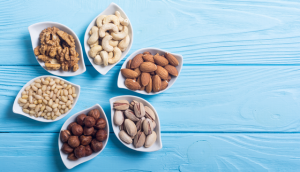
In a new study published in the Journal of Nutrition, researchers set out to investigate the associations of nut consumption with all-cause mortality among adults with type 2 diabetes. This prospective cohort study included a total of 5,090 US-based participants with type 2 diabetes from the National Health and Nutrition Examination Survey (1999-2014), which was designed to assess the health and nutritional status of adults and children in the United States. Statistical analysis showed that higher nut consumption was significantly associated with a lower risk of all-cause mortality... [Read more]
Study Finds Eating a Walnut-Enriched Diet During Pregnancy Improves Child Neurodevelopment
Maternal nutrition plays a key role in neurodevelopmental outcomes
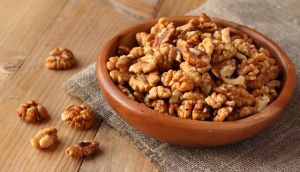
In a study published in JAMA Network Open, researchers tested the hypothesis that structured interventions based on a Mediterranean diet during pregnancy could improve child neurodevelopment at two years of age. The study consisted of a prespecified analysis of a parallel-group randomized clinical trial conducted at a university hospital in Barcelona. A total of 1,221 pregnancies with high risk of delivering newborns who were small for gestational age were randomly assigned to three groups: a Mediterranean diet intervention, a mindfulness-based stress reduction program, or usual pregnancy care per institutional protocols. [Read more]
Pistachio Consumption May Alleviate Post-Exercise Muscle Soreness
High-dose pistachio intake was associated with lower quadriceps soreness during recovery
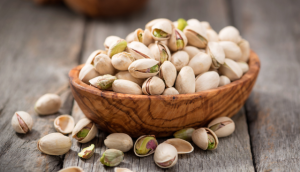
A study published in the European Journal of Sport Science investigated the impact of pistachio consumption on muscle soreness and function following exercise-induced muscle damage. A total of 18 physically active men were assigned to three groups and instructed to consume either a standard daily dose (42.5 g) of pistachios, a higher daily dose (85 g) of pistachios or, in the case of the control group, water. On completion of the two-week intervention period, participants performed a 40-minute treadmill run to induce muscle damage. Trials were administered in a randomized crossover fashion with a minimum three-week washout… [Read more]
INC Shares Sustainability News

In the INC’s latest sustainability update, you can read about the European Commission’s proposal on the Corporate Sustainability Due Diligence Directive (CSDDD), which is in the process of trilogue negotiations between the Council, the Parliament and the Commission, as well as the Commission’s legislative proposal on sustainability reporting standards and proposal for a new Directive on Soil Monitoring and Resilience. [Read more]
INC Monitors Latest International Trade News

The latest INC trade update covers the decision by the Panama Canal to extend transit restrictions amid historically low rainfall levels in the region; the draft East African Standards on cashew flour, peanut flour and macadamias; bilateral discussions between the US Secretary of Commerce and the Chinese Minister of Commerce; and more. [Read more]
Food Safety News Shared by INC

The INC’s latest food safety update includes information about China’s revised Measures for Supervision and Administration of Quality and Safety of Edible Agricultural Products in Markets; new maximum residue levels in the European Union for several pesticides in or on certain products, including nuts and fruits; and the upcoming introduction of new sanitary and phytosanitary controls on goods from the European Union entering the United Kingdom. [Read more]
INC Shares Labeling News

The INC’s latest installment of labeling news includes new food allergen labeling guidance issued by the UK Food Standards Agency, which recommends several changes in relation to how food businesses should use Precautionary Allergen Labels, as well as new rules proposed by Thailand for expiration dates and allergen warnings on prepackaged foods. [Read more]
INC Provides Updates on Marketing Orders
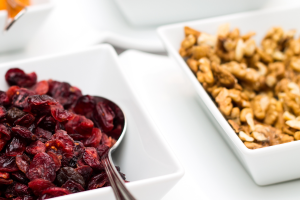
The INC’s latest marketing orders update covers the announcement by the U.S. Department of Agriculture of the results of a referendum on the federal marketing order for cranberries, as well as six amendments to the federal marketing order regulating the handling of walnuts grown in California. [Read more]
Genetic diversity of Salmonella enterica isolated over 13 years from raw California almonds and from an almond orchard
A comparative genomic analysis was conducted for 171 Salmonella isolates recovered from raw inshell almonds and raw almond kernels between 2001 and 2013 and for 30 Salmonella Enteritidis phage type (PT) 30 isolates recovered between 2001 and 2006 from a 2001 salmonellosis outbreak-associated almond orchard. Whole genome sequencing was used to measure the genetic distance among isolates by single nucleotide polymorphism (SNP) analyses and to predict the presence of plasmid DNA and of antimicrobial resistance (AMR) and virulence genes. Isolates were classified by serovars with Parsnp, a fast core-genome multi aligner, before being analyzed with the CFSAN SNP Pipeline (U.S. Food and Drug Administration Center for Food Safety and Applied Nutrition). Genetically similar (≤18 SNPs) Salmonella isolates were identified among several serovars isolated years apart. Almond isolates of Salmonella Montevideo (2001 to 2013) and Salmonella Newport (2003 to 2010) differed by ≤9 SNPs. Salmonella Enteritidis PT 30 isolated between 2001 and 2013 from survey, orchard, outbreak, and clinical samples differed by ≤18 SNPs. One to seven plasmids were found in 106 (62%) of the Salmonella isolates. Of the 27 plasmid families that were identified, IncFII and IncFIB plasmids were the most predominant. AMR genes were identified in 16 (9%) of the survey isolates and were plasmid encoded in 11 of 16 cases; 12 isolates (7%) had putative resistance to at least one antibiotic in three or more drug classes. A total of 303 virulence genes were detected among the assembled genomes; a plasmid that harbored a combination of pef, rck, and spv virulence genes was identified in 23% of the isolates. These data provide evidence of long-term survival (years) of Salmonella in agricultural environments. https://doi.org/10.1371/journal.pone.0291109
Walnut Flour as an Ingredient for Producing Low-Carbohydrate Bread: Physicochemical, Sensory, and Spectroscopic Characteristics
Walnut flour (WF) is a nutrient-rich source that can be used as an alternative for individuals on a gluten-free diet. This study aimed to assess the physical, chemical, and sensory changes in low-carbohydrate bread when supplemented with WF. Molecular-level changes were also examined using ATR-FTIR spectra. The bread recipe, containing buckwheat and flaxseed, was enriched with WF at levels ranging from 5% to 20%. The addition of WF resulted in increased loaf volume and decreased baking loss. Enriched bread samples showed higher protein content, while fat and available carbohydrate content decreased. Additionally, WF incorporation led to a decrease in crumb brightness and an increase in redness (from 23.1 to 25.4) and yellowness (from 23.8 to 26.7). WF also increased crumb hardness and chewiness. Moreover, the tested additives primarily influenced the intensity of FTIR spectra, indicating changes in protein, carbohydrate, and fat content, with increased band intensity observed in the protein region. We particularly recommend bread with a WF content of 15%. This type of bread is characterized by high consumer acceptance. Furthermore, compared to bread without the addition of WF, it has a higher content of phenolic compounds, protein, and fat by approximately 40%, 8%, and 4%, respectively. The antioxidant activity of this bread, determined using the ABTS and DPPH methods, is also significantly higher compared to the control bread. https://doi.org/10.3390/foods12173320

India’s Removal of Retaliatory Tariffs on US Walnuts Comes into Force
The move comes in parallel with the lifting of retaliatory tariffs on almonds
According to a recent USDA GAIN report, India’s retaliatory tariffs on US walnuts have been removed as of September 6, 2023. The tariff rate has therefore returned to 100% for in-shell walnuts. Tariffs on shelled walnuts remain unchanged.
| Description | Rates under retaliatory tariffs | New tariff rates |
| In-shell walnuts | 120% | 100% |
| Shelled walnuts | 100% | 100% |
The agreement to eliminate the retaliatory tariffs was announced by the two countries on June 22, 2023, during Indian Prime Minister Narendra Modi’s official state visit to the United States. The agreement includes the removal of retaliatory tariffs, which India had imposed in June 2019 in response to the US Section 232 national security measures on steel and aluminum, on certain US products, including walnuts.
The elimination of these tariffs opens up a new chapter of bilateral cooperation that will deepen and diversify the trade relationship between the United States and India.
For information about the removal of retaliatory tariffs on almonds, click here.
Whole genome analysis of Bacillus amyloliquefaciens TA-1, a promising biocontrol agent against Cercospora arachidicola pathogen of early leaf spot in Arachis hypogaea L
Background: Early leaf spot disease, caused by Cercospora arachidicola, is a devastating peanut disease that has severely impacted peanut production and quality. Chemical fungicides pollute the environment; however, Bacillus bacteria can be used as an environmentally friendly alternative to chemical fungicides. To understand the novel bacterial strain and unravel its molecular mechanism, De novo whole-genome sequencing emerges as a rapid and efficient omics approach. Results: In the current study, we identified an antagonistic strain, Bacillus amyloliquefaciens TA-1. In-vitro assay showed that the TA-1 strain was a strong antagonist against C. arachidicola, with an inhibition zone of 88.9 mm. In a greenhouse assay, results showed that the TA-1 strain had a significant biocontrol effect of 95% on peanut early leaf spot disease. De novo whole-genome sequencing analysis, shows that strain TA-1 has a single circular chromosome with 4172 protein-coding genes and a 45.91% guanine and cytosine (GC) content. Gene function was annotated using non-redundant proteins from the National Center for Biotechnology Information (NCBI), Swiss-Prot, the Kyoto Encyclopedia of Genes and Genomes (KEGG), clusters of orthologous groups of proteins, gene ontology, pathogen-host interactions, and carbohydrate-active enZYmes. antiSMASH analysis predicted that strain TA-1 can produce the secondary metabolites siderophore, tailcyclized peptide, myxochelin, bacillibactin, paenibactin, myxochelin, griseobactin, benarthin, tailcyclized, and samylocyclicin. Conclusion: The strain TA-1 had a significant biological control effect against peanut early leaf spot disease in-vitro and in greenhouse assays. Whole genome analysis revealed that, TA-1 strain belongs to B. amyloliquefaciens and could produce the antifungal secondary metabolites. https://doi.org/10.1186/s12870-023-04423-4
Efficacy of the biocontrol agent Trichoderma hamatum against Lasiodiplodia theobromae on macadamia
Macadamia (Macadamia integrifolia) trees are an important source of revenue in rainforest ecosystems. Their nuts are rich in vitamins, minerals, fiber, antioxidants, and monounsaturated oils. The fungus Lasiodiplodia theobromae, however, is a major disease problem, causing kernel rot and other disease symptoms. In the present study, a dual confrontation assay was used to evaluate the inhibitory effect of an endophytic strain of Trichoderma hamatum C9 from macadamia root against L. theobromae. Volatiles and cell-free culture filtrate of T. hamatum were also used to assess their antifungal activity against L. theobromae. Results suggested that T. hamatum exhibited a significant inhibitory effect against L. theobromae in vitro. Further results of a biocontrol assay indicated that a spray treatment of T. hamatum conidial suspension significantly decreased the size of lesions caused by artificially inoculated L. theobromae on macadamia leaves, as well as the disease index in young trees inoculated with L. theobromae, relative to sterile water controls. Collectively, our findings indicate that T. hamatum C9 represents a potential biocontrol agent that can be used to manage L. theobromae on macadamia. https://doi.org/10.3389/fmicb.2022.994422