
Evaluation of hazelnut production in Türkiye in environment, energy and economy using life cycle assessment approach
The aim of the present study was to evaluate the environmental impacts of hazelnut cultivation in Ordu province of Türkiye, which ranks first in world hazelnut production. Thus, a cradle-to-gate life cycle assessment (LCA) was implemented to analyze the environmental impact potentials determined as acidification potential (AP), eutrophication potential (EP), and global warming potential (GWP). Additionally, energy use efficiency and economic analysis were identified. Data were collected from fifteen farmers cultivating in the same region and performing the same cultural practices by conducting a face-to-face questionnaire during the period of 2019-2020. LCA results showed that all environmental impacts and energy use of hazelnut production in the region were dominated by synthetic fertilizer. According to the results of the economic analysis, human labor had the highest share (52.7 % as a minimum) with 6.2 TRY kg-1 and 5550.0 TRY ha-1, although it was not included in the environmental impact category. Harvesting had the largest share in economic costs, but it was the most challenging cultural practice as it was carried out under difficult conditions (slope up to 70 %, hot weather) and depended only on human labor. This study provides a basis for future studies and recommends solutions for agricultural sustainability in hazelnut production. The foremost step taken should be to use fertilizer according to soil analysis and to encourage organic fertilizer use. Future studies should examine the relationship between fertilizer use and hazelnut yield. Also, the use of manpower tools without fossil fuels could overcome the challenges as an environmentally friendly solution for harvesting. https://doi.org/10.1016/j.scitotenv.2023.164468

Chromosome-scale genome assembly of the rusty patched bumble bee, Bombus affinis (Cresson) (Hymenoptera: Apidae), an endangered North American pollinator
The rusty patched bumble bee, Bombus affinis, is an important pollinator in North America and a federally listed endangered species. Due to habitat loss and large declines in population size, B. affinis is facing imminent extinction unless human intervention and recovery efforts are implemented. To better understand B. affinis biology and population genetic and genomic landscapes, we sequenced and assembled the B. affinis genome from a single haploid male. Whole genome HiFi sequencing on PacBio coupled with HiC sequencing resulted in a complete and highly contiguous contig assembly that was scaffolded into a chromosomal context, resolving 18 chromosomes distributed across the 365.1 Mb assembly. All material for both HiFi and HiC sequencing was derived from a single abdominal tissue segment from the single male. These assembly results, coupled with the minimal amount of tissue destructively sampled, demonstrate methods for generating contiguous and complete genomic resources for a rare and endangered species with limited material available and highlight the importance of sample preservation. Precise methods and applications of these methods are presented for potential applications in other species with similar limitations in specimen availability and curation considerations. https://doi.org/10.1093/g3journal/jkad119
Blue orchard bee (Hymenoptera: Megachilidae) origin and orchard growing region affect female retention at artificial nest sites in cherry orchards
The blue orchard bee, Osmia lignaria Say (Hymenoptera: Megachilidae), is a solitary, cavity-nesting species used for pollinating spring blooming crops. Commercial stocks are sourced from a few locations in the western United States but are sold across the country. However, the existence of local adaptations of these bees is unknown, such as the propensity to nest in nearby provided materials or to disperse broadly beyond release sites. In spring 2019, California- and Utah-sourced blue orchard bees were introduced into cherry orchards in both source and reciprocal states. Nest boxes were placed near (within 78 m) and far (500 m-1 km) from central bee release points. Paint-marked bees were released when floral resources were available. Observations of marked bees at nest boxes were used to evaluate female retention and dispersal pattern. Nesting bee counts in March-blooming California orchards revealed a significant difference in female retention by population source; over twice as many UT bees established nests than did CA bees. Few females were found at far nest sites. In May-blooming Utah orchards, counts of CA and UT bees were similar at near and far nest sites; neither female retention nor dispersal was significantly affected by bee origin. It is concerning that CA females were less likely to be retained in California orchards because the demand for commercial pollination is high for early-blooming California almond and cherry. Our results highlight the need to understand potential consequences of bee origin and their management on pollinator performance and reproduction in target crops. https://doi.org/10.1093/ee/nvad057
Trend Analysis of Different Climate Parameters and Watering Requirements for Hazelnut in Central Italy Related to Climate Change
In this study, the effects of climate change on the irrigation water requirement of hazelnut trees were investigated in Central Italy. The meteorological variables considered were precipitation, temperature, chilling units, and the Standardized Precipitation Index (SPI) in Central Italy. The hydrological variables were the reference evapotranspiration (ET0) and the water requirement based on soil water balance. Climate data were collected from eight meteorological stations for the period 1974–2021, and ET0 was estimated by the Hargreaves and Samani equation. The SPI index was calculated for a four-month time scale corresponding to the hazelnut growing season (April–August). A statistical analysis of the trends of the variables considered was conducted. The results showed an increasing trend for temperature, ET0, and water requirements, while a decreasing trend was shown for the chilling units. No significant trends were detected for precipitation and SPI. https://doi.org/10.3390/horticulturae9050593
Fruit Phenology of Two Hazelnut Cultivars and Incidence of Damage by Halyomorpha halys in Treated and Untreated Hazel Groves
Over the past decade, Halyomorpha halys has become one of the main threats to hazelnut production. Its trophic activity makes kernels inedible due to strongly detrimental effects on the organoleptic quality. Its management in Italy is still tricky due to the lack of effective native biocontrol agents and authorized and effective insecticides. A field test was performed on San Giovanni (SG) and Tonda Romana (TR) cultivars (early and late ripening, respectively) to assess the intensity of cimiciato damage with different pest management approaches (no insecticide and integrated pest management, IPM). Moreover, phenological analysis of fruits and the monitoring of stink bug species by traps and plant beating were carried out. In the untreated plots, the SG cv showed a higher cimiciato incidence with respect to the late TR cv (40% SG–NI vs. 23% TR–NI). This was probably due to the different phenological phases in which stink bugs injured the fruits. In fact, stink bug bites provoke different kinds of injuries (blanks, shriveled, and cimiciato) according to the fruit’s development period. Indeed, in the period of highest insect occurrence in the field, the fruits of the early cv (SG) were in kernel expansion, a phenological phase in which bug injuries are more likely in cimiciato defects. Lastly, the IPM did not provide sufficient fruit protection (19% SG–IPM vs. 11% TR–IPM). The interaction between the phenological development of hazelnuts and the brown marmorated stink bug represents a critical aspect in understanding and implementing effective strategies for controlling this key pest on hazelnut trees. https://doi.org/10.3390/horticulturae9060727
June 2023 News Brief
Relive the Best Moments from the INC Congress in London!
The best event for the entire nut and dried fruit industry
Have a look at some of the best moments from the XL World Nut and Dried Fruit Congress. See what went on during the round tables, social events, and much more! It was an unforgettable three days of learning, networking, and doing business while discussing our wonderful industry's future. [Watch video]
Missed Something? Watch the Videos and Presentations from Each Session!
Available online for congress participants
The Congress is still the talk of the town for the nut and dried fruit industry. Therefore, as discussions and information are still in high demand, don't miss out and rewatch the sessions you loved the most or catch up on the ones you missed. In the round tables, industry leaders highlighted the need to create demand worldwide through innovative new product concepts and make sure you don't miss what our two keynotes had to say. [See the sessions now]
Check Out the Official Photos!
Take a look at the beautiful photos from the three days
We want to thank everyone who made the congress a massive success and invite you all to have a look at the stunning photos captured over the three days. The event brought together 1,300 professionals from 65 countries to share amazing moments together. Check out the official collection of images from London and relive the highlights from each day of the congress. [See the congress pictures]
India Removes Retaliatory Tariffs on US Almonds and Walnuts
The agreement will expand market opportunities for US suppliers
On June 22, 2023, the United States and the Republic of India announced an agreement to terminate six outstanding trade disputes. The agreement includes the removal of retaliatory tariffs, which India had imposed in response to the US Section 232 national security measures on steel and aluminum, on certain US products including almonds and walnuts. The announcement came as US President Joe Biden welcomed Indian Prime Minister Narendra Modi to the United States for an official state visit. [Read more]
INC Participates in the UN Agricultural Quality Standards Meeting
Member countries comment on sulfur dioxide in dried apricots
The INC attended the 70th session of the United Nations Economic Commission for Europe (UNECE), Specialized Section on Standardization of Dry and Dried Produce, in Geneva, Switzerland, on June 12-14. The INC delegation participated actively by providing insights and expert comments. Member States reviewed the new standards for in-shell pecans and pecan kernels, the existing standards for cashew kernels, and raw and roasted peanut kernels, and the explanatory posters for the commercial quality of several nuts and dried fruits. [Read more]
Frequent Nut Consumption Associated with Smaller Cognitive Decline
Participants who consum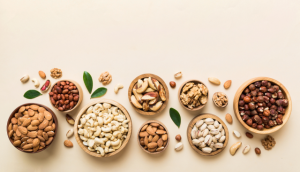 ed three or more servings per week showed more favorable changes
In a recent study published in the American Journal of Clinical Nutrition, researchers prospectively evaluated the association between nut consumption and two-year changes in cognitive performance in older adults at risk of cognitive decline. The study used data from the PREDIMED-Plus cohort. A total of 6,630 participants 55 to 75 years of age with overweight/obesity and metabolic syndrome completed a food frequency questionnaire and a comprehensive battery of neuropsychological tests at baseline and after two years of follow-up. [Read more]
Pistachios Have Key Role to Play in Meeting Protein Demands
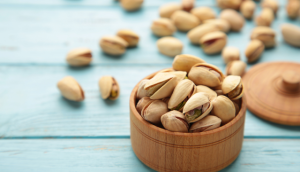
This plant-based complete protein provides numerous nutrients and phytochemicals
A recent article published in Nutrients reviews the protein science related to pistachios. The paper explains how this nut can contribute to daily protein intakes and amino acid profiles as part of a shift towards plant-based protein sources. The authors show that pistachios are a plant-based complete protein that provides all nine essential amino acids in addition to an array of nutrients and phytochemicals. They explain that raw and roasted pistachios have a… [Read more]
Antioxidant and Anti-Inflammatory Properties of Walnuts
They offer a simple, cost-effective strategy for obtaining wide-ranging health benefits
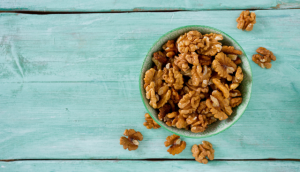
A recent article published in Antioxidants reviewed the latest information on the potential anti-cancer and antioxidant properties of walnuts and how they may be incorporated into the diet to provide additional health benefits. Particular emphasis was placed on the anti-inflammatory properties of walnuts and the potential modulation of the gut microbiome as relates to disease risk. A total of 33 studies were included in the review, including clinical trials, preclinical models and cell culture systems… [Read more]
INC Shares Sustainability News

The INC’s latest sustainability update includes the approval by the Council of the EU of a new regulation on deforestation and forest degradation, the European Food Safety Authority’s reevaluation of the guidance document for evaluating the potential risks to honey bees, bumble bees, and solitary bees from plant protection products, and the International Society for Horticultural Science’s VIII edition of the International Symposium on Almonds and Pistachios. [Read more]
INC Provides Updates on International Trade News

The latest INC trade update covers the fifth year of implementation of the U.S.-Japan Trade Agreement (USJTA), the agreement reached by the United Kingdom to become a member of the Comprehensive and Progressive Agreement for Trans-Pacific Partnership (CPTPP), and the European Commission’s Implementing Regulation (EU) 2023/979, which officially registers the name “Nueces de Nerpio”—referring to dried walnuts from a specific local walnut tree variety— as a protected designation of origin (PDO). [Read more]
Food Safety News Shared by INC

In the INC’s latest installment of food safety news, you can read about the 2nd edition of a guidance document by the European Commission’s Joint Research Centre on sampling, analysis, and data reporting for the monitoring of mineral oil hydrocarbons in food and food contact materials. This update also includes information about maximum residue levels established by Canada and the announcement by the U.S. Department of Agriculture’s National Organic Program about the enhancement of the USDA Organic INTEGRITY Database through the introduction of the Trade Partner Module. [Read more]
INC Monitors Latest Labeling News

The INC’s latest labeling update shares news that the Food Safety and Standards Authority of India (FSSAI) is considering the implementation of a front-of-pack label (FOPL) requirement for packaged food products. [Read more]
INC Shares News on Marketing Orders
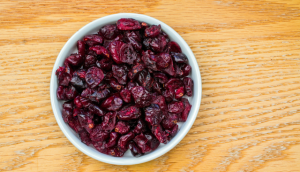 The INC’s latest marketing orders update focuses on a rule proposed by the U.S. Department of Agriculture’s Agricultural Marketing Service establishing that a referendum will be conducted among eligible cranberry producers to determine whether they favor continuance of the marketing order regulating the handling of cranberries grown in several US states. [Read more]
INC Participates in the UN Agricultural Quality Standards Meeting
Member countries comment on sulfur dioxide in dried apricots
The INC attended the 70th session of the United Nations Economic Commission for Europe (UNECE), Specialized Section on Standardization of Dry and Dried Produce, in Geneva, Switzerland, on June 12-14. The INC delegation participated actively by providing insights and expert comments.
Member States reviewed the new standards for in-shell pecans and pecan kernels, the existing standards for cashew kernels, and raw and roasted peanut kernels, and the explanatory posters for the commercial quality of several nuts and dried fruits. Among other future works, the INC will lead a group that will produce guidelines for reducing food loss and waste.
The delegate of the European Commission informed about the re-evaluation of sulfur dioxide-sulfite content in food by the European Food Safety Authority (EFSA), which concluded that the current levels of sulfur dioxide-sulfite usage may be a cause for concern. However, the available toxicity data was insufficient to establish an Acceptable Daily Intake (ADI) level, and they used a margin-of-exposure approach. EFSA also concluded that, for the majority of the population, dried fruits are not the main contributors to sulfite exposure. There was a rich discussion on the issue with several delegations expressing concern as there are no viable alternatives to sulfites that can achieve the same results. They are highly effective at preventing spoilage, extending the shelf life and preserving the color of the fruit. The INC delegation also expressed concern, as lowering the maximum levels in dried apricots would trigger a major trade disruption without achieving the intended purpose.
The INC delegation also met with representatives of the World Trade Organization (WTO) to discuss global trade and industry statistics, and with the UNECE/FAO Forestry and Timber Section to exchange views on forest protection and reforestation in regards to the INC sustainability project on reforestation.

India Removes Retaliatory Tariffs on US Almonds and Walnuts
The agreement will expand market opportunities for US suppliers
On June 22, 2023, the United States and the Republic of India announced an agreement to terminate six outstanding trade disputes. The agreement includes the removal of retaliatory tariffs, which India had imposed in response to the US Section 232 national security measures on steel and aluminum, on certain US products including almonds and walnuts. The announcement came as US President Joe Biden welcomed Indian Prime Minister Narendra Modi to the United States for an official state visit.
The retaliatory tariffs, which had been in force since June 2019, affected in-shell walnuts and in-shell and shelled almonds, among other US-origin products.
| Description | Tariff Rates under Retaliatory Tariffs | New Tariff Rates |
| In-shell walnuts | 120% | 100% |
| Shelled walnuts | 100% | 100% |
| In-shell almonds | Rs. 42/kg | Rs. 35/kg |
| Shelled almonds | Rs. 120/kg | Rs. 100/kg |
The elimination of these tariffs is expected to restore and expand market opportunities for US agricultural producers and manufacturers.
In line with the close partnership highlighted by the official state visit of Prime Minister Modi, the agreement opens a new chapter of bilateral cooperation that is expected to deepen and diversify the trade relationship between the United States and India.
Antioxidant and Anti-Inflammatory Properties of Walnuts
They offer a simple, cost-effective strategy for obtaining wide-ranging health benefits
A recent article published in Antioxidants reviewed the latest information on the potential anti-cancer and antioxidant properties of walnuts and how they may be incorporated into the diet to provide additional health benefits. Particular emphasis was placed on the anti-inflammatory properties of walnuts and the potential modulation of the gut microbiome as relates to disease risk.
A total of 33 studies were included in the review, including clinical trials, preclinical models and cell culture systems, providing a general overview of the bioactive properties of walnuts and their constituents.
The review found that walnuts contain a remarkable array of micronutrients and phytochemicals that exhibit a wide range of health benefits, including protection against inflammation and various forms of cancer. The paper showed that walnuts are a rich source of polyunsaturated fatty acids, tocopherols, antioxidant polyphenols, phytosterols and active prebiotics, as well as fiber that generates short chain fatty acids, which are metabolic products that can reduce cancer risk. The authors concluded that the incorporation of walnuts into the diet may offer a simple, cost-effective strategy for providing wide-ranging health benefits.
The California Walnut Commission provided funding for this study.
Fan, N., Fusco, J. L., & Rosenberg, D. W. (2023). Antioxidant and Anti-Inflammatory Properties of Walnut Constituents: Focus on Personalized Cancer Prevention and the Microbiome. Antioxidants, 12(5), 982.
Pistachios Have Key Role to Play in Meeting Protein Demands
This plant-based complete protein provides numerous nutrients and phytochemicals
A recent article published in Nutrients reviews the protein science related to pistachios. The paper explains how this nut can contribute to daily protein intakes and amino acid profiles as part of a shift towards plant-based protein sources.
The authors show that pistachios are a plant-based complete protein that provides all nine essential amino acids in addition to an array of nutrients and phytochemicals. They explain that raw and roasted pistachios have a Protein Digestibility-Corrected Amino Acid Score (PDCAAS) of 73% and 81%, respectively. The paper reviews the evidence on the health benefits of pistachios, specifically in the areas of body weight, diabetes, heart health and cancer. It also provides an overview of the recommended intakes of tree nuts and notes that pistachios do not always have a clear place within dietary guidelines.
The authors conclude that pistachios have a key role to play in terms of providing good-quality, ready-to-eat, plant-based protein; that pistachio intake is associated with various promising health benefits; and that consumption of these nuts has the potential to alleviate pressure from other food protein production methods that contribute to environmental strain.
American Pistachio Growers provided funding for this paper.
Derbyshire, E., Higgs, J., Feeney, M. J., & Carughi, A. (2023). Believe It or ‘Nut’: Why It Is Time to Set the Record Straight on Nut Protein Quality: Pistachio (Pistacia vera L.) Focus. Nutrients, 15(9), 2158.