
Pecan-enriched diet improves cholesterol profiles and enhances postprandial microvascular reactivity in older adults.
Pecan-enriched diets have been linked to improved lipid metabolism; however, the impact of pecans on vascular health has yet to be examined. We hypothesized that 4 weeks of a pecan-enriched diet would improve fasting and postprandial blood lipids and vascular function compared with a nut-free diet. In this randomized control study, 44 older adults (59 ± 6 years) consumed 68 g of pecans/d (pecan; n = 21) or avoided all nuts (control; n = 23) for 4 weeks. At pre- and post-diet visits, fasting and postprandial blood lipids, macrovascular (by flow-mediated dilation), and microvascular (tissue saturation index reactive hyperemia [RH] kinetics by continuous-wave near-infrared spectroscopy) function were assessed. From the pre- to post-diet visit, there were greater reductions in fasting total cholesterol (pecan: –14 ± 4.0 vs control: –0.2 ± 5.4 mg/dL; P = .04), low-density lipoprotein (LDL) cholesterol (pecan: –15 ± 3.7 vs control: +1.9 ± 4.4 mg/dL; P = .01), non–high-density lipoprotein cholesterol (pecan: –15 ± 3.6 vs control: –0.5 ± 4.8 mg/dL; P = .02), LDL particle number (pecan: –126 ± 51 vs control: +43 ± 42 nmol/L; P = .01), and LDL medium (pecan: –34 ± 13 vs control: +16 ± 11 nmol/L; P < .01), for pecan vs control. Further, postprandial triglyceride was suppressed for pecan (P = .01) compared with control (P = .78). Postprandial RH slope (P = .04) and RH time to half (P = .004) was different by group, driven by improvements in pecan vs control. However, fasting macro- and microvascular function was unaffected. Daily pecan consumption for 4 weeks improved fasting and postprandial blood lipids and microvascular reactivity in older adults. Because changes in microvascular function typically precipitate macrovascular changes, long-term pecan consumption may improve vascular health and reduce risk for cardiovascular events. https://doi.org/10.1016/j.nutres.2023.01.001

The metabolizable energy and lipid bioaccessibility of tree nuts and peanuts: a systematic review with narrative synthesis of human and in vitro studies.
Nuts are an energy-dense food, yet regular consumption is not associated with weight gain. A proportion of the fats found within nuts remains encapsulated within cell walls and cannot be digested. Metabolizable energy can be explored by measuring fecal fat excretion in human studies, and fat release among in vitro studies. This systematic review with narrative synthesis aimed to examine the metabolizable energy of tree nuts and peanuts (PROSPERO CRD42021252287). PubMed, MEDLINE, CINAHL, Cochrane, and Embase databases were searched to June 2021. Both in vitro and human studies (adults ≥18 years) were included. Data was synthesised via narrative synthesis with results reported in summary tables and compared between form, processing, and dose of nuts, where available. Twenty-one studies were included. The metabolizable energy of nuts was consistently lower than that predicted by Atwater factors for investigated nut types (almonds, cashews, hazelnuts, pistachios, walnuts, and peanuts). The mechanisms may relate to a lower fat release from nuts, hence higher fecal fat excretion; however, this review did not consider the digestibility of carbohydrates and protein which should be considered when interpreting the outcomes. Metabolizable energy (ME) was influenced by nut type (ME = 22.6kJ/g for pistachios; ME = 18.5kJ/g for raw almonds), physical form (flour > chopped > whole nuts), heat processing (butter > roasted > raw) and dose of consumption. The lower-than-expected metabolizable energy may explain a lack of association between nut intake and body weight observed in the literature and has implications for the development of food composition databases, food labelling and informing dietary guidelines. However, the strength of the evidence base was reduced by the variation in methods used between studies, suggesting that further clinical trials are needed to determine the impact of the findings of this review for clinical dietetics. STATEMENT OF SIGNIFICANCE: This study is the first to systematically review the metabolizable energy content and lipid bioaccessibility of tree nuts and peanuts. The results of this study suggest that the metabolizable energy of nuts is lower than expected, due to a lower lipid release during processing and digestion, and is impacted by nut type, physical processing and heat treatment of nuts. https://doi.org/10.1016/j.advnut.2023.03.006
Effect of Walnut Supplementation on Dietary Polyphenol Intake
Elderly people who added walnuts to their diet had higher levels of several nutrients
A new study published in Nutrients explored how dietary supplementation with walnuts affected polyphenol intake and the urinary excretion of phenolic metabolites in elderly participants. It was the first study to show that the addition of a single food (i.e. walnuts), with no other changes to the usual diet, could significantly increase total polyphenol intake. Polyphenols are nutrients that have been associated with various health benefits, including decreased blood lipids and inflammatory markers.
The study was a secondary data analysis of Walnuts and Healthy Aging (WAHA), a two-year parallel-group, observer-blinded randomized controlled trial examining how dietary supplementation with walnuts at 15% of daily energy intake (30–60 g/d) compared to a walnut-free habitual diet affected aging outcomes in free-living elderly participants. The secondary analysis included a total of 300 men and women aged 63 to 79 years.
As compared to the control group, participants in the walnut group had a significantly higher mean daily intake of total polyphenols, flavonoids, flavanols and phenolic acids. There was a significant inverse association between dietary flavonoid intake and urinary excretion of polyphenols; reduced urinary excretion may imply that some polyphenols were eliminated via the gut, an effect likely to have a favorable impact on the intestinal microbiome. Nuts had a significant contribution to total dietary polyphenols, suggesting that the inclusion of a single food like walnuts in a habitual diet can increase polyphenol intake.
This study was funded by the California Walnut Commission.
Amen, R. I., Sirirat, R., Oda, K., Rajaram, S., Nwachukwu, I., Cofan, M., Ros, E., et al. (2023). Effect of Walnut Supplementation on Dietary Polyphenol Intake and Urinary Polyphenol Excretion in the Walnuts and Healthy Aging Study. Nutrients, 15(5), 1253. MDPI AG.
Review Finds Metabolizable Energy Content of Nuts Is Lower Than Expected
The lower-than-expected metabolizable energy may explain the lack of association between nut intake and weight gain
Advances in Nutrition is set to publish the first-ever systematic review of the body of evidence on the metabolizable energy content and lipid bioaccessibility of tree nuts and peanuts.
The authors of the review searched the PubMed, Medline, CINAHL, Cochrane and Embase databases to June 2021. To be eligible for inclusion, studies needed to: 1) include adults ≥18 years (except for in vitro studies); 2) explore the consumption of tree nuts typically included in nutrition research and/or peanuts, in the form of either whole nuts, chopped nuts, nut butters or nut flours; and 3) assess the metabolizable energy as lipid release (in vitro studies) or fecal energy and/or fat excretion (human studies). A total of 21 studies were included. Data were synthesized via narrative synthesis and results were reported in summary tables.
The findings suggest that the metabolizable energy of nuts is lower than what would be expected according to the Atwater factors (a common system for allocating energy values to foods), apparently due to lower lipid release during digestion and higher fecal fat excretion in people with nut-containing diets. Metabolizable energy was impacted by nut type, physical processing and heat treatment.
These results may partially explain the lack of an effect of nut consumption on body weight reported in the scientific literature. The lower metabolizable energy of nuts observed in this study has implications for the development of food composition databases, food labeling and dietary guidelines.
This study was supported by Nuts for Life.
Nikodijevic, C. J., Probst, Y. C., Tan, S., Neale, E. P. (2023). The metabolizable energy and lipid bioaccessibility of tree nuts and peanuts: a systematic review with narrative synthesis of human and in vitro studies. Advances in Nutrition.
Nutrients Publishes Six More Articles in NUTS 2022 Special Issue
Last year’s historic gathering of health researchers has produced a total of 11 articles
The journal Nutrients has published six more articles as part of the proceedings of NUTS 2022, bringing the total number of articles published as a result of this historic gathering to 11.
In October of last year, NUTS 2022 brought together 25 top international nutrition scholars at the INC headquarters to discuss the future of health research on nuts and dried fruits. The researchers hailed from universities in Australia, Brazil, Canada, France, Iran, Italy, Norway, Spain, Türkiye, the United Kingdom and the United States. After summarizing the latest evidence on the health benefits of nuts and dried fruits, the participants discussed gaps, new topics, needs and opportunities for future research.
The proceedings of this meeting appear in a special issue of Nutrients, titled “Nuts: Where We Are and Where We Are Going in Research. Proceedings from the NUTS 2022 International Conference,” guest-edited by Prof. Jordi Salas-Salvadó, Dr. Emilio Ros, Dr. Joan Sabaté and Dr. Stephanie K. Nishi. In addition to the five papers highlighted by the INC last month, the following articles have been published:
- Rajaram, S., Damasceno, N. R. T., Braga, R. A. M., Martinez, R., Kris-Etherton, P., & Sala-Vila, A. (2023). Effect of Nuts on Markers of Inflammation and Oxidative Stress: A Narrative Review. Nutrients, 15(5), 1099.
- Baer, D. J., Dalton, M., Blundell, J., Finlayson, G., & Hu, F. B. (2023). Nuts, Energy Balance and Body Weight. Nutrients, 15(5), 1162.
- Bolling, B. W., Aune, D., Noh, H., Petersen, K. S., & Freisling, H. (2023). Dried Fruits, Nuts, and Cancer Risk and Survival: A Review of the Evidence and Future Research Directions. Nutrients, 15(6), 1443.
- Alasalvar, C., Chang, S. K., Kris-Etherton, P. M., Sullivan, V. K., Petersen, K. S., Guasch-Ferré, M., & Jenkins, D. J. A. (2023). Dried Fruits: Bioactives, Effects on Gut Microbiota, and Possible Health Benefits—An Update. Nutrients, 15(7), 1611.
- Mandalari, G., Gervasi, T., Rosenberg, DW., Lapsley, K.G., Baer, D.J. (2023). Effect of Nuts on Gastrointestinal Health. Nutrients, 15(7), 1733.
- Salas-Salvadó, J., Nishi, S. K., Sabaté, J., & Ros, E. (2023). Where We Are and Where We Are Going in Nut Research. Nutrients, 15(7), 1691.
For further information about the special issue, visit.
Industry Highlight: Prunes Chile
Production
Chile’s tradition of growing and processing fruit dates back to the colonial period, when these plants were brought over by the Spanish. Starting in the 16th century, European fruit trees were successfully adapted to Chilean soils and climates, making it possible to introduce the production process.[1] Moving into the 21st century, Chile’s “fruit boom” of the 1970s was led by grapevines, apples and stone fruit trees.[2] Nowadays, Chile is a major producer and the top exporter of dried and fresh plums worldwide.
The main species grown in Chile are the Japanese plum (Prunus salicina), which is typically sold fresh, and the European plum (Prunus domestica L.), which is mainly used in the production of prunes (dehydrated plums). European plums are characterized by an elongated shape, a dark skin color and a pit that is easily separable from the pulp, making them the most appropriate type of plum for industrial processing. Within this group, D’Agen is the variety most commonly used for drying due to its high sugar content.
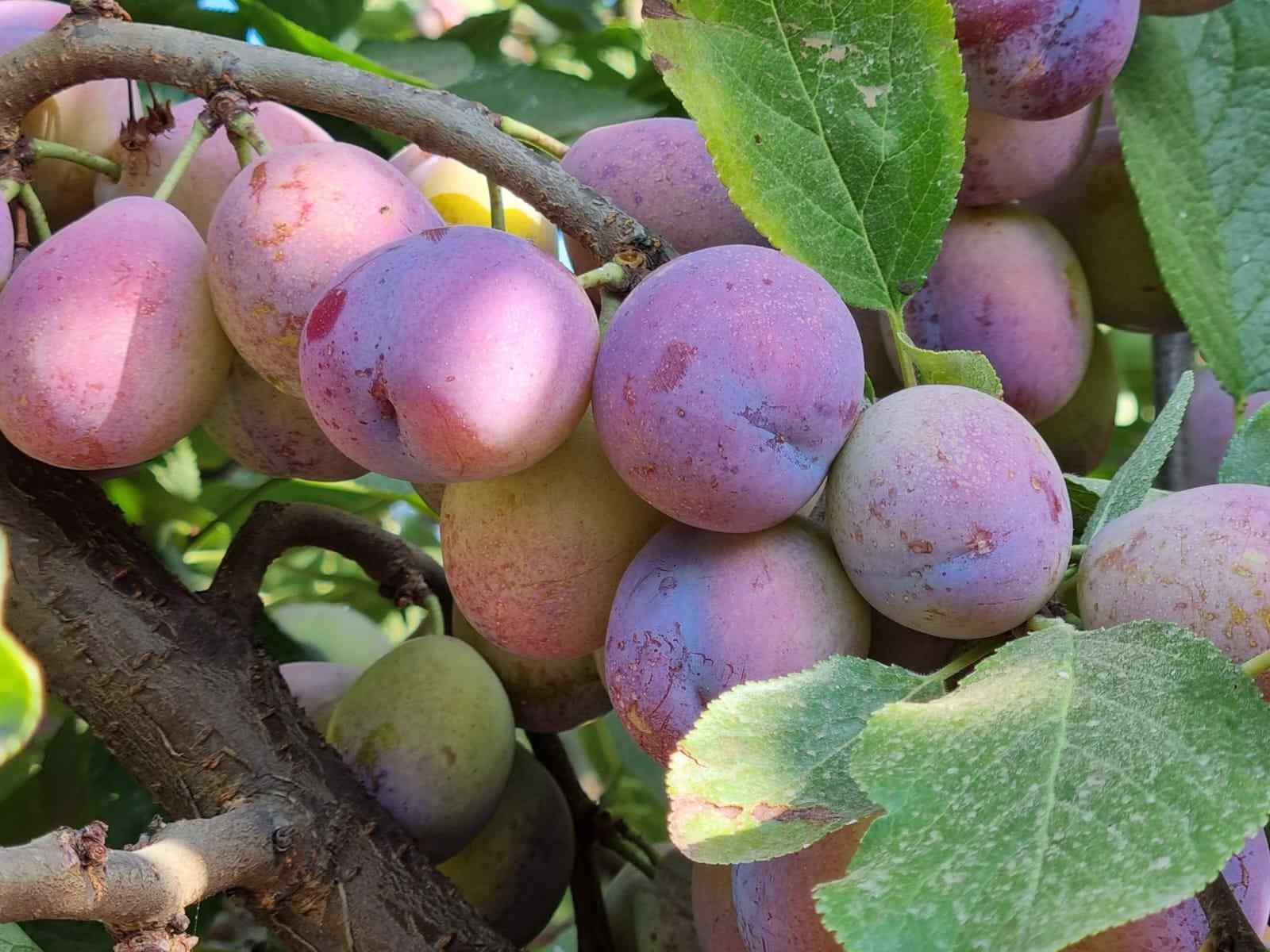
Photo courtesy of Chileprunes
The fresh fruit is harvested in February and March and the processing season runs from April to December, due to the low perishability of the product. The ratio between fresh and dehydrated product ranges from 3 to 4 kilograms of fresh fruit per kilogram of dehydrated plum, depending on whether the pit is included or not.
In Chile, plums have traditionally been dehydrated by leaving the fruit under the sun in drying fields. This practice yields good results due to the climatic conditions of the production regions. However, a significant amount of product is dried in dehydration tunnels —a faster and more controlled drying method that results in a more homogenous quality. Once the product is dehydrated, it is calibrated, selected and washed to start the “tenderization” process, a heat treatment that restores a certain level of humidity, making the product softer for consumption.[3],[4],[5]
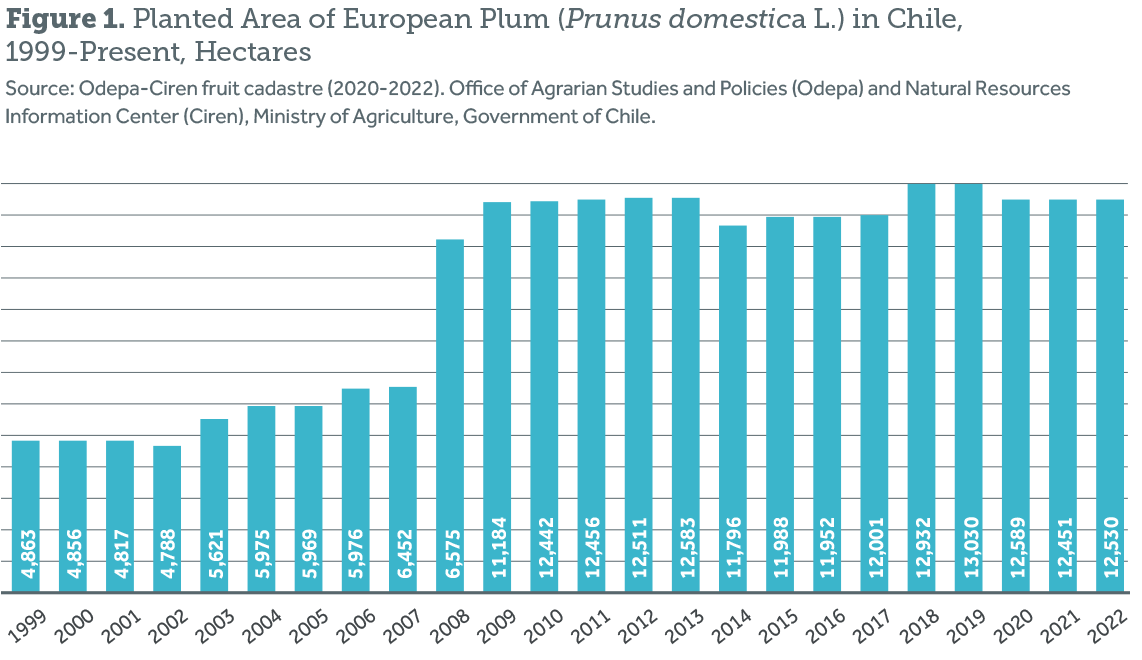
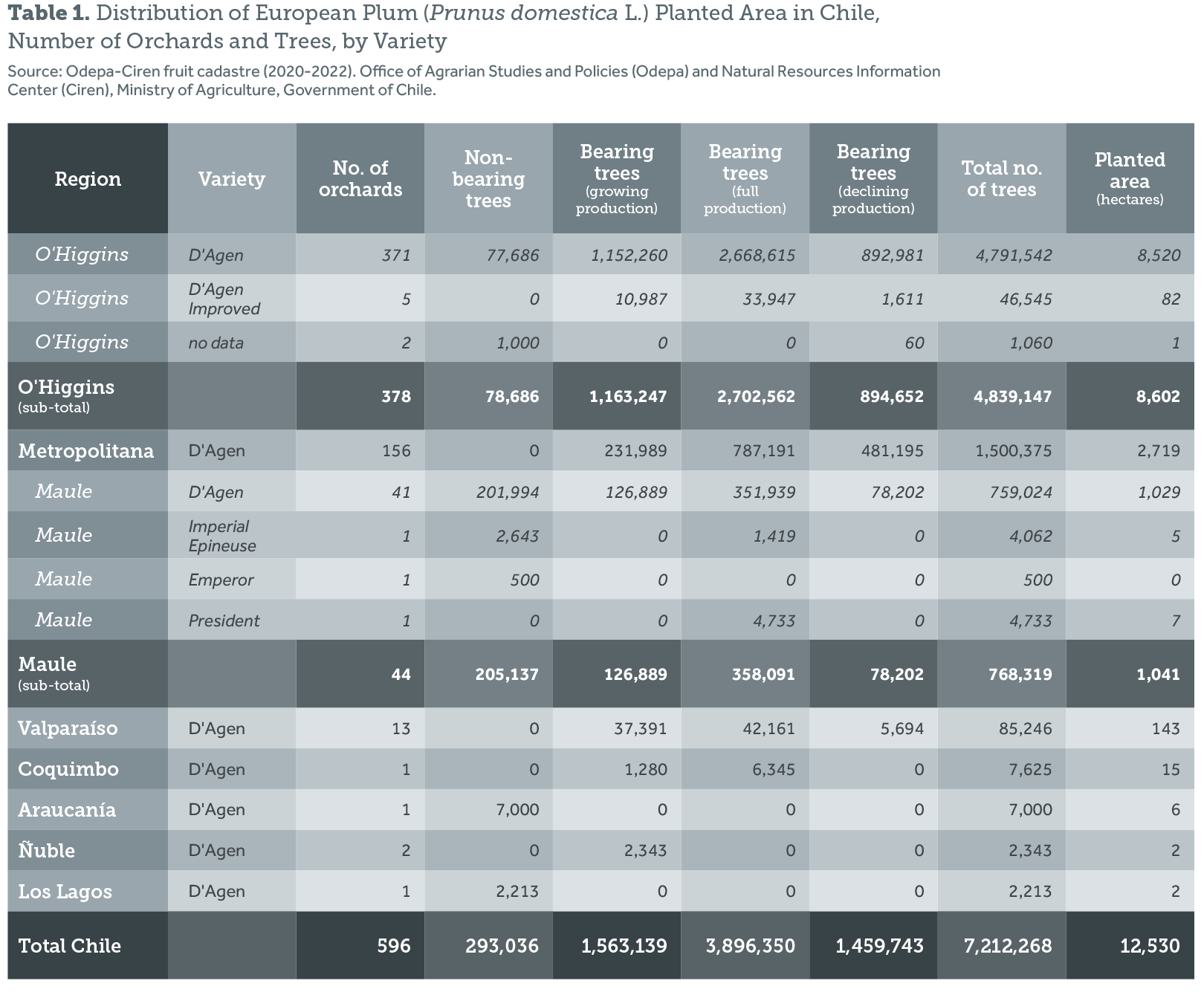
According to the Odepa-Ciren fruit cadastre, the area planted with European plums in Chile is 2.6 times larger today than at the beginning of the 21st century. The planted hectarage increased by 70% in 2009 compared with 2008 and seems to have stabilized ever since (Figure 1). The total planted area is currently 12,530 hectares, of which 69% is located in the O’Higgins region, followed by the Metropolitan region with a 22% share and Maule with 8%. Of the total planted area, 96% consists of bearing trees and 99% of the trees are of the D’Agen variety (Table 1 and Figure 2). Of a total of 593 orchards, 87% have a size ranging from 1 to 50 hectares and all of them are irrigated, with drip irrigation being the predominant system.
 As reported by Chileprunes, the Chilean association of processors and exporters of prunes, the total production of plums averages around 100,000 metric tons (MT) annually. Of this amount, about two thirds are used in the production of dehydrated plums, while around 20,000 MT go to the fresh Chinese market, following in the footsteps of the flourishing Chilean cherry industry in that market. The remaining 15,000 MT are used in concentrated juices and pulps, oils and other products. The juice and pulp demand is mainly concentrated in the United States, Canada, the United Kingdom and Australia.
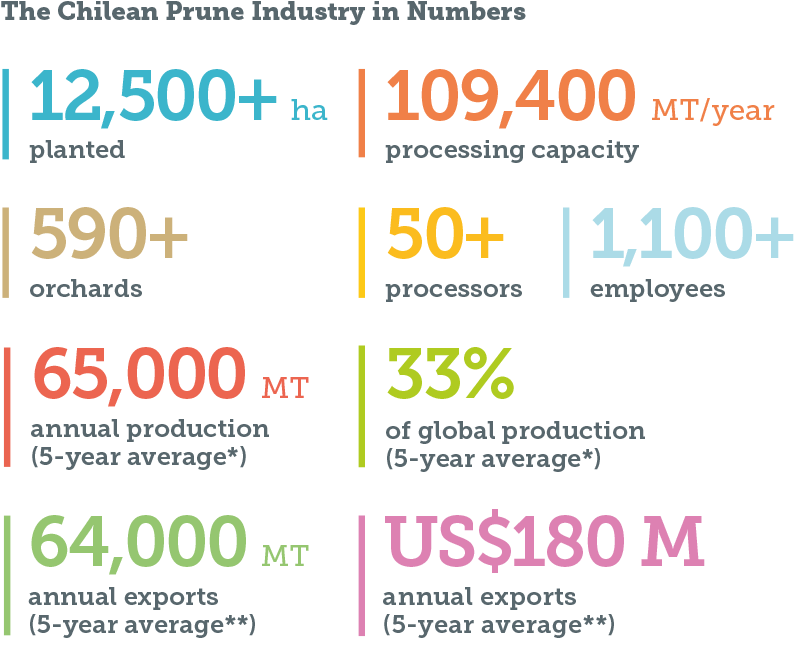
Chile is one of the world’s top prune producers. Chilean production over the last decade ranged from 57,000 to 70,000 MT. Output during the 2020/21 season was unusually low due to an extreme drought that affected the producing regions. Production in 2022/23 is estimated at 65,000 MT (Figure 3). “The O’Higgins region, which is where the largest European plum plantations are located, did not suffer weather problems, so it has had an impeccable harvest,” commented Pedro Pablo Díaz, President of Chileprunes. “Its fruits look good, with good sizes, volume and Brix content.”

As per the latest Odepa-Ciren reports, with a capacity of 109,456 MT/year, the processing industry employs 1,177 people in 51 companies. O’Higgins accounts for 51% of the processing capacity, followed by the Metropolitan region with 47% and Maule with the remaining 2%.
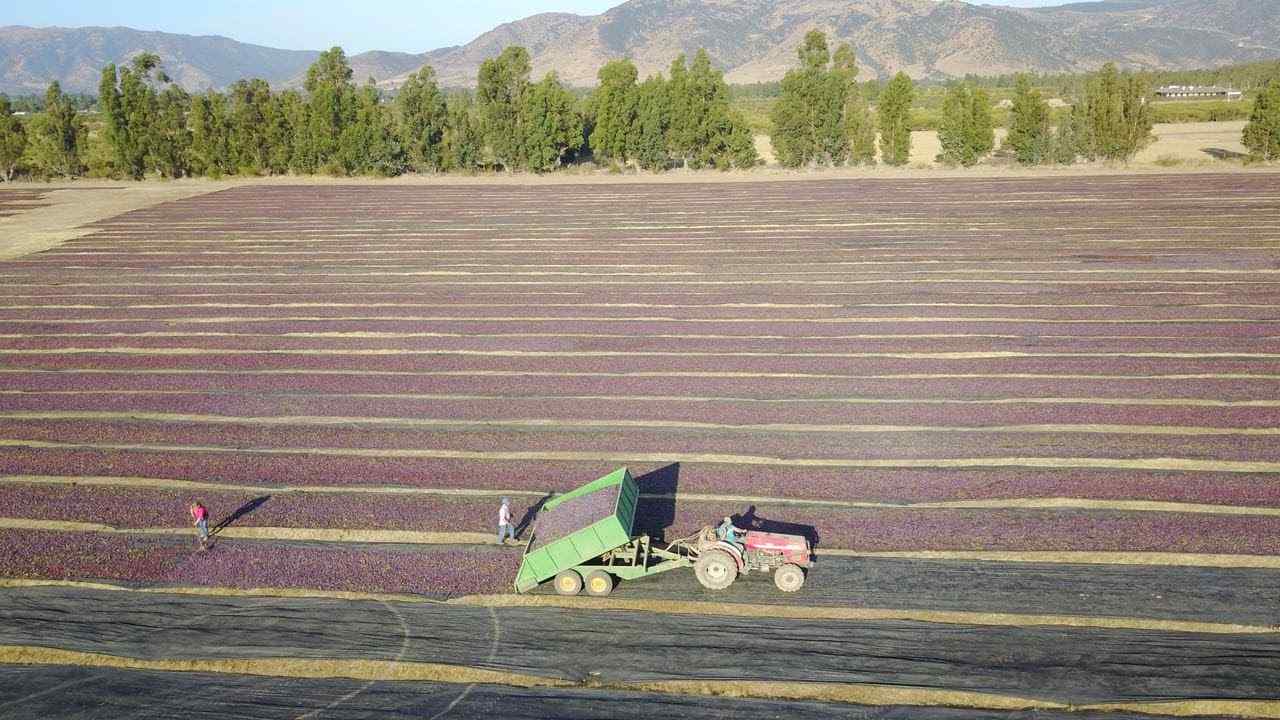
Prune drying field. Photo courtesy of Chileprunes.
Trade
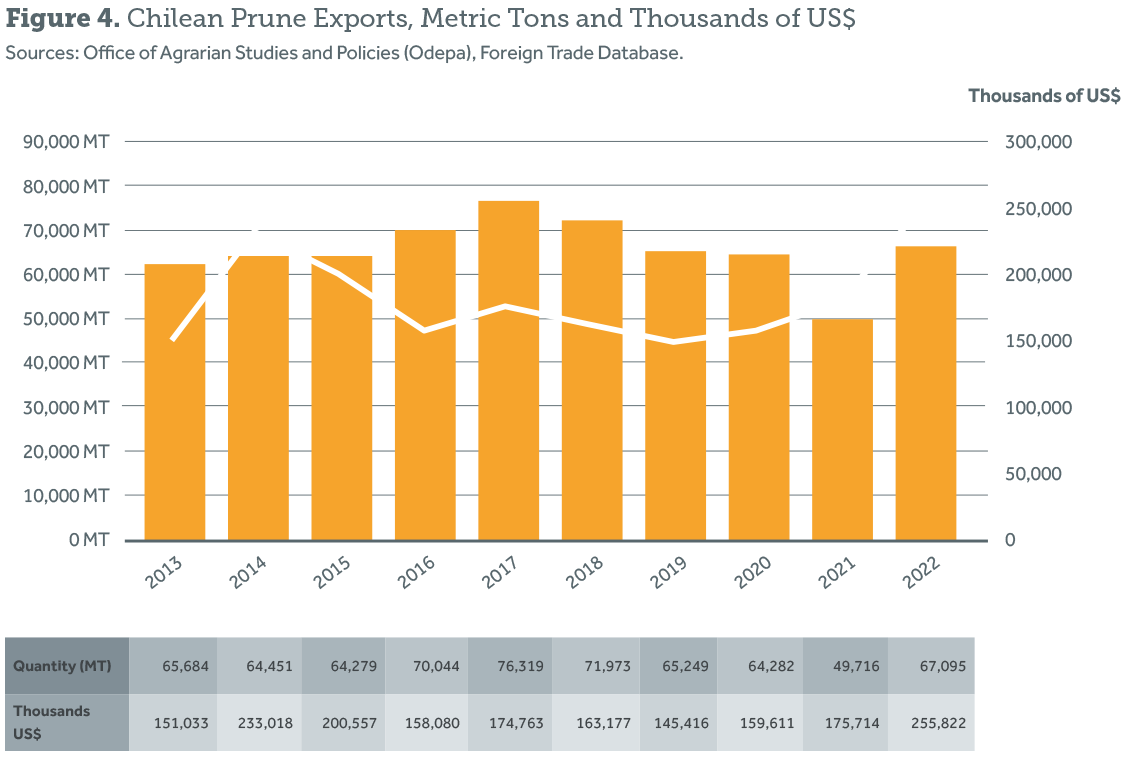
Accounting for a 33% share of trade globally,[6] Chile is the world’s top prune exporting country. Annual international shipments amount, on average, to 63,700 MT and US$180 million (5-year average, 2018-2022).[7] As highlighted by Chileprunes, the quality of Chilean prunes —with organoleptic characteristics providing a distinctive acidity and sweetness equilibrium, a very good size and flavor, and a highly versatile supply— makes Chile the main global exporter, delivering product to more than 80 countries.
Over the last decade, exports have remained fairly stable, ranging from 62,000 MT to 76,000 MT; with the exception of shipments in 2021, which were unusually low as a result of the extreme drought that significantly impacted the 2020/21 season inventory. In turn, the value of total exports ranged from a minimum of US$145 million to a high of $US256 million in 2022 (Figure 4).
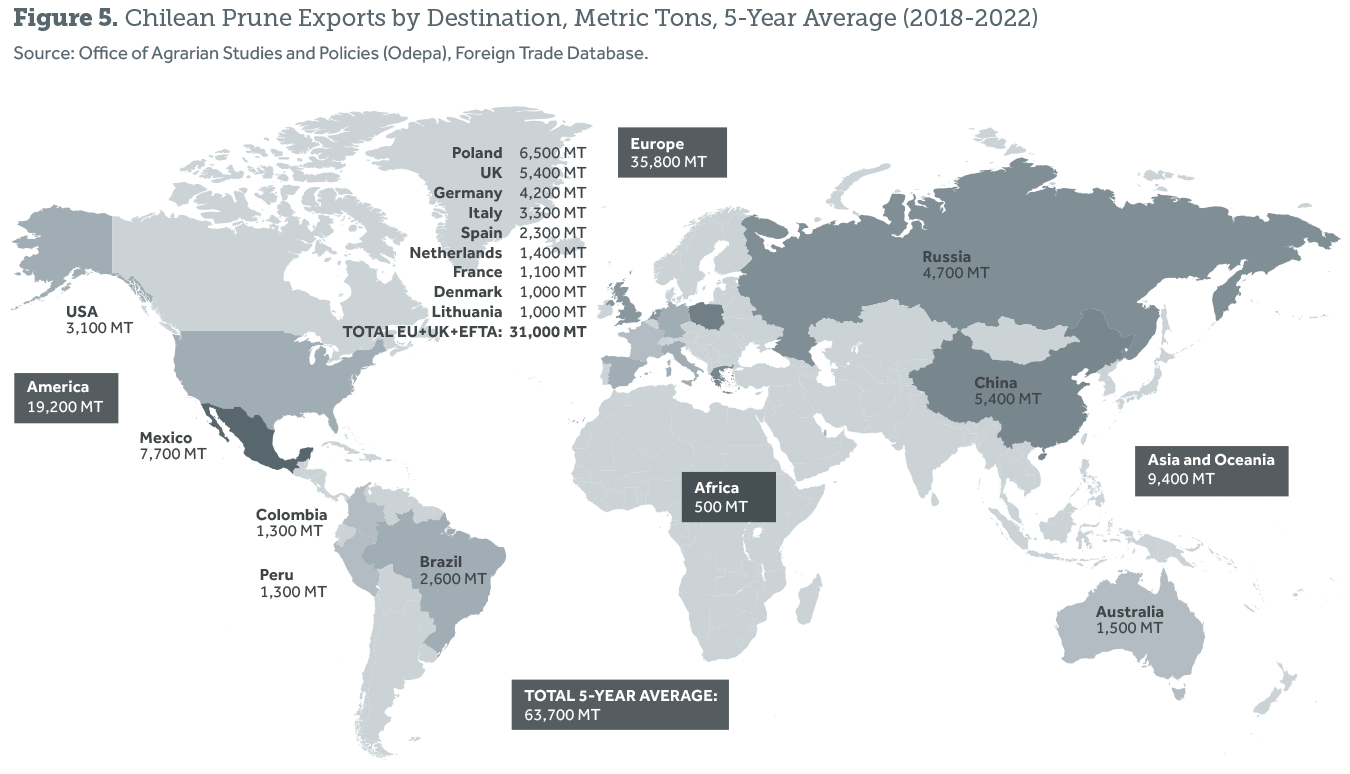
Considering the last five years of international shipments, the top markets were the European Union (plus the United Kingdom and the countries of the European Free Trade Association), which accounted for an average share of 49%, followed by Mexico (12%), China (9%), Russia (7%) and the United States (5%) (Figure 5).
The Chinese market for Chilean prunes saw spectacular growth in 2022. Last year, with a total of 11,800 MT imported, China ranked first as an importer for the first time, with volumes nine times higher than ten years ago and six times higher than in 2021. Similarly, the US and Australian markets reached 5,100 MT and 1,600 MT, up by 120% and 46% over 2021, respectively.
“Chile is experiencing turbulent times,” commented Pedro Pablo Díaz, President of Chileprunes. “In 2022, annual inflation reached 12.8%, the highest rate since 1991, and all signs suggest that it will tend to normalize in 2023. The exchange rate has fluctuated, causing uncertainty for the exporters. As for activities more typical of the industry, agrochemical prices have skyrocketed, and labor, though available, is scarce.”
“Another challenge for Chileprunes is to further strengthen the Food Export Council, an institution of which we are members,” added Díaz. “We believe in the fundamental role of this association in promoting Chile’s food exports —the country’s second most important sector after mining.” Founded in 2005, the members of Chileprunes today account for 70% of the country's prune exports.
References
[1] Frutos secos en Chile y Cuyo. Nogales, almendros y castaños (2009). Aranda, M, Yuri, J.A., Castro San Carlos, A., Solar, M., Soto, N., Quinteros, K., Gaete, J., Rivas, J., Chávez; C. Lacoste, P.A. (coord.). HIB: revista de historia iberoamericana, Vol. 2, N.º. 2, pp. 38-51.
[2] Los aportes del INIA en el desarrollo y auge del nogal chilena. Gamalier, L.S. (2018). Available at: https://biblioteca.inia.cl/handle/123456789/5440.
[3] Ciruelas frescas y deshidratadas. Farías-Pérez, C. (2004). Oficina de Estudios y Políticas Agrarias, Ministerio de Agricultura, Gobierno de Chile. Available at: https://www.odepa.gob.cl/publicaciones/articulos/ciruelas-frescas-y-deshidratadas-2.
[4] Ciruelas secas: proyecciones de sobrestock y precios a la baja. Tapia-Cruz B. and González-Zagal, C. (2012). Oficina de Estudios y Políticas Agrarias, Ministerio de Agricultura, Gobierno de Chile. Available at: https://www.odepa.gob.cl/wp-content/uploads/2012/07/6647_ArtCiruelasSecas072012.pdf.
[5] Guía de Producción del Ciruelo Europeo (2020). Publicación CIREN Nº 222. Centro de Información de Recursos Naturales, Ministerio de Agricultura, Gobierno de Chile.
[6] INC Database, 5-year average, 2017-2021.
[7] Office of Agrarian Studies and Policies (Odepa), Foreign Trade Database.
Prunes in the Market
The plum, in all its many versions, dried or fresh, in juice, pulp or oil, is the embodiment of gastronomic versatility. This timeless treat can be served from sweet to salty; as a snack; as an appetizer; as an ingredient in a roast or a sauce; in salads; with pork or fish; with chocolate; and in teas and infusions. These are just some of the many options offered by one of the most versatile foods on the planet.
In its dried form, this fruit is found in a wide range of consumer products. Here is a small sampling to illustrate the many uses of prunes.
Organic Prunes Without Additives (Chile)
Prunesco
Organic prunes in 100% recyclable retail packs. Prunesco sells them under their own brand as well as private labels.

Preservative-Free Frozen Prunes (Chile)
Pacific Nut
These tasty pitted prunes are soft, sweet and ready to eat —perfect for smoothies! Because they are frozen, no preservatives are necessary.

Prune Drink (Germany)
Rabenhorst
This full-bodied, fruity drink is made from top-quality sun-ripened plums that are gently dried using traditional methods without the use of sulfur. One 750 ml bottle contains the ingredients of around 1233 g of fresh plums in concentrated form.

Squash, Carrots, Apples + Prunes Puree (UK)
Ella’s Kitchen
Designed for babies aged 4 months and up, this on-the-go pouch contains pureed butternut squash, carrots, apples and prunes, plus a dash of lemon juice —with nothing else added, not even water.

Prune Nectar (Canada)
Black River
Made from high-quality concentrated prune juice sourced from South America, this thick, sweet nectar is a natural digestive aid. Some sediment is normal, it’s just the natural fiber in the fruit!

Fruit Market Series Soft Prunes (Japan)
Delta International Co., Ltd
Soft, plump and delicious, these pitted prunes contain no sugar and no preservatives.

A New Sustainability Standard for the Prunes Industry: A Design by Chileprunes
Pedro Acuña, Agronomist and MBA, Executive Director of Chileprunes
In 2022, the Association of Processors and Exporters of Prunes of Chile (Chileprunes) kicked off the development of a new sustainability standard for the prunes industry. Responding to new trends in international markets, this project involves the development and implementation of a standard that will be widely acknowledged by industry stakeholders. The goal is for a team of specialists and technicians to produce the aforementioned standard within a time frame of 28 months. In parallel, an audit and a training process will be held for companies throughout Chile.
Institutional Cooperation and Systematization
Among the most crucial factors in the success of this project is the creation of public-private collaboration networks. Another key factor is the participation of the Inter-American Institute for Cooperation on Agriculture (IICA), which has fostered a dynamic of systematized coordination. In particular, the Institute has enhanced cooperation between stakeholders by organizing assembly-style interactions with innovative and participatory work methodologies.
Several actions and arrangements are currently being made to get the project underway. None of them would be possible without the encouragement and support of the Foundation for Agrarian Innovation (FIA) under the Ministry of Agriculture of Chile. It also should be noted that both the Agency of Sustainability and Climate Change (ASCC), which depends on the Ministry of Economy, and the Office of Agrarian Studies and Policies (ODEPA) of the Ministry of Agriculture, have provided key support on the execution of this initiative. As official bodies, they have contributed with their experience and knowledge in the development of standards for other industries.
Stages of a Highly Participatory Design
The development of the standard by means of an interactive meeting method is expected to take 28 months. In addition to the main purpose of this process, we are also committed to cultivating a participatory dynamic each step of the way. Hence, the first stage of the project is a sectoral diagnosis, in which the industry’s companies will be identified and characterized, the various actors will be mapped and the main stakeholders will be identified.
After the diagnosis, we will conduct a comparative analysis of similar standards at the national and international levels to serve as a benchmark for the development of a list of good practices consistent with the local reality, which will subsequently be incorporated into the standard.
In order to identify the main technical gaps of the companies in the industry, an audit process will be conducted over a period of four months. These gaps will be addressed during the third stage of the project: a training process wherein technical material will be made available to all companies nationwide that wish to subscribe to the standard.
The project has now been underway for six months. In this time, we have begun the diagnosis of the sector and identified a total of 635 actors. In addition, we have defined the topics and dimensions that the standard will address, which cover the environmental, social, ethical, qualitative and management fields.
Each aspect included in the standard was validated and prioritized by the main stakeholders as a part of the process of benchmarking against national and international standards. Based on the analysis carried out thus far, we can safely affirm that this venture is the first of its kind for the prunes industry globally.
The core of these innovations is the goal of reaching all companies in the industry nationwide, since the material generated by the project will be made available as a public good to all actors involved in Chile’s agricultural field.
On completion of the validation and training process for companies, the standard will obtain the Chile Conscious Origin distinction. This certificate is expected to be validated internationally and be included in the Standards Map platform.
This project, which is dependent on the International Trade Center (ITC) and the United Nations, not only identifies, compares and supervises different sustainability standards at the international level, but also enables different actors to make informed decisions. Promoting and boosting the visibility of the standard worldwide will helps us gain a better understanding of the landscape with regard to sustainability initiatives and connect with like-minded business partners.

Photo courtesy of Chileprunes
Health Benefits of Prunes
Bone Health
Numerous studies have found links between consuming prunes and the prevention and reverse of bone loss, especially in postmenopausal women.[1],[2],[3],[4],[5] Recent research suggests that prune intake may have beneficial effects on bones in adult men, as well.
In a study published in Nutrients[6] in 2022, 35 men aged 55 to 80 years were split into three groups, consuming 100 g, 50 g and 0 g of prunes daily, respectively. The researchers found that those who consumed 100 g of prunes daily saw a significant decrease in serum osteocalcin. Those eating 50 g of prunes daily saw significant decreases in serum osteoprotegerin and serum osteocalcin, while they experienced an increase in the OPG:RANKL ratio, which is a determinant of bone mass and skeletal integrity. The researchers concluded that consuming either 100 g or 50 g of prunes regularly for three months may be beneficial to bone biomarkers in men.
Reduction of Cardiovascular Risk
Recent research suggests that prunes may improve cardiovascular risk factors in postmenopausal women.[1] In 2021, the Journal of Medicinal Food published a clinical trial with 48 postmenopausal women. Each participant was randomly assigned to one of three groups that consumed either 0 g, 50 g or 100 g of prunes per day. At the conclusion of the six-month intervention, it was found that the total cholesterol in those individuals consuming 100 g per day and the high-density lipoprotein (“good”) cholesterol in those consuming 50 g per day were significantly improved compared to those consuming no prunes.
Furthermore, improvements in the inflammatory biomarkers interleukin and tumor necrosis factor were observed in the 50 g/day group and this group also saw their antioxidant capacity increased.
Digestive Health
Prunes are also associated with digestive health, having been shown to help manage constipation and increase stool weight.[1] In 2012, the European Commission approved the health claim[2] that consuming 100 g a day of prunes contributes to normal bowel function.
| KEY FACTS |
| DIGESTIVE HEALTH
The EU approved health claim is that consuming 100 g of prunes per day contributes to normal bowel function. |
| HEALTHY BONES
Research has linked prunes to the prevention and reversal of bone loss, especially in postmenopausal women and adult men. |
| REDUCTION OF CARDIOVASCULAR RISK
Research suggests that prunes may improve cardiovascular risk factors in postmenopausal women. |
| HIGH IN:
Fiber, potassium, vitamin A and K |
Strawberry, Cashew and Prune Smoothie
Ingredients
- 40 g prunes (pitted)
- 100 ml almond drink
- 250 g strawberries (washed, stems removed)
- 30 g raw cashews
- 1 tbsp lemon juice
Preparation
- Add the ingredients to a blender jar
- Process until smooth
- Serve immediately

References
2. Hooshmand, S., et al. (2011). Comparative effects of dried plum and dried apple on bone in postmenopausal women. British Journal of Nutrition, 106(6), 923.
3. Franklin, M., et al. (2006). Dried plum prevents bone loss in a male osteoporosis model via IGF-I and the RANK pathway. Bone, 39(6), 1331-1342.
4. Rendina, E., et al. (2013). Dried plum’s unique capacity to reverse bone loss and alter bone metabolism in postmenopausal osteoporosis model. PloS One, 8(3), e60569.
5. Strock, N.C., et al. (2021). Dried plum consumption improves bone mineral density in osteopenic postmenopausal woman: A case report. Bone Reports, 14, 101094.
6. George, K. S., et al. (2022). The Short-Term Effect of Prunes in Improving Bone in Men. Nutrients, 14(2), 276.
7. Hong, M.Y., et al. (2021). Dried Plum Consumption Improves Total Cholesterol and Antioxidant Capacity and Reduces Inflammation in Healthy Postmenopausal Women. Journal of Medicinal Food, 24(11), 1161-1168.
8. Lever, E., et al. (2019). The effect of prunes on stool output, gut transit time and gastrointestinal microbiota: A randomised controlled trial. Clinical Nutrition, 38(1), 165-173.
9. Commission Regulation (EU) No 432/2012 of 16 May 2012.
German Act on Corporate Due Diligence Obligations in Supply Chains
By: Hannah Schon. Food Policy Advisor for Sustainability, Waren-Verein Der Hamburger Börse e.V.
The German Wholesale and Foreign Trade Association (Waren-Verein der Hamburger Börse e.V.) represents the interests of importers of dried fruit, spices and nuts; canned fruits, vegetables and fish; frozen fruits, vegetables and fish products; and organic products. The office also supervises the German Honey Association, the Honig-Verband e.V. and its European umbrella organization, F.E.E.D.M., as well as the German Seafood Association, Deutscher Seafood Verband e.V.
Respecting human rights due diligence obligations has always been the basis of business relationships for German importers in the nut and dried fruit industry, especially as many supplier relationships from countries of origin have existed for decades and have grown steadily. But the implementation of Germany’s new Act on Corporate Due Diligence Obligations in Supply Chains can be challenging, especially for small and medium-sized enterprises (SMEs) due to indirect impact. The Waren-Verein has followed the legislative process for the past two years and knows about the challenges of implementation throughout the food chain.
The Act on Corporate Due Diligence Obligations in Supply Chains —in German, Lieferkettensorgfaltspflichtengesetz, or LkSG— is based on the due diligence standard of the United Nations Guiding Principles, on which the German National Action Plan for Business and Human Rights is based.
The LkSG has applied from January 1, 2023 for companies in Germany with at least 3,000 employees. From January 1, 2024, companies in Germany with at least 1,000 employees will be affected. The due diligence obligations apply to the company’s own operations and to direct suppliers. The Federal Office for Economic Affairs and Export Control (BAFA) implements the act and monitors whether companies meet their due diligence obligations.
However, it was clear from the beginning that the requirements would be passed on to further suppliers that do not fall within the scope (e.g., from large supermarkets to importers). Accordingly, many SME importers have stepped forward to establish sustainable structures as well.
Requirements
- Establishment of a risk management system
- Appointing a responsible person or people within the company
- Carrying out regular risk analyses and issuing a policy statement (code of conduct)
- Establish preventive measures
- Take corrective action and establish a complaints management procedure
- Documentation and reporting (annual reporting to BAFA)
Challenges in the Implementation
We see that companies are adapting very well to the growing demands of sustainability management. Many companies are hiring sustainability managers and embedding responsibility for sustainability issues directly in the management. Sustainability, in particular human rights due diligence, is at the top of the corporate agenda.
But at the same time, it is obvious that the implementation of the new sustainability responsibility can also be challenging and expensive. SMEs, in particular, not infrequently find themselves in a difficult situation: They have to meet the various requirements, sometimes passed on to them by their customers, while at the same time ensuring that producers are sufficiently informed about the law and that the requirements are met.
Complete monitoring and documentation of all supply chains is, for one company alone, very difficult. This is especially true for companies that trade many different nut and dried fruit products in their portfolio. Special software for traceability and risk management as well as certifications provide a remedy. However, these are sometimes large investments that SMEs must first be able to stem, especially as different customers can expect different certifications.
Russia’s war of aggression against Ukraine and the resulting high inflation are driving up production costs and creating pressure in supply chains. Rarely has there been a more challenging time to implement all the sustainability requirements at once, on top of all the multiple crises companies face.
The government has recognized this and given directly affected companies an extended deadline of 2024 to submit an annual sustainability report. This does not mean that requirements are lowered between trading partners in Germany.
The law in general speaks of appropriate risk management. Certainly, not all supply chains need to be monitored equally closely. However, the act refrains from defining adequacy and leaves all parties involved in implementation further in the dark.
Role of the Waren-Verein
Over the last two years, the Waren-Verein has tried to offer the best possible support in approaching the aforementioned challenges. Members of the Waren-Verein have been actively involved in the legislative process from the outset. In our Waren-Verein Sustainability Working Group, members closely followed the German government’s legislative process and critically discussed it with guests from politics, retailers and sustainability consulting agencies. The Waren-Verein facilitates networking and collaboration between companies, allowing them to share information and best practices.
For example, the Waren-Verein and several partners have coached members in the preparation of risk analyses. Members were invited to use a template provided by the Waren-Verein to adopt a code of conduct of their own.
Furthermore, the Waren-Verein has supported some of its members in planning comprehensive training courses for suppliers from countries of origin. We believe it is now up to associations to inform and support suppliers about the new requirements and support them as best as we can. After all, it is often the SMEs that have built their long-term success on decades of fair, trusting and equal relationships with their suppliers.
This year, the Waren-Verein is therefore offering training for suppliers on human rights due diligence in supply chains. In addition, we will discuss further industry solutions, e.g., implementing a complaint mechanism for the German nut and dried fruit industry. We are expecting that such solutions will be developed for many industries in the near future.
A Look into the Future
With a view to our European neighbors France, the Netherlands and Sweden, the German law is not the only one in Europe. With the latest push from Brussels in February 2022 with the Corporate Sustainability Due Diligence Directive (CSDDD), most national acts might be rolled over by the EU directive in a few years’ time. With EU legislation, the requirements could be interpreted even more strictly: for example, civil liability for violations is being discussed. And the scope of application seems to be tightened. We are curious to see how the trilogue negotiations will go. In any case, the Waren-Verein will continue to closely follow this process in the interest of its members.